
Understanding Insulin and Diabetes: A Guide to Managing Blood Sugar Levels

Insulin is a hormone produced by the pancreas that regulates blood sugar levels in the body. When blood sugar is high, insulin helps to lower it by facilitating the uptake of glucose by cells.

What is Type 1 Diabetes?

Type 1 diabetes is an autoimmune disease where the immune system attacks and destroys beta cells in the pancreas that produce insulin. This results in a deficiency of insulin production, requiring daily insulin injections to control blood sugar levels.

The introduction of insulin shots as a treatment in the early 20th century revolutionized the management of type 1 diabetes and improved the outlook for people with this disease.

What is Type 2 Diabetes?

Type 2 diabetes is a progressive disease where the pancreas can still produce insulin, but it becomes less effective in releasing insulin. This leads to insulin resistance, making it harder for cells to use glucose for energy.

Weight gain and obesity are significant risk factors for developing type 2 diabetes, which can lead to complications such as kidney damage and vision impairment if left untreated.

Managing Blood Sugar Levels

Taking insulin injections is a crucial part of managing blood sugar levels in people with diabetes. Regular monitoring of blood glucose levels using a glucometer is also essential to ensure that treatment is effective and prevent complications.

A healthy diet, regular physical activity, and maintaining a healthy weight can help manage blood sugar levels and reduce the risk of developing type 2 diabetes.

Early Signs and Symptoms of Diabetes

Symptoms of diabetes can be mild and may not always be noticeable. Early signs and symptoms include increased thirst, frequent urination, blurred vision, and fatigue.

It is essential to recognize the early signs and symptoms of diabetes and seek medical attention promptly if you experience any of these symptoms.

The Importance of HbA1c

Hemoglobin A1c (HbA1c) is a blood test that measures average blood glucose levels over the past 2-3 months. It provides valuable information on how well diabetes is being managed and helps to guide treatment decisions.

Normal ranges for HbA1c vary depending on the individual’s specific needs, but generally range from 4-6%.

Managing Excessive Thirst

Excessive thirst is a common symptom of diabetes and can be caused by dehydration or an underlying medical condition. Drinking plenty of water and avoiding sugary drinks can help manage excessive thirst.

Consulting with your healthcare provider can help determine the underlying cause of excessive thirst and guide treatment options.

Diabetes Treatment Options

There are several treatment options available for diabetes, including insulin injections, oral medications, lifestyle modifications, and alternative therapies.

A healthcare professional can help determine the best course of treatment based on individual needs and medical history.

Tips for Managing Blood Sugar Levels

Here are some tips to help manage blood sugar levels:

  • Monitor your blood glucose levels regularly using a glucometer.
  • Eat a balanced diet that includes plenty of fruits, vegetables, and whole grains.
  • Avoid sugary drinks and limit your intake of processed foods.
  • Engage in regular physical activity, such as walking or exercise.

By following these tips and working closely with your healthcare provider, you can effectively manage blood sugar levels and reduce the risk of developing complications from diabetes.

Get Tested for Diabetes

If you are at risk for developing type 2 diabetes or experience symptoms of diabetes, get tested. Regular testing can help identify early signs and symptoms and prevent complications.

Call us now at [phone number] to schedule an appointment with one of our healthcare professionals.
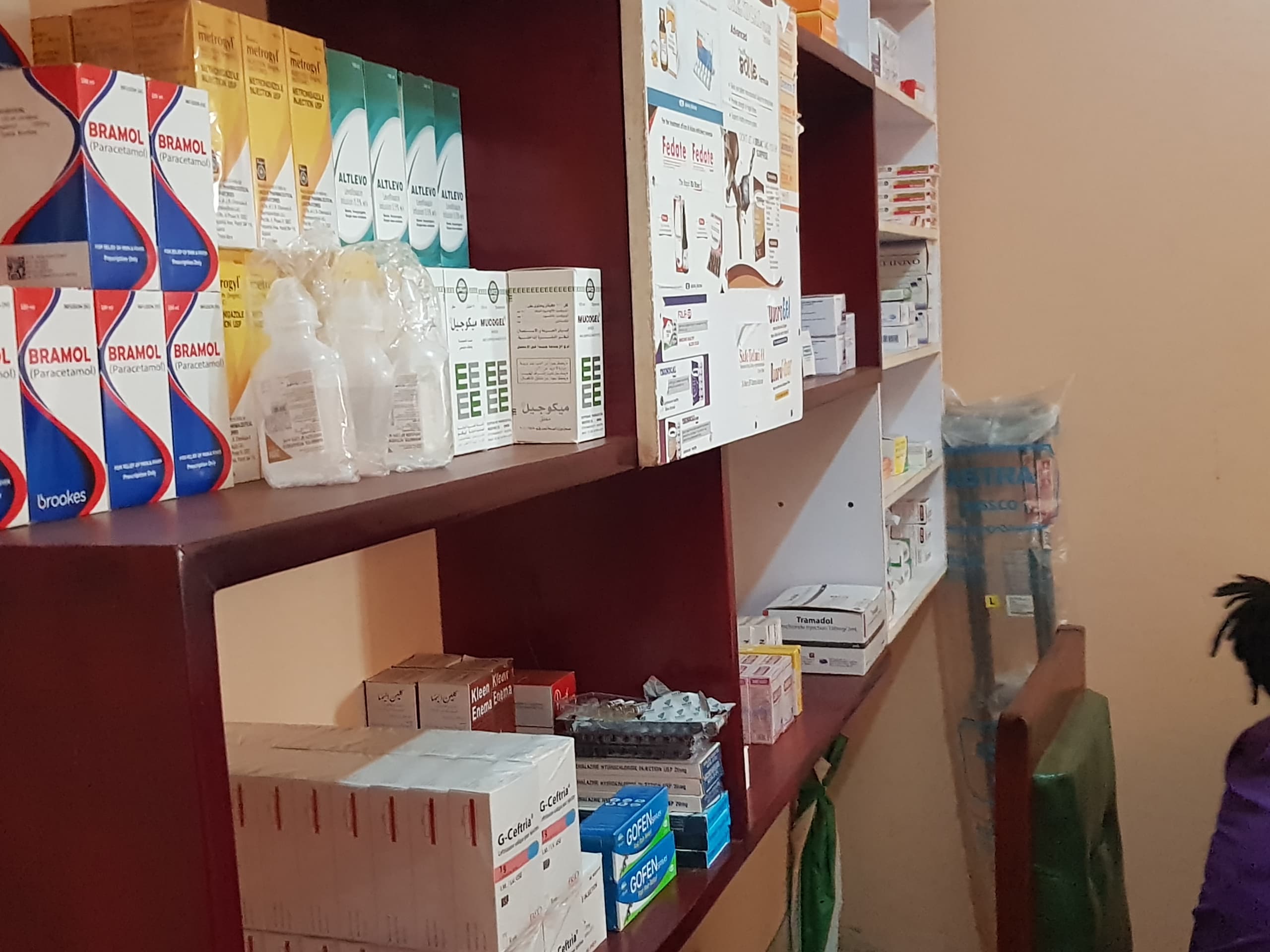
Visit Michoes Today

  • Get immediate help and diagnosis
  • Timely Prescriptions
  • Expert surgical and orthopedic care

Comments

Leave a Reply

Your email address will not be published. Required fields are marked *

  • Protect Your Heart and Prevent Heart Failure

    Protect Your Heart and Prevent Heart Failure

    Heart failure is a condition where the heart doesn’t pump blood as well as it should. It’s a leading cause of death and disability worldwide, but with proper treatment and lifestyle changes, you can reduce your risk and manage symptoms. Heart failure can be caused by a variety of factors, including high blood pressure, diabetes,…

  • Biofeedback Therapy: Take Control of Your Health

    Biofeedback Therapy: Take Control of Your Health

    Biofeedback therapy is a technique that helps you gain control over involuntary functions, such as heart rate and blood pressure. By becoming aware of your body’s responses to stress and anxiety, you can learn how to relax and manage symptoms. At Michoes Medical Centre, our experienced therapists can guide you through biofeedback sessions to help…

  • Find Relief from Chronic Stress and Anxiety with Our Expert Guidance

    Find Relief from Chronic Stress and Anxiety with Our Expert Guidance

    Chronic stress and anxiety can have a significant impact on your daily life, relationships, and overall wellbeing. However, there are many effective strategies and techniques that can help you manage stress and anxiety, improve your mood, and enhance your quality of life. Stress management is a variety of strategies and techniques that can help you…

  • Tension Headache Relief: Natural Remedies and Lifestyle Changes

    Tension Headache Relief: Natural Remedies and Lifestyle Changes

    Tension headaches are the most common type of headache for adults, affecting millions of people worldwide. They can feel like dull, squeezing pain around your head, neck, or face. In this article, we will discuss the causes, symptoms, treatment options, and natural remedies for tension headaches. Tension headaches are often caused by stress, poor posture,…

  • Michoes Medical Centre: Your Partner in Health for Eastern Uganda

    Michoes Medical Centre: Your Partner in Health for Eastern Uganda

    Welcome to Michoes Medical Centre, your trusted healthcare partner in Kanyum, Kumi District. Our 24/7 medical centre is dedicated to providing you with compassionate and expert care, tailored to the unique needs of our community. We Understand Your Health Needs At Michoes Medical Centre, we believe that everyone deserves access to quality healthcare, regardless of…

  • Understanding Throbbing Headaches

    Understanding Throbbing Headaches

    A throbbing headache is a type of headache that pulsates or throbs, often described as a dull ache or a sharp pain. It can be caused by various factors, including stress, dehydration, certain foods, and underlying medical conditions. There are many types of headaches, each with its unique causes and symptoms. Some common types of…

  • Understanding Headaches: What to Know About Pain on the Top of Your Head

    Understanding Headaches: What to Know About Pain on the Top of Your Head

    Do you experience pain on the top of your head? It could be a tension headache, migraine, hypnic headache, or cluster headache. In this guide, we’ll explore the causes, symptoms, and treatment options for each type of headache, as well as provide some helpful tips to alleviate symptoms. Causes and Symptoms A headache on the…

  • Peripheral Artery Disease (PAD) Symptoms and Treatment

    Peripheral Artery Disease (PAD) Symptoms and Treatment

    Peripheral artery disease (PAD) is a condition where the arteries that supply blood to the legs become narrowed, leading to reduced blood flow. This can cause pain, numbness, or weakness in the legs, especially when walking or exercising. The symptoms of PAD can vary from person to person, but common ones include: Pain in the…

  • Michoes Medical Centre: Your Partner in Health and Wellness

    Michoes Medical Centre: Your Partner in Health and Wellness

    Welcome to Michoes Medical Centre, your trusted healthcare partner in Kanyum, Kumi. We are dedicated to providing high-quality medical services that cater to the unique needs of our patients. About 60% of your body weight is made of water, and it plays a vital role in maintaining your overall health. Dehydration can cause dizziness, confusion,…

  • Compression Therapy for Swelling and Leg Pain

    Compression Therapy for Swelling and Leg Pain

    Compression therapy is a non-invasive treatment that uses gentle pressure to improve blood flow and reduce swelling in the legs. It is commonly used to treat conditions such as lymphedema, chronic vein problems, and varicose veins. Compression therapy can be achieved through various means, including wearing compression stockings, sleeves, or bandages. These garments are designed…