Peripheral artery disease (PAD) is a condition where the arteries that supply blood to the legs become narrowed, leading to reduced blood flow. This can cause pain, numbness, or weakness in the legs, especially when walking or exercising.
The symptoms of PAD can vary from person to person, but common ones include:
Pain in the Legs
Pain in the legs is a common symptom of PAD. The pain can range from mild to severe and may be accompanied by numbness, tingling, or weakness in the legs.
Numbness or Tingling in the Legs
Numbness or tingling in the legs can occur due to reduced blood flow to the nerves in the area. This can cause a burning or prickly sensation in the legs.
Weakness in the Legs
Weakness in the legs can be a symptom of PAD, especially if the condition is severe. The weakness may be temporary or permanent and can make it difficult to walk or perform daily activities.
Swollen or Painful Feet and Ankles
Swollen or painful feet and ankles can occur due to reduced blood flow to the affected areas. This can cause discomfort, pain, and swelling in the feet and ankles.
Cramping in the Legs
Cramping in the legs is a common symptom of PAD. The cramps can be severe and may occur suddenly or gradually over time.
Varicose Veins or Spider Veins
Varicose veins or spider veins can occur due to increased blood pressure in the affected areas. This can cause discomfort, pain, and swelling in the legs.
DVT (Deep Vein Thrombosis)
DVT is a serious condition that occurs when a blood clot forms in a vein deep in the body. PAD increases the risk of developing DVT, which can be life-threatening if not treated promptly.
Stress Fractures
Stress fractures are small cracks in the bones that can occur due to overuse or repetitive strain on the affected area. PAD increases the risk of stress fractures, especially in the legs and feet.
The treatment for PAD depends on the severity of the condition and may include:
Medications
Medications such as aspirin, ibuprofen, or blood thinners can help reduce inflammation and prevent clots from forming.
Surgery
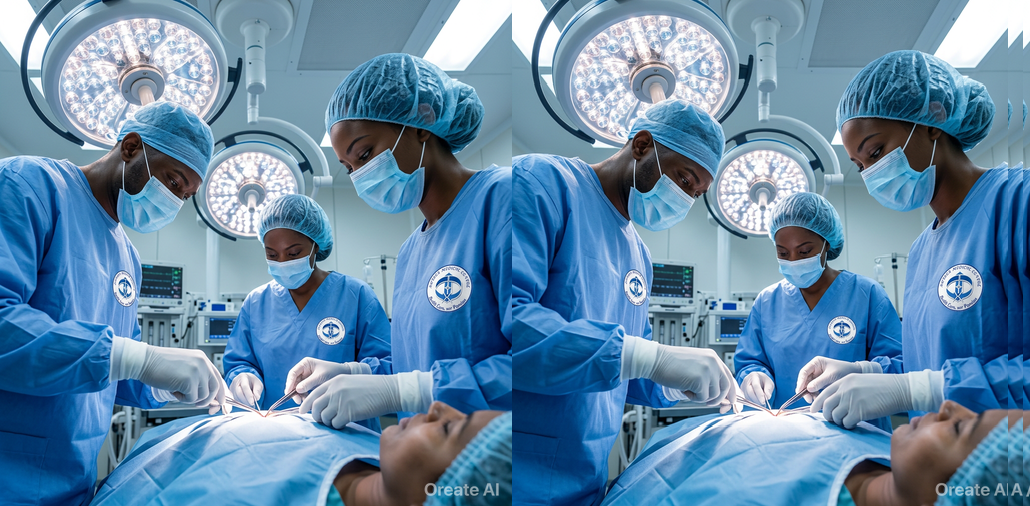
Surgery may be necessary to treat severe PAD. This can include angioplasty, stenting, or bypass surgery.
Lifestyle Changes
Lifestyle changes such as quitting smoking, exercising regularly, and maintaining a healthy weight can help manage PAD symptoms and prevent complications.
Don’t ignore the pain in your legs. If you’re experiencing any of these symptoms, seek medical attention immediately. Contact [phone number] at [location] to schedule an appointment with our healthcare professionals.
Contact Us Today:
Call us now or visit our website for more information on PAD treatment and management.
Leave a Reply