
Understanding Headaches: What to Know About Pain on the Top of Your Head

Do you experience pain on the top of your head? It could be a tension headache, migraine, hypnic headache, or cluster headache. In this guide, we’ll explore the causes, symptoms, and treatment options for each type of headache, as well as provide some helpful tips to alleviate symptoms.

Causes and Symptoms

A headache on the top of your head can be caused by a variety of factors, including stress, dehydration, and certain medical conditions. Migraines, for example, often involve pain on one side of the head, while cluster headaches are typically felt on one side as well.

Tension Headaches

Tension headaches are the most common type of headache, accounting for up to 75% of all headaches. They’re often described as a dull ache or pressure sensation in the head, neck, and scalp. Stress and tension are common triggers for tension headaches.

Migraines

Migraines are a type of headache disorder that can cause intense pain, usually on one side of the head. Other symptoms may include sensitivity to light and sound, nausea, and vomiting. Migraines can be triggered by a variety of factors, including hormonal changes, stress, and certain foods.

Hypnic Headaches

Hypnic headaches are a type of headache that occurs when you’re falling asleep or waking up. They’re often described as a sharp pain on one side of the head. Hypnic headaches are usually not caused by any underlying medical condition.

Cluster Headaches

Cluster headaches are a type of headache that occurs in clusters or cycles. They’re typically felt on one side of the head and can be accompanied by redness, tearing, and swelling around the eye. Cluster headaches are often caused by stress, hormonal changes, or certain medications.

Dehydration Headaches

Dehydration headaches occur when your body is not getting enough water. They’re often described as a dull ache or pressure sensation in the head and neck. Dehydration headaches can be treated by drinking plenty of water and avoiding caffeine.

Ocular Migraines

Ocular migraines are a type of migraine that can cause temporary vision loss. They’re often accompanied by pain on one side of the head, sensitivity to light and sound, and nausea.

Temple Pain

Temple pain is linked with stress or headaches. It’s often described as a sharp pain in the temple area, which is located just in front of the ear.

Treatment Options

The treatment options for headaches will vary depending on the underlying cause. Some common treatments include over-the-counter pain relievers, prescription medications, and lifestyle changes such as stress management and dietary modifications.

What to Do If You’re Experiencing a Headache

If you’re experiencing a headache, it’s essential to seek medical attention if the pain is severe, sudden, or persistent. In the meantime, try to relax, stay hydrated, and avoid activities that can exacerbate the condition.

Get Relief from Headaches

If you’re tired of dealing with headaches but don’t know where to start, contact us at 01234 567890 or visit our website for more information. Our team is here to help you find relief and get back to living your best life.
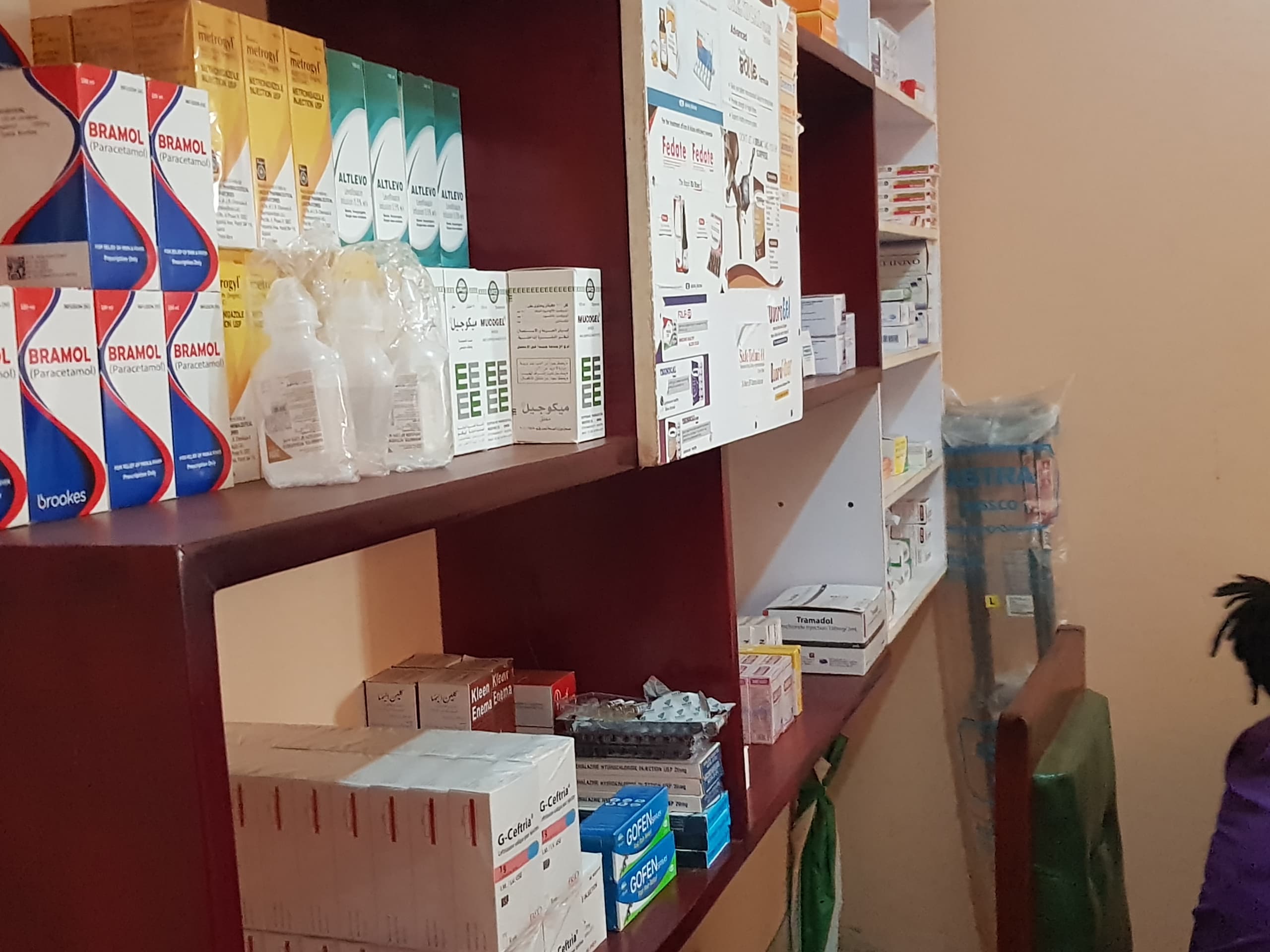
Visit Michoes Today

  • Get immediate help and diagnosis
  • Timely Prescriptions
  • Expert surgical and orthopedic care

Comments

Leave a Reply

Your email address will not be published. Required fields are marked *

  • Sickle Cell Disease: Causes, Symptoms, Treatment, and Prevention

    Sickle Cell Disease: Causes, Symptoms, Treatment, and Prevention

    Sickle cell disease is a genetic disorder that affects the shape of hemoglobin in red blood cells, leading to a range of complications. It’s caused by a mutation in the HBB gene, which codes for the beta-globin subunit of hemoglobin. This mutation causes the production of abnormal hemoglobin, resulting in misshapen red blood cells that…

  • Lower Leg Pain: Causes, Symptoms, and Treatment Options at Michoes Medical Centre

    Lower Leg Pain: Causes, Symptoms, and Treatment Options at Michoes Medical Centre

    Discover the causes of lower leg pain, including conditions ranging from torn tendons to diabetic neuropathy. At Michoes Medical Centre, our team of experts is here to help you understand your symptoms and provide effective treatment options. Lower leg pain can be caused by a variety of factors, including: Deep Vein Thrombosis (DVT): A blood…

  • Relief for Lower Leg Pain: Treatment and Prevention at Michoes Medical Centre

    Relief for Lower Leg Pain: Treatment and Prevention at Michoes Medical Centre

    Muscle cramp. It can strike in your sleep or in the middle of the day. This sudden, tight, intense lower leg pain is sometimes called a “charley horse.” When it takes a grip, it can get worse quickly. It happens when your muscles are tired or dehydrated. Drink more water or fluids with electrolytes if…

  • Understanding and Managing Deep Vein Thrombosis (DVT)

    Understanding and Managing Deep Vein Thrombosis (DVT)

    Deep Vein Thrombosis (DVT) is a serious medical condition that occurs when a blood clot forms in a deep vein, typically in the legs. It can be life-threatening if left untreated or if the clot breaks loose and travels to the lungs, causing a pulmonary embolism. Causes and Risk Factors DVT can be caused by…

  • # Blood Clots: Warning Signs, Risks, and Prevention

    # Blood Clots: Warning Signs, Risks, and Prevention

    Blood clots are a collection of blood cells and other material that forms to stop bleeding if you have a cut or are injured. Sometimes, blood clots don’t break apart after they’ve done their job. This can cause lots of problems in different parts of your body. People who recently had surgery, are not physically…

  • # Understanding Paroxysmal Atrial Fibrillation

    # Understanding Paroxysmal Atrial Fibrillation

    Paroxysmal atrial fibrillation (AFib) is a type of irregular heartbeat that can cause symptoms such as palpitations, dizziness, and shortness of breath. It’s essential to seek medical attention if you experience any of these symptoms. AFib episodes are often triggered by stress, anxiety, or certain medications. Some people may also have underlying health conditions that…

  • Knee Pain: Causes, Symptoms, and Treatment Options

    Knee Pain: Causes, Symptoms, and Treatment Options

    Knee pain is a common condition that can affect anyone, regardless of age or activity level. It can be caused by a variety of factors, including injuries, overuse, or underlying medical conditions. There are several types of knee pain, including osteoarthritis, patellofemoral pain syndrome, and meniscus tears. Osteoarthritis is the most common type of knee…

  • Michoes Medical Centre: Your 24/7 Partner in Healthcare for Kanyamulijjili, Uganda

    Michoes Medical Centre: Your 24/7 Partner in Healthcare for Kanyamulijjili, Uganda

    Michoes Medical Centre is your trusted healthcare partner for all medical needs in Kanyamulijjili and surrounding areas. Our state-of-the-art facility is equipped with the latest technology to provide you with quality medical care, 24 hours a day, 7 days a week. Services We Offer We offer a wide range of services, including: Orthopedic Services General…

  • Michoes Medical Centre: Your 24/7 Healthcare Partner in Eastern Uganda

    Michoes Medical Centre: Your 24/7 Healthcare Partner in Eastern Uganda

    Hello, we’re Michoes Medical Centre. Located in Kanyum, Kumi District, we provide comprehensive healthcare services that are close, kind, and competent. Our doors are always open, ready to welcome you for 24/7 medical care. We understand the unique health challenges faced by communities in Eastern Uganda, particularly in Kumi, Soroti, Bukedea, Ngora, and Katakwi districts.…

  • Michoes Medical Centre: Expert Care for Acid Reflux and GERD

    Michoes Medical Centre: Expert Care for Acid Reflux and GERD

    When stomach acid flows the wrong way — back into the tube that connects your throat to your stomach (your esophagus) — that’s called acid reflux. If it happens often and doesn’t get better, it’s called gastroesophageal reflux disease (GERD). Symptoms include chest pain, a cough, and trouble swallowing, especially when you lie down. Sometimes…