Relief for Lower Leg Pain: Treatment and Prevention at Michoes Medical Centre

Muscle cramp. It can strike in your sleep or in the middle of the day. This sudden, tight, intense lower leg pain is sometimes called a “charley horse.” When it takes a grip, it can get worse quickly.

It happens when your muscles are tired or dehydrated. Drink more water or fluids with electrolytes if you’re prone to leg cramps. It might help to gently stretch or massage the area where your muscle has tensed up. Stretch your legs properly before you exercise, too.

Shin splints. You can feel this pain right up the front of your calf. The muscles and flesh along the edge of the shin bone become inflamed, so it hurts to walk, run, or jump. Doing activity over and over on hard surfaces can bring this on.

You may also be more likely to get shin splints if you have flat feet or your feet turn outward. Rest your legs to feel better. Ice helps. So can anti-inflammatory meds such as aspirin, ibuprofen, and naproxen, if your doctor says these are safe for you.

Tendinitis. One of the first warning signs you have an inflamed Achilles tendon is pain in your lower calf, near the back of your heel. It’s a common injury that makes the tendon swell, stretch, or tear. You can get it from overworking the calf muscle or climbing the stairs.

It might stick around for a long time, too. Apply ice to get some relief. Or take anti-inflammatories if your doctor says they’re okay for you. Avoid doing anything that causes pain. When it hurts less, stretch and strengthen your leg. If your pain feels severe, your Achilles tendon may be torn.

Another possible sign of a tear is having trouble pointing your toe downward. Your doctor may inject medicine into the inflamed area. You might need surgery to repair the damage. Broken bones or sprains.

Say you twist your ankle and get a mild sprain. Try the RICE treatment: rest, ice, compression, and elevation. For a more severe sprain or a broken bone (fracture), apply ice and see your doctor right away. You may need a cast or brace.

You may also need physical therapy. It will take time, but gradually you’ll be able to walk comfortably, again. Go slow as you gradually increase your strength and put weight on the injured leg.

Blood clot. When your blood thickens in a vein and clumps together, it can turn into a clot. One that develops in a vein deep in the body is called deep vein thrombosis (DVT). Most deep-vein blood clots happen in the lower leg or thigh.

They’re more likely to happen if you’re inactive for long periods, like on a long flight or car ride. You’re also at risk if you’re overweight, or you smoke, or take certain medications. There’s a chance a clot could break off into your bloodstream and travel to an artery in the lungs.

If so, it could block blood flow. This is a serious condition called pulmonary embolism. If you think you might have a blood clot, go to your doctor or emergency room right away. Medications, support stockings, and weight loss are types of treatments to help you avoid getting clots.

Varicose veins. You might be familiar with these, because you can see them at the surface of the skin. They appear to be twisted, dark blue or purple veins, and are caused by weak valves and vein walls.

They may cause a dull ache, especially after standing. Try support stockings to relieve the pain. And throughout the day, switch between standing and sitting. See your doctor about other types of treatment if your varicose veins are very painful.

Lower-extremity peripheral arterial disease. This can happen when the arteries in your legs become damaged and hardened. When your arteries narrow or become blocked, your legs miss out on the blood flow they need.

That can cause your lower leg to cramp and feel pain when you walk, climb stairs, or do other kinds of exercise, because muscles aren’t getting enough blood. Resting helps. But if your arteries become severely narrowed or blocked, the pain may persist, even when you rest.

Also, wounds may not heal well. You’re more likely to get this condition if you have diabetes, high blood pressure, high cholesterol, or you smoke or are obese. Fix it with a change of lifestyle: Other treatments include medications to control cholesterol, diabetes, or high blood pressure.

Some people need surgery to improve blood flow to the area.

Book your appointment today and get relief from lower leg pain at Michoes Medical Centre – +256 751 456789 (Kampala) or 0777 123456 (Mobile)
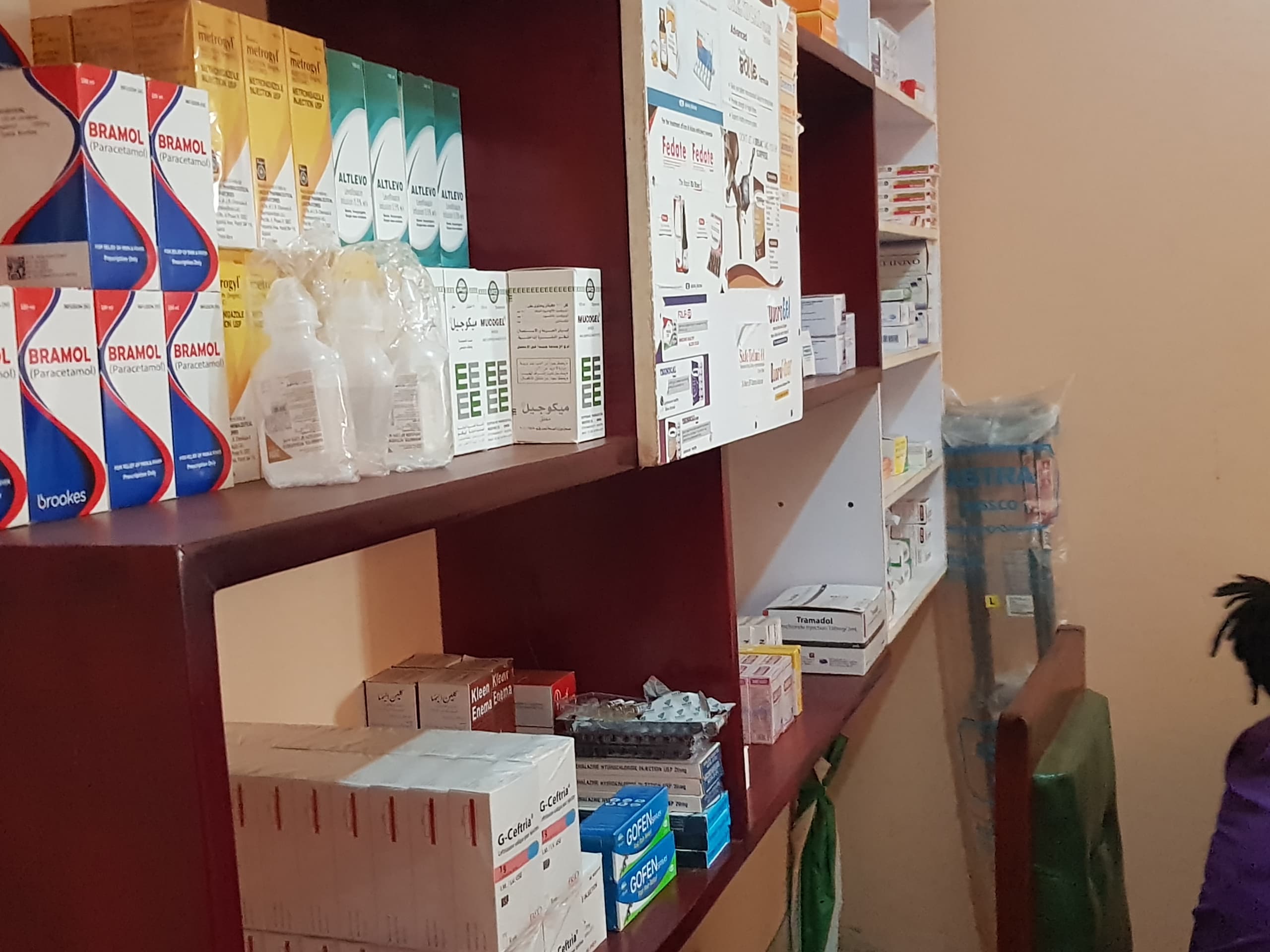
Visit Michoes Today

  • Get immediate help and diagnosis
  • Timely Prescriptions
  • Expert surgical and orthopedic care

Comments

Leave a Reply

Your email address will not be published. Required fields are marked *

  • Protect Your Heart and Prevent Heart Failure

    Protect Your Heart and Prevent Heart Failure

    Heart failure is a condition where the heart doesn’t pump blood as well as it should. It’s a leading cause of death and disability worldwide, but with proper treatment and lifestyle changes, you can reduce your risk and manage symptoms. Heart failure can be caused by a variety of factors, including high blood pressure, diabetes,…

  • Biofeedback Therapy: Take Control of Your Health

    Biofeedback Therapy: Take Control of Your Health

    Biofeedback therapy is a technique that helps you gain control over involuntary functions, such as heart rate and blood pressure. By becoming aware of your body’s responses to stress and anxiety, you can learn how to relax and manage symptoms. At Michoes Medical Centre, our experienced therapists can guide you through biofeedback sessions to help…

  • Find Relief from Chronic Stress and Anxiety with Our Expert Guidance

    Find Relief from Chronic Stress and Anxiety with Our Expert Guidance

    Chronic stress and anxiety can have a significant impact on your daily life, relationships, and overall wellbeing. However, there are many effective strategies and techniques that can help you manage stress and anxiety, improve your mood, and enhance your quality of life. Stress management is a variety of strategies and techniques that can help you…

  • Tension Headache Relief: Natural Remedies and Lifestyle Changes

    Tension Headache Relief: Natural Remedies and Lifestyle Changes

    Tension headaches are the most common type of headache for adults, affecting millions of people worldwide. They can feel like dull, squeezing pain around your head, neck, or face. In this article, we will discuss the causes, symptoms, treatment options, and natural remedies for tension headaches. Tension headaches are often caused by stress, poor posture,…

  • Michoes Medical Centre: Your Partner in Health for Eastern Uganda

    Michoes Medical Centre: Your Partner in Health for Eastern Uganda

    Welcome to Michoes Medical Centre, your trusted healthcare partner in Kanyum, Kumi District. Our 24/7 medical centre is dedicated to providing you with compassionate and expert care, tailored to the unique needs of our community. We Understand Your Health Needs At Michoes Medical Centre, we believe that everyone deserves access to quality healthcare, regardless of…

  • Understanding Throbbing Headaches

    Understanding Throbbing Headaches

    A throbbing headache is a type of headache that pulsates or throbs, often described as a dull ache or a sharp pain. It can be caused by various factors, including stress, dehydration, certain foods, and underlying medical conditions. There are many types of headaches, each with its unique causes and symptoms. Some common types of…

  • Understanding Headaches: What to Know About Pain on the Top of Your Head

    Understanding Headaches: What to Know About Pain on the Top of Your Head

    Do you experience pain on the top of your head? It could be a tension headache, migraine, hypnic headache, or cluster headache. In this guide, we’ll explore the causes, symptoms, and treatment options for each type of headache, as well as provide some helpful tips to alleviate symptoms. Causes and Symptoms A headache on the…

  • Peripheral Artery Disease (PAD) Symptoms and Treatment

    Peripheral Artery Disease (PAD) Symptoms and Treatment

    Peripheral artery disease (PAD) is a condition where the arteries that supply blood to the legs become narrowed, leading to reduced blood flow. This can cause pain, numbness, or weakness in the legs, especially when walking or exercising. The symptoms of PAD can vary from person to person, but common ones include: Pain in the…

  • Michoes Medical Centre: Your Partner in Health and Wellness

    Michoes Medical Centre: Your Partner in Health and Wellness

    Welcome to Michoes Medical Centre, your trusted healthcare partner in Kanyum, Kumi. We are dedicated to providing high-quality medical services that cater to the unique needs of our patients. About 60% of your body weight is made of water, and it plays a vital role in maintaining your overall health. Dehydration can cause dizziness, confusion,…

  • Compression Therapy for Swelling and Leg Pain

    Compression Therapy for Swelling and Leg Pain

    Compression therapy is a non-invasive treatment that uses gentle pressure to improve blood flow and reduce swelling in the legs. It is commonly used to treat conditions such as lymphedema, chronic vein problems, and varicose veins. Compression therapy can be achieved through various means, including wearing compression stockings, sleeves, or bandages. These garments are designed…