

Peripheral Artery Disease (PAD) Symptoms and Treatment

Peripheral artery disease (PAD) is a condition where the arteries that supply blood to the legs become narrowed, leading to reduced blood flow. This can cause pain, numbness, or weakness in the legs, especially when walking or exercising.

The symptoms of PAD can vary from person to person, but common ones include:

Pain in the Legs

Pain in the legs is a common symptom of PAD. The pain can range from mild to severe and may be accompanied by numbness, tingling, or weakness in the legs.

Numbness or Tingling in the Legs

Numbness or tingling in the legs can occur due to reduced blood flow to the nerves in the area. This can cause a burning or prickly sensation in the legs.

Weakness in the Legs

Weakness in the legs can be a symptom of PAD, especially if the condition is severe. The weakness may be temporary or permanent and can make it difficult to walk or perform daily activities.

Swollen or Painful Feet and Ankles

Swollen or painful feet and ankles can occur due to reduced blood flow to the affected areas. This can cause discomfort, pain, and swelling in the feet and ankles.

Cramping in the Legs

Cramping in the legs is a common symptom of PAD. The cramps can be severe and may occur suddenly or gradually over time.

Varicose Veins or Spider Veins

Varicose veins or spider veins can occur due to increased blood pressure in the affected areas. This can cause discomfort, pain, and swelling in the legs.

DVT (Deep Vein Thrombosis)

DVT is a serious condition that occurs when a blood clot forms in a vein deep in the body. PAD increases the risk of developing DVT, which can be life-threatening if not treated promptly.

Stress Fractures

Stress fractures are small cracks in the bones that can occur due to overuse or repetitive strain on the affected area. PAD increases the risk of stress fractures, especially in the legs and feet.

The treatment for PAD depends on the severity of the condition and may include:

Medications

Medications such as aspirin, ibuprofen, or blood thinners can help reduce inflammation and prevent clots from forming.

Surgery

Surgery may be necessary to treat severe PAD. This can include angioplasty, stenting, or bypass surgery.

Lifestyle Changes

Lifestyle changes such as quitting smoking, exercising regularly, and maintaining a healthy weight can help manage PAD symptoms and prevent complications.

Don’t ignore the pain in your legs. If you’re experiencing any of these symptoms, seek medical attention immediately. Contact [phone number] at [location] to schedule an appointment with our healthcare professionals.

Contact Us Today:

Call us now or visit our website for more information on PAD treatment and management.
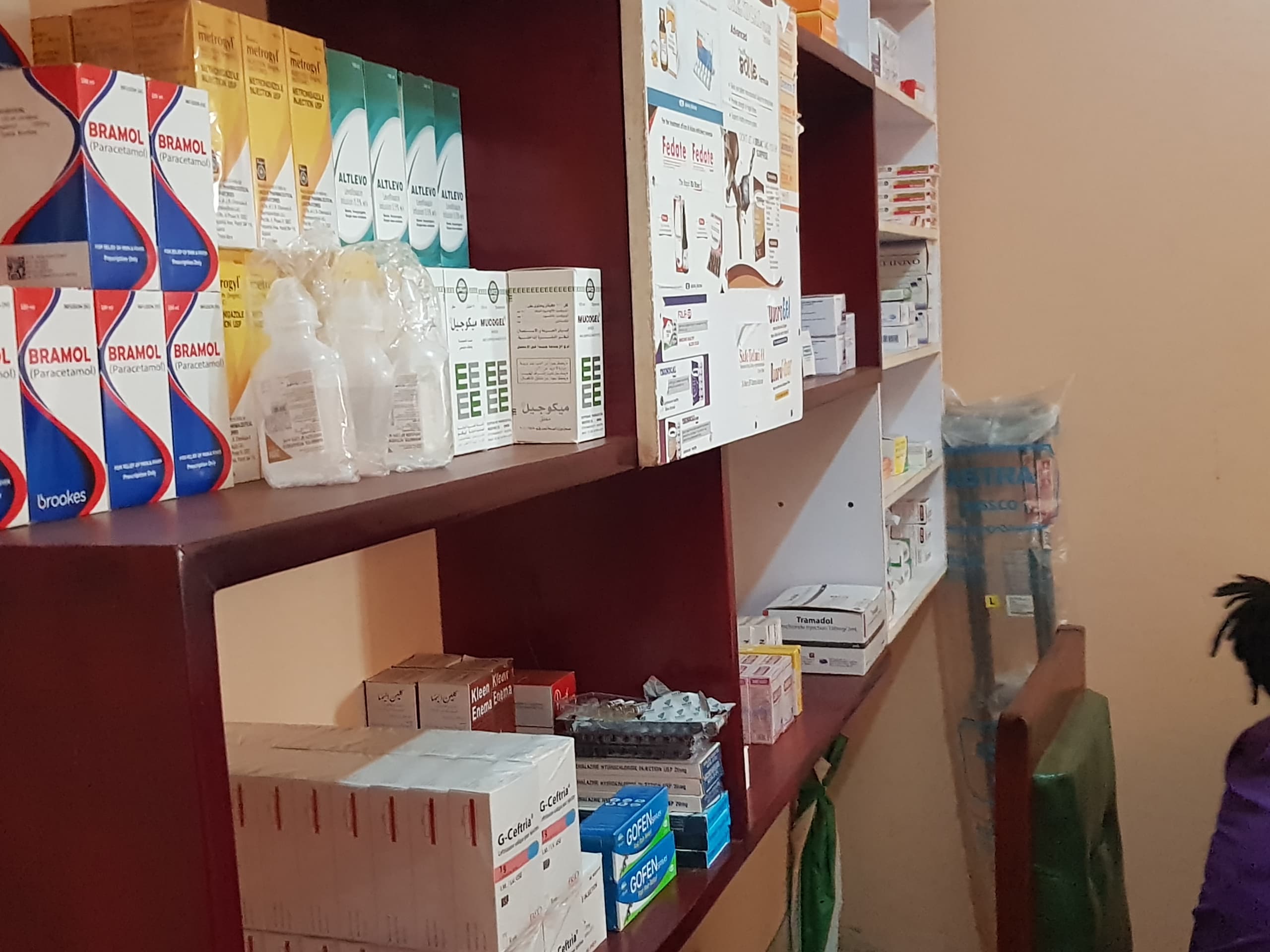
Visit Michoes Today

  • Get immediate help and diagnosis
  • Timely Prescriptions
  • Expert surgical and orthopedic care

Comments

Leave a Reply

Your email address will not be published. Required fields are marked *

  • Over-the-Counter Pain Relievers for Arthritis: What You Need to Know

    Over-the-Counter Pain Relievers for Arthritis: What You Need to Know

    Arthritis is a common condition that affects millions of people worldwide. While there are many treatment options available, over-the-counter (OTC) pain relievers can be an effective way to manage symptoms. However, it’s essential to understand the different types of OTC pain relievers and how they work. Understanding Over-the-Counter Pain Relievers Otc pain relievers come in…

  • Understanding Arthritis: Types, Symptoms, and Treatment Options

    Understanding Arthritis: Types, Symptoms, and Treatment Options

    The most common type of arthritis is osteoarthritis (OA), which affects adults over age 50. It can also occur in younger people after a joint injury. Other types include rheumatoid arthritis (RA) and psoriatic arthritis (PsA). Symptoms vary depending on the type of arthritis, but they often include pain, swelling, and stiffness in the affected…

  • Orthopedic Doctors: What You Need to Know

    Orthopedic Doctors: What You Need to Know

    An orthopedic doctor, also known as an orthopedist, is a medical professional who specializes in the diagnosis and treatment of disorders and injuries affecting the musculoskeletal system, which includes bones, joints, muscles, tendons, and ligaments. If you’re experiencing joint pain, inflammation, or difficulty moving, it’s essential to consider visiting an orthopedic doctor. They can provide…

  • Michoes Medical Centre – Your 24/7 Health Companion in Kanyum, Kumi District

    Michoes Medical Centre – Your 24/7 Health Companion in Kanyum, Kumi District

    Welcome to Michoes Medical Centre, your trusted healthcare partner in the heart of Eastern Uganda. As a pioneering medical centre in Kanyum, Kumi District, we offer advanced, compassionate, and patient-first care to communities across Soroti, Bukedea, Ngora, Katakwi, Amuria, Kaberamaido, Pallisa, Tororo, Mbale, and Jinja. Our mission is to provide exceptional healthcare in a serene…

  • Understanding Breast Rashes and Their Causes

    Understanding Breast Rashes and Their Causes

    Breast rashes can be caused by a variety of factors, including infections, skin conditions, and hormonal changes. In most cases, they are not a sign of breast cancer, but it’s essential to seek medical attention if you experience any unusual symptoms. Mastitis is an inflammation of the breast tissue that can cause pain, swelling, and…

  • Breast Cancer Awareness: Famous Celebrities Share Their Stories

    Breast Cancer Awareness: Famous Celebrities Share Their Stories

    Breast cancer is a leading cause of death among women worldwide, but there is hope. Many famous celebrities have bravely shared their personal experiences with breast cancer, raising awareness and inspiring others to get screened. Shannen Doherty’s Stage 4 Breast Cancer Diagnosis Actress Shannen Doherty recently revealed her stage 4 breast cancer diagnosis and how…

  • Breast Biopsy: What to Expect at Michoes Medical Centre

    Breast Biopsy: What to Expect at Michoes Medical Centre

    A breast biopsy is a procedure in which your doctor takes out cells or a small piece of tissue from part of your breast. They look at it under a microscope for signs of cancer. It’s the only way to know for sure if a possible trouble spot is cancer. If your doctor finds something…

  • Michoes Medical Centre – Your Trusted Partner in Healthcare for Kanyum, Kumi, Soroti, and Beyond

    Michoes Medical Centre – Your Trusted Partner in Healthcare for Kanyum, Kumi, Soroti, and Beyond

    Located in the heart of Kanyum, Michoes Medical Centre is your premier healthcare destination for comprehensive medical care. Our state-of-the-art facility is equipped with cutting-edge technology and staffed by experienced doctors who are dedicated to providing you with the best possible care. We offer a wide range of services, including orthopedic surgery, general surgery, pediatrics,…

  • Understanding HR+ Breast Cancer Treatment Options

    Understanding HR+ Breast Cancer Treatment Options

    Living with breast cancer can be overwhelming, especially when it comes to treatment options. If you’ve been diagnosed with HR+, or hormone receptor-positive, breast cancer, your doctor may have recommended a combination of treatments tailored to your unique situation. HR+ breast cancer is characterized by the presence of estrogen receptors on cancer cells. Estrogen can…

  • Managing Adult ADHD: Lifestyle and Diet Changes Can Help

    Managing Adult ADHD: Lifestyle and Diet Changes Can Help

    Adult ADHD can affect your whole life, but with medication and lifestyle changes, you can take steps to make your day-to-day a little easier. No single habit will fix everything, but a mix of lifestyle and diet changes can help. ADHD raises your chances of obesity. Experts aren’t exactly sure why, but you might not…