Dysautonomia: Understanding the Autonomic Nervous System

Dysautonomia, also known as autonomic dysfunction, refers to a group of medical disorders caused by problems with the autonomic nervous system (ANS). Your ANS controls your body’s automatic functions, such as heart rate, digestion, blood pressure, kidney function, and more. Dysautonomia can show up in your body in many ways, affecting various parts of your ANS.

The condition isn’t rare; globally, it affects over 70 million people of all genders, races, and ages. Research shows that having long COVID-19 puts you at a higher risk for dysautonomia. One study found it in almost 70% of those living with lasting COVID effects.

There are many causes of dysautonomia, including postural orthostatic tachycardia syndrome (POTS), Ehlers-Danlos syndrome, vasovagal syncope, and others. Symptoms can range from less serious issues, such as lightheadedness, to severe complications and even death.

There are about 15 types of dysautonomia. You can have more than one type at the same time. They include:

POTS (Postural Orthostatic Tachycardia Syndrome)

This is a more common form of the disorder. Symptoms might include a higher heart rate while standing. They can also include:

  • Low blood pressure
  • Lightheadedness
  • Dizziness

Vasovagal Syncope

This happens when your body isn’t able to control your blood pressure when you stand. Symptoms might include:

  • Low blood pressure
  • A low heart rate
  • Palpitations

Riley-Day Syndrome

This is a rare genetic disorder that affects how your body controls your blood pressure. Symptoms include:

  • Tremors
  • Seizures
  • Confusion

Acute Pandysautonomia or Idiopathic Subacute Autonomic Neuropathy

This is rare and usually severe, causing issues with your autonomic nervous system cells. It’s often linked to Parkinson’s disease and dementia.

If you have dysautonomia, your symptoms will depend on which type you have. But in general, you may have symptoms such as:

  • Lightheadedness
  • Fatigue
  • Passing out

Diagnosis and Treatment

There are many ways to diagnose disorders within your autonomic nervous system. One of them includes a tilt table test.

A diagnosis may be made if you experience symptoms such as lightheadedness, dizzy, woozy, or unsteady, tingling in hands and feet, visual hallucinations, or issues with smell and taste.

While there’s no cure for dysautonomia, you may be able to ease some of your symptoms. Your doctor may suggest you take meds such as fludrocortisone and midodrine to raise your blood pressure.

What to Do Next

If you’re experiencing symptoms of dysautonomia, consult a healthcare professional for proper diagnosis and treatment. In Kikuyu, the local language spoken in Kenya, our slogan is: “Mzingo, mimi, ni pungu” meaning “I have pain.” You are not alone. At 555-1234, call us today to schedule an appointment with a specialist. We’re here to help you manage your symptoms and improve your quality of life.

Book an appointment today by visiting our website at [www.michoesmedicalcentre.com](http://www.michoesmedicalcentre.com) or by giving us a call at 555-1234. Our team is here to provide you with the best possible care.
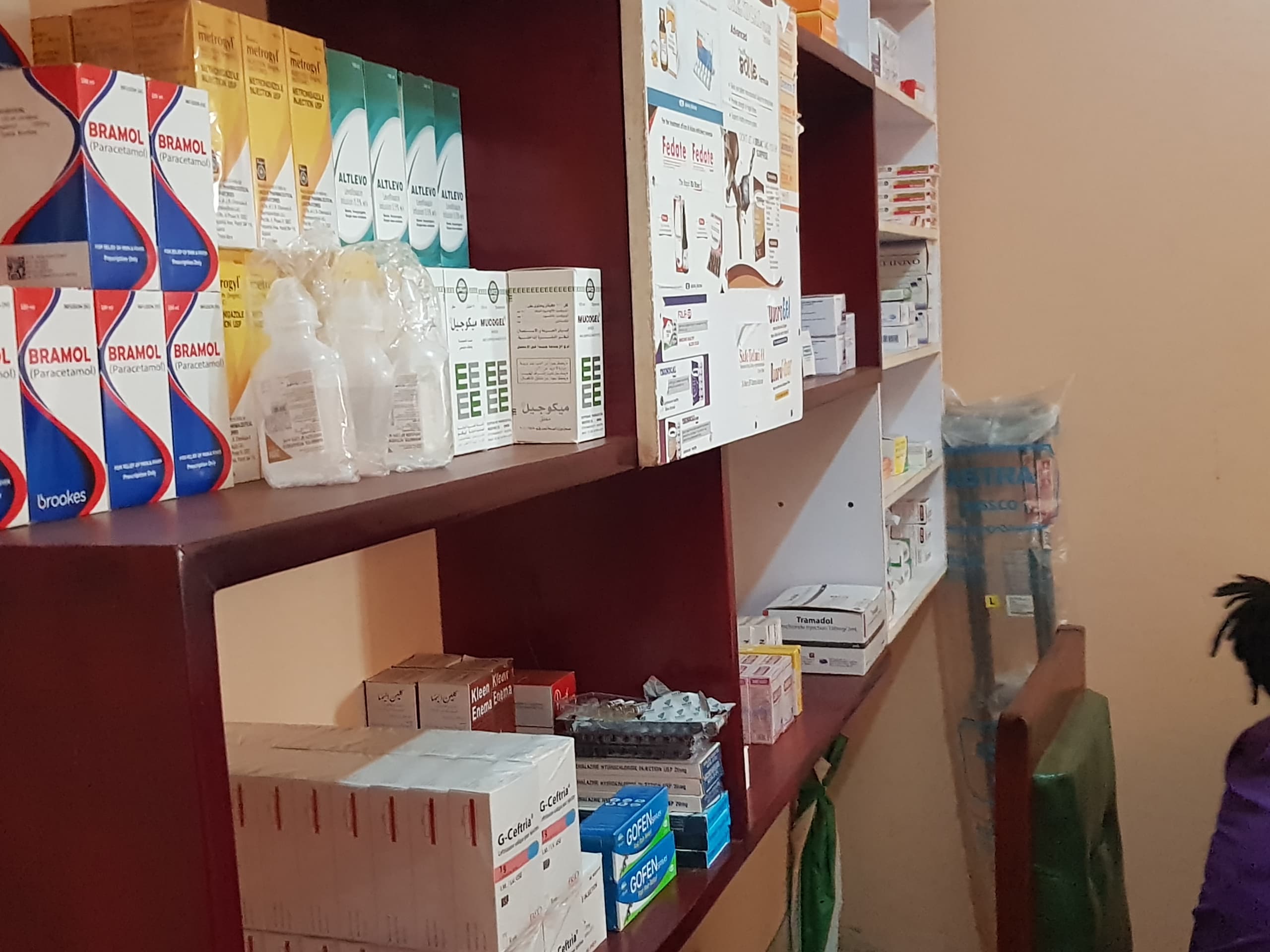
Visit Michoes Today

  • Get immediate help and diagnosis
  • Timely Prescriptions
  • Expert surgical and orthopedic care

Comments

Leave a Reply

Your email address will not be published. Required fields are marked *

  • Over-the-Counter Pain Relievers for Arthritis: What You Need to Know

    Over-the-Counter Pain Relievers for Arthritis: What You Need to Know

    Arthritis is a common condition that affects millions of people worldwide. While there are many treatment options available, over-the-counter (OTC) pain relievers can be an effective way to manage symptoms. However, it’s essential to understand the different types of OTC pain relievers and how they work. Understanding Over-the-Counter Pain Relievers Otc pain relievers come in…

  • Understanding Arthritis: Types, Symptoms, and Treatment Options

    Understanding Arthritis: Types, Symptoms, and Treatment Options

    The most common type of arthritis is osteoarthritis (OA), which affects adults over age 50. It can also occur in younger people after a joint injury. Other types include rheumatoid arthritis (RA) and psoriatic arthritis (PsA). Symptoms vary depending on the type of arthritis, but they often include pain, swelling, and stiffness in the affected…

  • Orthopedic Doctors: What You Need to Know

    Orthopedic Doctors: What You Need to Know

    An orthopedic doctor, also known as an orthopedist, is a medical professional who specializes in the diagnosis and treatment of disorders and injuries affecting the musculoskeletal system, which includes bones, joints, muscles, tendons, and ligaments. If you’re experiencing joint pain, inflammation, or difficulty moving, it’s essential to consider visiting an orthopedic doctor. They can provide…

  • Michoes Medical Centre – Your 24/7 Health Companion in Kanyum, Kumi District

    Michoes Medical Centre – Your 24/7 Health Companion in Kanyum, Kumi District

    Welcome to Michoes Medical Centre, your trusted healthcare partner in the heart of Eastern Uganda. As a pioneering medical centre in Kanyum, Kumi District, we offer advanced, compassionate, and patient-first care to communities across Soroti, Bukedea, Ngora, Katakwi, Amuria, Kaberamaido, Pallisa, Tororo, Mbale, and Jinja. Our mission is to provide exceptional healthcare in a serene…

  • Understanding Breast Rashes and Their Causes

    Understanding Breast Rashes and Their Causes

    Breast rashes can be caused by a variety of factors, including infections, skin conditions, and hormonal changes. In most cases, they are not a sign of breast cancer, but it’s essential to seek medical attention if you experience any unusual symptoms. Mastitis is an inflammation of the breast tissue that can cause pain, swelling, and…

  • Breast Cancer Awareness: Famous Celebrities Share Their Stories

    Breast Cancer Awareness: Famous Celebrities Share Their Stories

    Breast cancer is a leading cause of death among women worldwide, but there is hope. Many famous celebrities have bravely shared their personal experiences with breast cancer, raising awareness and inspiring others to get screened. Shannen Doherty’s Stage 4 Breast Cancer Diagnosis Actress Shannen Doherty recently revealed her stage 4 breast cancer diagnosis and how…

  • Breast Biopsy: What to Expect at Michoes Medical Centre

    Breast Biopsy: What to Expect at Michoes Medical Centre

    A breast biopsy is a procedure in which your doctor takes out cells or a small piece of tissue from part of your breast. They look at it under a microscope for signs of cancer. It’s the only way to know for sure if a possible trouble spot is cancer. If your doctor finds something…

  • Michoes Medical Centre – Your Trusted Partner in Healthcare for Kanyum, Kumi, Soroti, and Beyond

    Michoes Medical Centre – Your Trusted Partner in Healthcare for Kanyum, Kumi, Soroti, and Beyond

    Located in the heart of Kanyum, Michoes Medical Centre is your premier healthcare destination for comprehensive medical care. Our state-of-the-art facility is equipped with cutting-edge technology and staffed by experienced doctors who are dedicated to providing you with the best possible care. We offer a wide range of services, including orthopedic surgery, general surgery, pediatrics,…

  • Understanding HR+ Breast Cancer Treatment Options

    Understanding HR+ Breast Cancer Treatment Options

    Living with breast cancer can be overwhelming, especially when it comes to treatment options. If you’ve been diagnosed with HR+, or hormone receptor-positive, breast cancer, your doctor may have recommended a combination of treatments tailored to your unique situation. HR+ breast cancer is characterized by the presence of estrogen receptors on cancer cells. Estrogen can…

  • Managing Adult ADHD: Lifestyle and Diet Changes Can Help

    Managing Adult ADHD: Lifestyle and Diet Changes Can Help

    Adult ADHD can affect your whole life, but with medication and lifestyle changes, you can take steps to make your day-to-day a little easier. No single habit will fix everything, but a mix of lifestyle and diet changes can help. ADHD raises your chances of obesity. Experts aren’t exactly sure why, but you might not…