Dysautonomia: Understanding the Autonomic Nervous System

Dysautonomia, also known as autonomic dysfunction, refers to a group of medical disorders caused by problems with the autonomic nervous system (ANS). Your ANS controls your body’s automatic functions, such as heart rate, digestion, blood pressure, kidney function, and more. Dysautonomia can show up in your body in many ways, affecting various parts of your ANS.

The condition isn’t rare; globally, it affects over 70 million people of all genders, races, and ages. Research shows that having long COVID-19 puts you at a higher risk for dysautonomia. One study found it in almost 70% of those living with lasting COVID effects.

There are many causes of dysautonomia, including postural orthostatic tachycardia syndrome (POTS), Ehlers-Danlos syndrome, vasovagal syncope, and others. Symptoms can range from less serious issues, such as lightheadedness, to severe complications and even death.

There are about 15 types of dysautonomia. You can have more than one type at the same time. They include:

POTS (Postural Orthostatic Tachycardia Syndrome)

This is a more common form of the disorder. Symptoms might include a higher heart rate while standing. They can also include:

  • Low blood pressure
  • Lightheadedness
  • Dizziness

Vasovagal Syncope

This happens when your body isn’t able to control your blood pressure when you stand. Symptoms might include:

  • Low blood pressure
  • A low heart rate
  • Palpitations

Riley-Day Syndrome

This is a rare genetic disorder that affects how your body controls your blood pressure. Symptoms include:

  • Tremors
  • Seizures
  • Confusion

Acute Pandysautonomia or Idiopathic Subacute Autonomic Neuropathy

This is rare and usually severe, causing issues with your autonomic nervous system cells. It’s often linked to Parkinson’s disease and dementia.

If you have dysautonomia, your symptoms will depend on which type you have. But in general, you may have symptoms such as:

  • Lightheadedness
  • Fatigue
  • Passing out

Diagnosis and Treatment

There are many ways to diagnose disorders within your autonomic nervous system. One of them includes a tilt table test.

A diagnosis may be made if you experience symptoms such as lightheadedness, dizzy, woozy, or unsteady, tingling in hands and feet, visual hallucinations, or issues with smell and taste.

While there’s no cure for dysautonomia, you may be able to ease some of your symptoms. Your doctor may suggest you take meds such as fludrocortisone and midodrine to raise your blood pressure.

What to Do Next

If you’re experiencing symptoms of dysautonomia, consult a healthcare professional for proper diagnosis and treatment. In Kikuyu, the local language spoken in Kenya, our slogan is: “Mzingo, mimi, ni pungu” meaning “I have pain.” You are not alone. At 555-1234, call us today to schedule an appointment with a specialist. We’re here to help you manage your symptoms and improve your quality of life.

Book an appointment today by visiting our website at [www.michoesmedicalcentre.com](http://www.michoesmedicalcentre.com) or by giving us a call at 555-1234. Our team is here to provide you with the best possible care.
Visit Michoes Today

  • Get immediate help and diagnosis
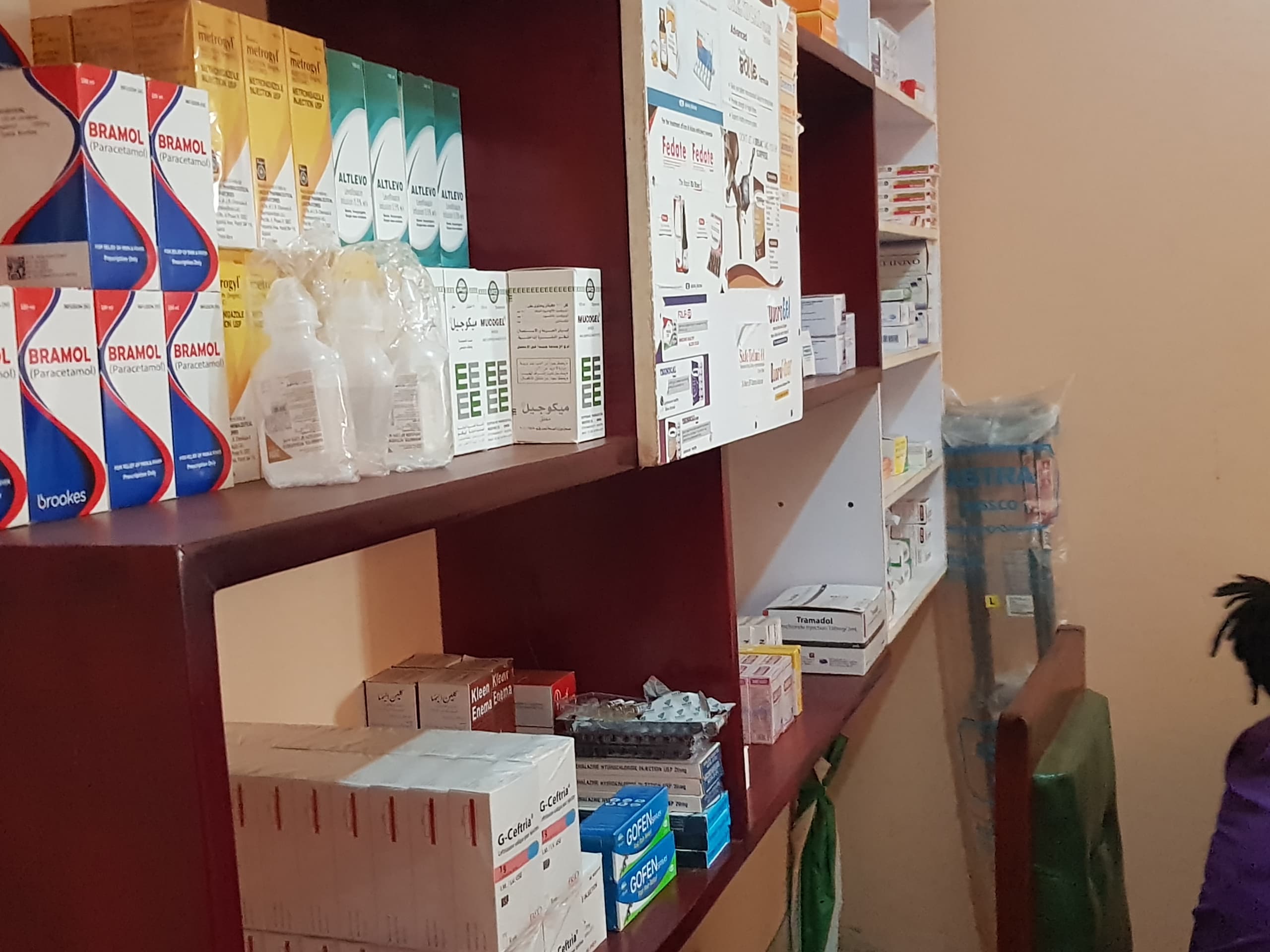
  • Timely Prescriptions
  • Expert surgical and orthopedic care

Comments

Leave a Reply

Your email address will not be published. Required fields are marked *

  • Michoes Medical Centre – Your 24/7 Healthcare Partner in Kanyum, Kumi

    Michoes Medical Centre – Your 24/7 Healthcare Partner in Kanyum, Kumi

    Welcome to Michoes Medical Centre, your premier healthcare destination in Kanyum, Kumi. We are a state-of-the-art medical facility dedicated to providing exceptional care and compassionate service to our patients. Our centre is located in the heart of Kanyum Town, making us easily accessible from all corners of Eastern Uganda. Our experienced doctors and medical staff…

  • Expert Bronchoscopic Care in Kanyum, Kumi: Your Path to Better Breathing

    Expert Bronchoscopic Care in Kanyum, Kumi: Your Path to Better Breathing

    At Michoes Medical Centre, we understand the importance of quick and effective bronchoscopic care. Our experienced team, led by Dr. Michael Emusugut, is dedicated to providing you with the best possible treatment for your respiratory issues. A bronchoscopy is a medical device that lets doctors look into your lungs and airways. The procedure uses a…

  • Flu Symptoms: Should I see my doctor?

    Flu Symptoms: Should I see my doctor?

    The flu is a contagious respiratory illness caused by the influenza virus. It can lead to serious complications, including hospitalization and even death. While most people recover from the flu with rest and over-the-counter medications, some may need medical attention. Flu symptoms typically start within one to four days after exposure to the virus and…

  • Pulmonary Fibrosis Treatment at Michoes Medical Centre

    Pulmonary Fibrosis Treatment at Michoes Medical Centre

    Pulmonary fibrosis, or PF, is a condition where something scars and stiffens your lung tissue. It can make it hard for your lungs to work the right way. Your doctor will call it idiopathic pulmonary fibrosis, or IPF, if they’re not sure why it happened. Your symptoms, and how severe they are, depend on what’s…

  • Michoes Medical Centre – Preventing Pneumonia in Kanyum, Kumi District

    Michoes Medical Centre – Preventing Pneumonia in Kanyum, Kumi District

    Preventing pneumonia is one of the most effective ways to keep yourself and your family healthy. At Michoes Medical Centre, we provide comprehensive healthcare services to help you prevent and manage pneumonia. Our team of experienced doctors and specialists are committed to delivering high-quality care to our patients in Kanyum, Kumi District. Pneumonia is an…

  • Clogged Arteries: Causes, Symptoms, and Treatment Options

    Clogged Arteries: Causes, Symptoms, and Treatment Options

    Arterial plaque can reduce blood flow or, in some instances, block it altogether. Clogged arteries greatly increase the likelihood of heart attack, stroke, and even death. Because of these dangers, it is essential to be aware, no matter how old you are, of the causes of artery plaque and treatment strategies to prevent serious consequences.…

  • Pulmonary Vascular Disease: Symptoms, Causes, and Treatment Options

    Pulmonary Vascular Disease: Symptoms, Causes, and Treatment Options

    Pulmonary vascular disease is a condition that affects the blood vessels leading to or from the lungs. Most forms of pulmonary vascular disease cause shortness of breath. The definition of pulmonary vascular disease is simple: any condition that affects the blood vessels along the route between the heart and lungs. Blood travels from the heart,…

  • Pulmonary Arterial Hypertension (PAH) Treatment and Management

    Pulmonary Arterial Hypertension (PAH) Treatment and Management

    At Michoes Medical Centre, we offer comprehensive treatment and management options for patients with pulmonary arterial hypertension (PAH). Our team of expert doctors, led by Dr. Michael Emusugut, is dedicated to providing personalized care and addressing the unique needs of each patient. Understanding PAH PAH is a serious condition characterized by high blood pressure in…

  • COVID-19 Symptoms in Eastern Uganda: What to Look Out For

    COVID-19 Symptoms in Eastern Uganda: What to Look Out For

    Covid-19 symptoms may be subtle, but they can be telling. If you’ve had a cold or flu-like symptoms in late 2019 or early 2020, there’s a chance it might have been COVID-19. In this post, we’ll explore some of the key signs and symptoms to look out for, particularly in Eastern Uganda. Long-term symptoms Covid-19…

  • Covid-19 Antibody Testing: What You Need to Know

    Covid-19 Antibody Testing: What You Need to Know

    COVID-19 antibody testing is a blood test that checks for the presence of antibodies in your blood, which are proteins produced by your immune system in response to infection. The test can help determine if you have had COVID-19 or have been vaccinated against it. Covid-19 antibody tests require a blood sample, collected through a…