

Vascular Disease: Understanding the Risks and Treatment Options

Vascular disease is any condition that affects the network of your blood vessels. This network is known as your vascular or circulatory system. “Vascular” comes from a Latin word for hollow container. If your entire network of blood vessels were stretched end-to-end, they could circle the Earth multiple times.

Some of these vessels move blood. As your heart beats, it pumps blood with oxygen and nutrients to feed your tissues and carry off waste. Arteries move blood away from the heart. Veins return it. Lymph vessels and lymph nodes are part of a separate cleaning system that rids your body of damaged cells.

They also help protect you from infections and cancer. The vessels pick up fluid from tissues throughout your body. That fluid drains back into veins under your collarbones.

Vascular diseases range from problems with your arteries, veins, and vessels that carry lymph to disorders that affect how your blood flows. A disease can mean your tissues aren’t getting enough blood, a condition called ischemia, as well as other serious, even life-threatening, problems.

An aneurysm is a bulge in the wall of any blood vessel. It’s most often seen in the aorta, the main blood vessel leaving your heart. You can get an aortic aneurysm in your chest, where it’s called thoracic, or your belly, where it’s called abdominal.

Small aneurysms generally pose no threat. But they put you at risk for other problems: Because the artery wall is stretched and thinner at the spot of an aneurysm, it’s fragile and could burst under stress, like a balloon.

The sudden rupture of an aortic aneurysm can be deadly.

Atherosclerosis and peripheral artery disease Coronary arteries supply blood to your heart muscle. Peripheral arteries carry blood to other tissues and organs.

Both can have deposits of fat, cholesterol, and other substances on their inside walls called plaque. Over time, plaque can build up, so the vessel becomes narrow and it’s harder for blood to flow. Or a plaque could rupture, blocking blood flow.

Eventually, the artery will be so narrow that your tissues don’t get enough blood. You can have different symptoms and problems, based on where it happens.

For example: When you don’t have any blood flow to a part of your body, the tissues could die. If that happens, you may lose a limb or an organ.

Blood clots in veins (VTE) A blood clot in a vein inside a muscle — usually in your lower leg, thigh, or pelvis — is a deep vein thrombosis (DVT). If the clot breaks loose and travels to your lungs, it becomes a pulmonary embolism (PE).

Your doctor may call these clots in your veins venous thromboembolisms, or VTE. Causes include: Damaged vein valves or a DVT can cause long-term blood pooling and swelling in your legs, too.

That problem is called chronic venous insufficiency. If you don’t do anything about it, fluid will leak into the tissues in your ankles and feet. Over time, it may make your skin break down and wear away.

Blood clotting disorders Some illnesses make your blood more likely to form clots. You could be born with one, or something may happen to you.

These types of disorders can cause: Buerger’s disease This rare disease most often happens in the small and medium arteries and veins in your arms and legs. They swell up and may form clots, cutting off blood supply to your fingers, hands, toes, or feet.

These body parts will hurt, even when you’re resting. If it’s severe, you might lose fingers or toes.

Lymphedema Your lymphatic system doesn’t have a pump, the way your blood circulation system does. It relies on valves in the vessels and muscle contractions to keep the lymph moving.

When vessels or nodes are missing or don’t work right, fluid can build up and cause swelling, most often in your arms or legs. This is called lymphedema.

Primary lymphedema is rare. It happens when you’re born without certain lymph vessels or when you have a problem with the tubes themselves.

When there’s a blockage or pause in your lymphatic system, it’s called secondary lymphedema. It can happen because of: Peripheral venous disease and varicose veins

Unlike arteries, veins have flaps inside called valves. When your muscles contract, the valves open, and blood moves through the tubes.

When your muscles relax, the valves close so the blood flows in only one direction. Damaged valves may not close the way they should when your muscles relax. This allows blood to flow in both directions, and it can pool.

This is what happens with varicose veins. They may bulge like purple ropes under your skin. They can also look like small red or purple bursts on your knees, calves, or thighs.

These spider veins happen because of swollen small blood vessels called capillaries.

After a day of activity, your legs might ache, sting, or swell. More women than men get varicose veins, and they often run in families.

Pregnancy, being very overweight, or standing for long times can cause them.

Because your blood is moving more slowly, it may stick to the sides of your veins, and clots can form.

Raynaud’s phenomenon (Raynaud’s disease or Raynaud’s syndrome) When you’re cold or excited, the small arteries of your fingers and your toes may twitch or cramp.

This can temporarily shut down blood supply to the area, making your skin look white or bluish and feel cold or numb. The working conditions of some jobs bring on Raynaud’s.

The symptoms could also be related to other diseases, including lupus, rheumatoid arthritis, and scleroderma.

People with Buerger’s disease can also have Raynaid’s phenomenon.

Vascular disease causes can include: Some things can increase your risk of getting a vascular disease, including:

You can often treat vascular disease with lifestyle changes, such as:
You may also need medication, including:
If your case is serious, you might need a medical procedure like an angioplasty, in which your doctor widens or clears a blood vessel.

Improve circulation in your legs with exercise, diet, and other healthy habits. Learn about ways you can improve blood flow.

Don’t wait any longer to take control of your vascular health. Book an appointment with us today to discuss your risk factors and treatment options.

Call us at 01234 567890 to schedule a consultation or visit our website at michoesmedicalcentre.com for more information.
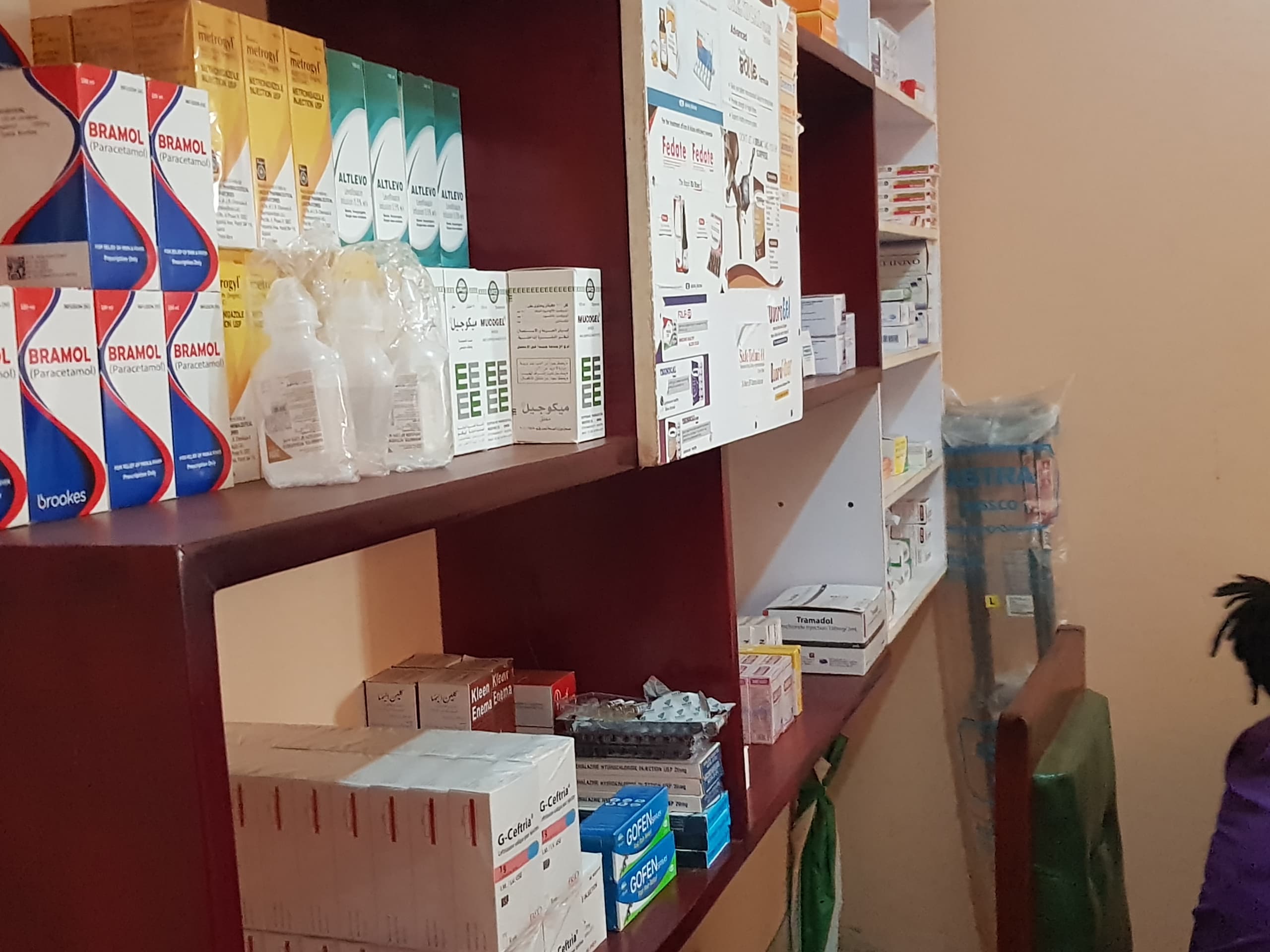
Visit Michoes Today

  • Get immediate help and diagnosis
  • Timely Prescriptions
  • Expert surgical and orthopedic care

Comments

Leave a Reply

Your email address will not be published. Required fields are marked *

  • Michoes Medical Centre – Your trusted healthcare partner in Kanyum, Kumi District

    Michoes Medical Centre – Your trusted healthcare partner in Kanyum, Kumi District

    Are you looking for a healthcare centre that is close to home, kind, competent, and available 24/7? Look no further than Michoes Medical Centre in Kanyum, Kumi District. As a trusted medical partner in your community, we offer a wide range of services designed to meet your healthcare needs. Our team of experienced doctors and…

  • Lung Cancer: Know the Signs, Symptoms, and Treatment Options

    Lung Cancer: Know the Signs, Symptoms, and Treatment Options

    Lung cancer is a serious disease that affects millions of people worldwide. It’s essential to know the signs and symptoms to catch it early and seek treatment promptly. In this article, we’ll discuss the common types of lung cancer, their causes, symptoms, diagnosis, treatment options, and more. What is Lung Cancer? Lung cancer is a…

  • Michoes Medical Centre: Ulcerative Colitis Treatment and Management

    Michoes Medical Centre: Ulcerative Colitis Treatment and Management

    Michoes Medical Centre is a leading healthcare provider in Kanyum, Kumi, Soroti, offering expert treatment and management for ulcerative colitis. Our team of experienced gastroenterologists and healthcare professionals will work with you to develop a personalized treatment plan tailored to your specific needs. Ulcerative colitis (UC) is a chronic inflammatory bowel disease that affects the…

  • Asthma and Bronchitis Treatment at Michoes Medical Centre

    Asthma and Bronchitis Treatment at Michoes Medical Centre

    Asthmatic bronchitis is a common condition that affects millions of people worldwide. It’s essential to understand its symptoms, causes, and treatment options to manage this respiratory issue effectively. Symptoms of Asthmatic Bronchitis: * Coughing, wheezing, and shortness of breath * Chest tightness and fatigue * Difficulty breathing, especially during exercise or at night Causes of…

  • Michoes Medical Centre – Your Trusted Partner in Healthcare

    Michoes Medical Centre – Your Trusted Partner in Healthcare

    Welcome to Michoes Medical Centre, your premier healthcare provider in Kumi, Uganda. We offer a wide range of medical services, including orthopedic care, general surgery, pediatrics, obstetrics and gynecology, pharmacy, and laboratory testing. Our state-of-the-art facility is equipped with the latest technology and staffed by highly trained medical professionals who are dedicated to providing you…

  • Facing Asthmatic Bronchitis in Eastern Uganda: Know Your Symptoms and Treatment Options

    Facing Asthmatic Bronchitis in Eastern Uganda: Know Your Symptoms and Treatment Options

    Asthmatic bronchitis is a combination of the symptoms of bronchitis and asthma, which can be challenging to manage. At Michoes Medical Centre in Kanyum, Kumi District, Eastern Uganda, we understand the importance of early diagnosis and effective treatment. Asthmatic bronchitis typically occurs when you have both bronchitis and asthma. The condition is usually caused by…

  • Michoes Medical Centre: Your Trusted Healthcare Partner in Kanyum, Kumi District

    Michoes Medical Centre: Your Trusted Healthcare Partner in Kanyum, Kumi District

    Located in the heart of Kanyum, Kumi District, Michoes Medical Centre is your premier healthcare destination for exceptional medical care. As a 24/7 private medical centre, we offer a wide range of services to cater to your unique health needs. From family medicine to specialized care, our experienced doctors and medical professionals are dedicated to…

  • Fever: Understanding the Symptoms, Causes, and Treatment Options

    Fever: Understanding the Symptoms, Causes, and Treatment Options

    Fever is a common symptom that can be caused by various factors, including infections, illnesses, and even allergies. In this article, we will explore the different types of fevers, their causes, symptoms, and treatment options. Whether you’re experiencing a mild fever or a high one, it’s essential to understand what it means and how to…

  • Cough Relief: What Causes It and How to Soothe a Persistent Cough

    Cough Relief: What Causes It and How to Soothe a Persistent Cough

    Are you tired of living with a persistent cough? Coughing can be a symptom of many conditions, from allergies and the common cold to chronic bronchitis. In this article, we’ll explore what causes a cough, how to soothe a persistent cough, and when it’s time to see a doctor for further treatment. Why do we…

  • Inflammation: Causes, Symptoms, and Treatment Options

    Inflammation: Causes, Symptoms, and Treatment Options

    Inflammation is a natural response of the body’s immune system to injury or infection. It can be acute, lasting for days or weeks, or chronic, persisting for months or years. Chronic inflammation can lead to various health issues, including autoimmune disorders like rheumatoid arthritis, osteoarthritis, and other inflammatory diseases. Causes of Inflammation Inflammatory diseases include…