Vascular Disease: Understanding the Risks and Treatment Options

Vascular disease is any condition that affects the network of your blood vessels. This network is known as your vascular or circulatory system. “Vascular” comes from a Latin word for hollow container. If your entire network of blood vessels were stretched end-to-end, they could circle the Earth multiple times.

Some of these vessels move blood. As your heart beats, it pumps blood with oxygen and nutrients to feed your tissues and carry off waste. Arteries move blood away from the heart. Veins return it. Lymph vessels and lymph nodes are part of a separate cleaning system that rids your body of damaged cells.

They also help protect you from infections and cancer. The vessels pick up fluid from tissues throughout your body. That fluid drains back into veins under your collarbones.

Vascular diseases range from problems with your arteries, veins, and vessels that carry lymph to disorders that affect how your blood flows. A disease can mean your tissues aren’t getting enough blood, a condition called ischemia, as well as other serious, even life-threatening, problems.

An aneurysm is a bulge in the wall of any blood vessel. It’s most often seen in the aorta, the main blood vessel leaving your heart. You can get an aortic aneurysm in your chest, where it’s called thoracic, or your belly, where it’s called abdominal.

Small aneurysms generally pose no threat. But they put you at risk for other problems: Because the artery wall is stretched and thinner at the spot of an aneurysm, it’s fragile and could burst under stress, like a balloon.

The sudden rupture of an aortic aneurysm can be deadly.

Atherosclerosis and peripheral artery disease Coronary arteries supply blood to your heart muscle. Peripheral arteries carry blood to other tissues and organs.

Both can have deposits of fat, cholesterol, and other substances on their inside walls called plaque. Over time, plaque can build up, so the vessel becomes narrow and it’s harder for blood to flow. Or a plaque could rupture, blocking blood flow.

Eventually, the artery will be so narrow that your tissues don’t get enough blood. You can have different symptoms and problems, based on where it happens.

For example: When you don’t have any blood flow to a part of your body, the tissues could die. If that happens, you may lose a limb or an organ.

Blood clots in veins (VTE) A blood clot in a vein inside a muscle — usually in your lower leg, thigh, or pelvis — is a deep vein thrombosis (DVT). If the clot breaks loose and travels to your lungs, it becomes a pulmonary embolism (PE).

Your doctor may call these clots in your veins venous thromboembolisms, or VTE. Causes include: Damaged vein valves or a DVT can cause long-term blood pooling and swelling in your legs, too.

That problem is called chronic venous insufficiency. If you don’t do anything about it, fluid will leak into the tissues in your ankles and feet. Over time, it may make your skin break down and wear away.

Blood clotting disorders Some illnesses make your blood more likely to form clots. You could be born with one, or something may happen to you.

These types of disorders can cause: Buerger’s disease This rare disease most often happens in the small and medium arteries and veins in your arms and legs. They swell up and may form clots, cutting off blood supply to your fingers, hands, toes, or feet.

These body parts will hurt, even when you’re resting. If it’s severe, you might lose fingers or toes.

Lymphedema Your lymphatic system doesn’t have a pump, the way your blood circulation system does. It relies on valves in the vessels and muscle contractions to keep the lymph moving.

When vessels or nodes are missing or don’t work right, fluid can build up and cause swelling, most often in your arms or legs. This is called lymphedema.

Primary lymphedema is rare. It happens when you’re born without certain lymph vessels or when you have a problem with the tubes themselves.

When there’s a blockage or pause in your lymphatic system, it’s called secondary lymphedema. It can happen because of: Peripheral venous disease and varicose veins

Unlike arteries, veins have flaps inside called valves. When your muscles contract, the valves open, and blood moves through the tubes.

When your muscles relax, the valves close so the blood flows in only one direction. Damaged valves may not close the way they should when your muscles relax. This allows blood to flow in both directions, and it can pool.

This is what happens with varicose veins. They may bulge like purple ropes under your skin. They can also look like small red or purple bursts on your knees, calves, or thighs.

These spider veins happen because of swollen small blood vessels called capillaries.

After a day of activity, your legs might ache, sting, or swell. More women than men get varicose veins, and they often run in families.

Pregnancy, being very overweight, or standing for long times can cause them.

Because your blood is moving more slowly, it may stick to the sides of your veins, and clots can form.

Raynaud’s phenomenon (Raynaud’s disease or Raynaud’s syndrome) When you’re cold or excited, the small arteries of your fingers and your toes may twitch or cramp.

This can temporarily shut down blood supply to the area, making your skin look white or bluish and feel cold or numb. The working conditions of some jobs bring on Raynaud’s.

The symptoms could also be related to other diseases, including lupus, rheumatoid arthritis, and scleroderma.

People with Buerger’s disease can also have Raynaid’s phenomenon.

Vascular disease causes can include: Some things can increase your risk of getting a vascular disease, including:

You can often treat vascular disease with lifestyle changes, such as:
You may also need medication, including:
If your case is serious, you might need a medical procedure like an angioplasty, in which your doctor widens or clears a blood vessel.

Improve circulation in your legs with exercise, diet, and other healthy habits. Learn about ways you can improve blood flow.

Don’t wait any longer to take control of your vascular health. Book an appointment with us today to discuss your risk factors and treatment options.

Call us at 01234 567890 to schedule a consultation or visit our website at michoesmedicalcentre.com for more information.
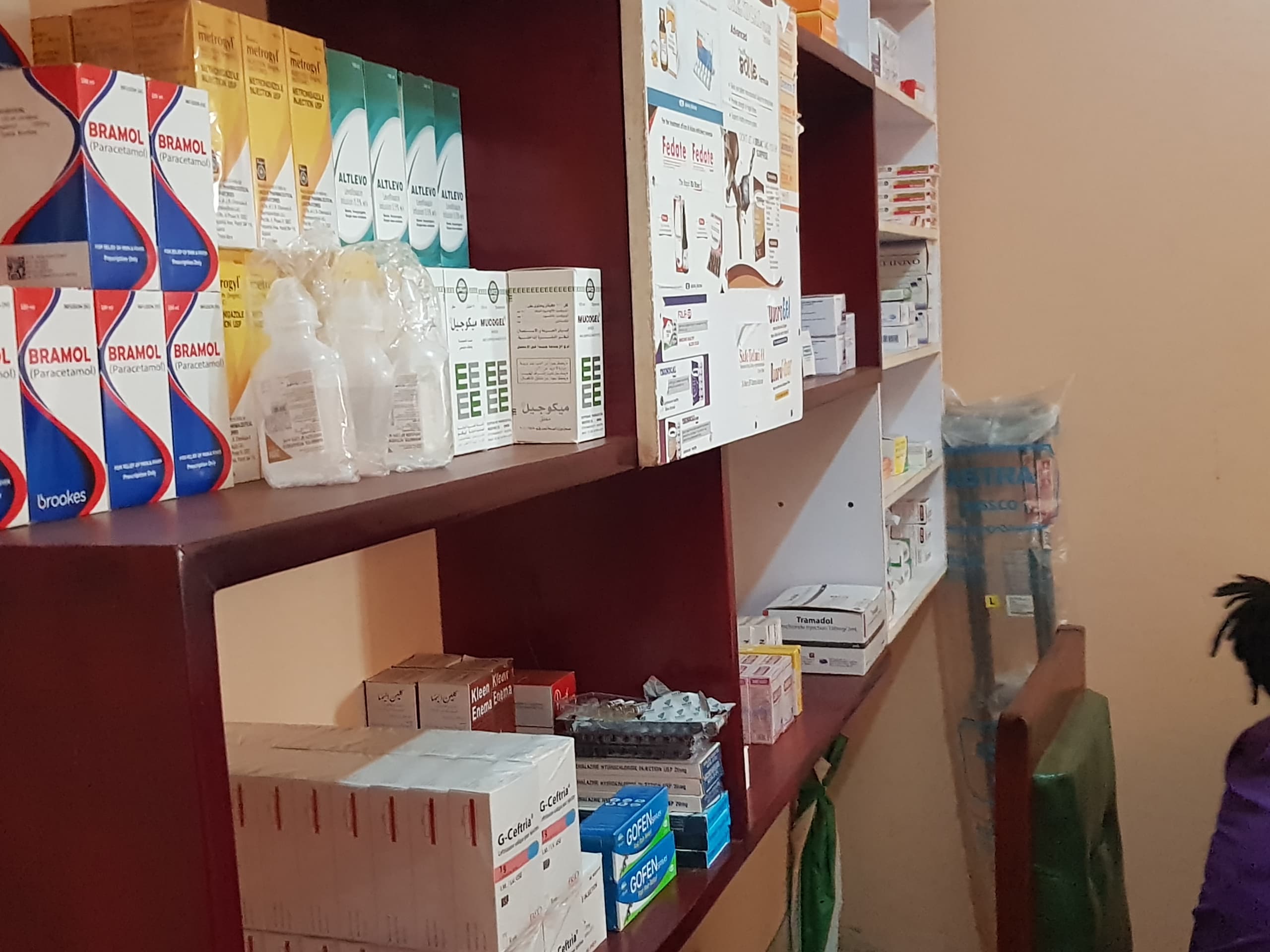
Visit Michoes Today

  • Get immediate help and diagnosis
  • Timely Prescriptions
  • Expert surgical and orthopedic care

Comments

Leave a Reply

Your email address will not be published. Required fields are marked *

  • Michoes Medical Centre – Your 24/7 Healthcare Partner in Kanyum, Kumi

    Michoes Medical Centre – Your 24/7 Healthcare Partner in Kanyum, Kumi

    Welcome to Michoes Medical Centre, your premier healthcare destination in Kanyum, Kumi. We are a state-of-the-art medical facility dedicated to providing exceptional care and compassionate service to our patients. Our centre is located in the heart of Kanyum Town, making us easily accessible from all corners of Eastern Uganda. Our experienced doctors and medical staff…

  • Expert Bronchoscopic Care in Kanyum, Kumi: Your Path to Better Breathing

    Expert Bronchoscopic Care in Kanyum, Kumi: Your Path to Better Breathing

    At Michoes Medical Centre, we understand the importance of quick and effective bronchoscopic care. Our experienced team, led by Dr. Michael Emusugut, is dedicated to providing you with the best possible treatment for your respiratory issues. A bronchoscopy is a medical device that lets doctors look into your lungs and airways. The procedure uses a…

  • Flu Symptoms: Should I see my doctor?

    Flu Symptoms: Should I see my doctor?

    The flu is a contagious respiratory illness caused by the influenza virus. It can lead to serious complications, including hospitalization and even death. While most people recover from the flu with rest and over-the-counter medications, some may need medical attention. Flu symptoms typically start within one to four days after exposure to the virus and…

  • Pulmonary Fibrosis Treatment at Michoes Medical Centre

    Pulmonary Fibrosis Treatment at Michoes Medical Centre

    Pulmonary fibrosis, or PF, is a condition where something scars and stiffens your lung tissue. It can make it hard for your lungs to work the right way. Your doctor will call it idiopathic pulmonary fibrosis, or IPF, if they’re not sure why it happened. Your symptoms, and how severe they are, depend on what’s…

  • Michoes Medical Centre – Preventing Pneumonia in Kanyum, Kumi District

    Michoes Medical Centre – Preventing Pneumonia in Kanyum, Kumi District

    Preventing pneumonia is one of the most effective ways to keep yourself and your family healthy. At Michoes Medical Centre, we provide comprehensive healthcare services to help you prevent and manage pneumonia. Our team of experienced doctors and specialists are committed to delivering high-quality care to our patients in Kanyum, Kumi District. Pneumonia is an…

  • Clogged Arteries: Causes, Symptoms, and Treatment Options

    Clogged Arteries: Causes, Symptoms, and Treatment Options

    Arterial plaque can reduce blood flow or, in some instances, block it altogether. Clogged arteries greatly increase the likelihood of heart attack, stroke, and even death. Because of these dangers, it is essential to be aware, no matter how old you are, of the causes of artery plaque and treatment strategies to prevent serious consequences.…

  • Pulmonary Vascular Disease: Symptoms, Causes, and Treatment Options

    Pulmonary Vascular Disease: Symptoms, Causes, and Treatment Options

    Pulmonary vascular disease is a condition that affects the blood vessels leading to or from the lungs. Most forms of pulmonary vascular disease cause shortness of breath. The definition of pulmonary vascular disease is simple: any condition that affects the blood vessels along the route between the heart and lungs. Blood travels from the heart,…

  • Pulmonary Arterial Hypertension (PAH) Treatment and Management

    Pulmonary Arterial Hypertension (PAH) Treatment and Management

    At Michoes Medical Centre, we offer comprehensive treatment and management options for patients with pulmonary arterial hypertension (PAH). Our team of expert doctors, led by Dr. Michael Emusugut, is dedicated to providing personalized care and addressing the unique needs of each patient. Understanding PAH PAH is a serious condition characterized by high blood pressure in…

  • COVID-19 Symptoms in Eastern Uganda: What to Look Out For

    COVID-19 Symptoms in Eastern Uganda: What to Look Out For

    Covid-19 symptoms may be subtle, but they can be telling. If you’ve had a cold or flu-like symptoms in late 2019 or early 2020, there’s a chance it might have been COVID-19. In this post, we’ll explore some of the key signs and symptoms to look out for, particularly in Eastern Uganda. Long-term symptoms Covid-19…

  • Covid-19 Antibody Testing: What You Need to Know

    Covid-19 Antibody Testing: What You Need to Know

    COVID-19 antibody testing is a blood test that checks for the presence of antibodies in your blood, which are proteins produced by your immune system in response to infection. The test can help determine if you have had COVID-19 or have been vaccinated against it. Covid-19 antibody tests require a blood sample, collected through a…