

Understanding Insulin and Diabetes: A Guide to Managing Blood Sugar Levels

Insulin is a hormone produced by the pancreas that regulates blood sugar levels in the body. When blood sugar is high, insulin helps to lower it by facilitating the uptake of glucose by cells.

What is Type 1 Diabetes?

Type 1 diabetes is an autoimmune disease where the immune system attacks and destroys beta cells in the pancreas that produce insulin. This results in a deficiency of insulin production, requiring daily insulin injections to control blood sugar levels.

The introduction of insulin shots as a treatment in the early 20th century revolutionized the management of type 1 diabetes and improved the outlook for people with this disease.

What is Type 2 Diabetes?

Type 2 diabetes is a progressive disease where the pancreas can still produce insulin, but it becomes less effective in releasing insulin. This leads to insulin resistance, making it harder for cells to use glucose for energy.

Weight gain and obesity are significant risk factors for developing type 2 diabetes, which can lead to complications such as kidney damage and vision impairment if left untreated.

Managing Blood Sugar Levels

Taking insulin injections is a crucial part of managing blood sugar levels in people with diabetes. Regular monitoring of blood glucose levels using a glucometer is also essential to ensure that treatment is effective and prevent complications.

A healthy diet, regular physical activity, and maintaining a healthy weight can help manage blood sugar levels and reduce the risk of developing type 2 diabetes.

Early Signs and Symptoms of Diabetes

Symptoms of diabetes can be mild and may not always be noticeable. Early signs and symptoms include increased thirst, frequent urination, blurred vision, and fatigue.

It is essential to recognize the early signs and symptoms of diabetes and seek medical attention promptly if you experience any of these symptoms.

The Importance of HbA1c

Hemoglobin A1c (HbA1c) is a blood test that measures average blood glucose levels over the past 2-3 months. It provides valuable information on how well diabetes is being managed and helps to guide treatment decisions.

Normal ranges for HbA1c vary depending on the individual’s specific needs, but generally range from 4-6%.

Managing Excessive Thirst

Excessive thirst is a common symptom of diabetes and can be caused by dehydration or an underlying medical condition. Drinking plenty of water and avoiding sugary drinks can help manage excessive thirst.

Consulting with your healthcare provider can help determine the underlying cause of excessive thirst and guide treatment options.

Diabetes Treatment Options

There are several treatment options available for diabetes, including insulin injections, oral medications, lifestyle modifications, and alternative therapies.

A healthcare professional can help determine the best course of treatment based on individual needs and medical history.

Tips for Managing Blood Sugar Levels

Here are some tips to help manage blood sugar levels:

  • Monitor your blood glucose levels regularly using a glucometer.
  • Eat a balanced diet that includes plenty of fruits, vegetables, and whole grains.
  • Avoid sugary drinks and limit your intake of processed foods.
  • Engage in regular physical activity, such as walking or exercise.

By following these tips and working closely with your healthcare provider, you can effectively manage blood sugar levels and reduce the risk of developing complications from diabetes.

Get Tested for Diabetes

If you are at risk for developing type 2 diabetes or experience symptoms of diabetes, get tested. Regular testing can help identify early signs and symptoms and prevent complications.

Call us now at [phone number] to schedule an appointment with one of our healthcare professionals.
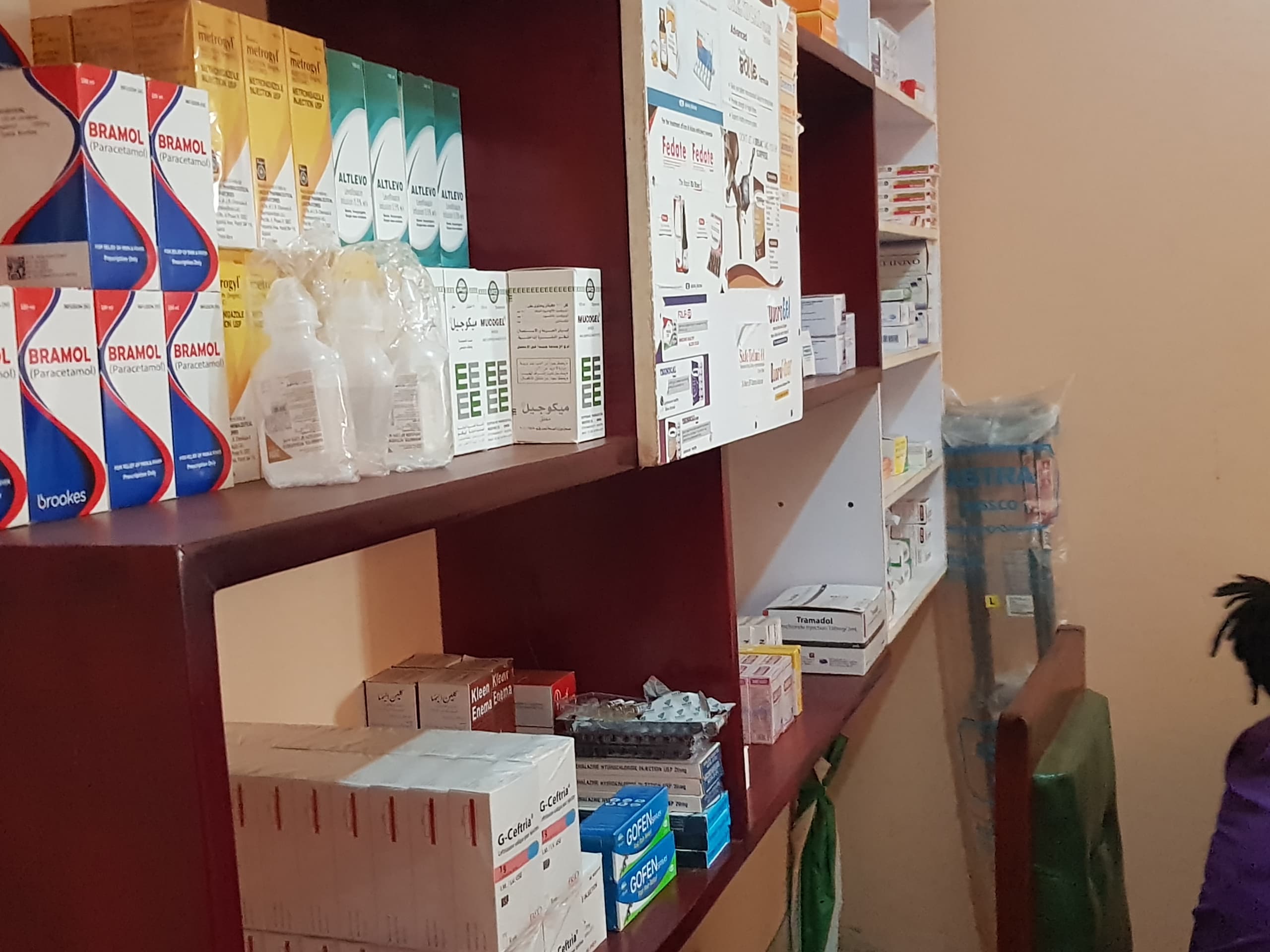
Visit Michoes Today

  • Get immediate help and diagnosis
  • Timely Prescriptions
  • Expert surgical and orthopedic care

Comments

Leave a Reply

Your email address will not be published. Required fields are marked *

  • Understanding Blood Vessels: A Guide to Arteries, Veins, and Capillaries

    Understanding Blood Vessels: A Guide to Arteries, Veins, and Capillaries

    Blood vessels are small tube-like structures that transport blood throughout your body. They come in three types: arteries, veins, and capillaries. Each plays an important role in carrying oxygenated blood away from the heart and delivering it to the body’s tissues. Characteristics of Arteries: ———————— * Carrying oxygenated blood away from the heart * Thick…

  • Michoes Medical Centre – Your Trusted Partner in Heart Health in Eastern Uganda

    Michoes Medical Centre – Your Trusted Partner in Heart Health in Eastern Uganda

    Lorem ipsum dolor sit amet, consectetur adipiscing elit. At Michoes Medical Centre, we understand the importance of heart health in Eastern Uganda. Our team of experienced doctors and medical specialists are committed to providing compassionate and expert care to individuals with heart disease. Our services include diagnosis, treatment, and management of various types of heart…

  • What You Need to Know About Atrial Fibrillation (AFib)

    What You Need to Know About Atrial Fibrillation (AFib)

    Atrial fibrillation, or AFib, is a type of arrhythmia where the heart beats irregularly and too quickly. This can increase your risk for stroke, heart failure, and other complications. If you have AFib, it’s essential to understand what medications to avoid and how to manage your symptoms. NSAIDs like ibuprofen and naproxen are over-the-counter pain…

  • Anion Gap Blood Test: What You Need to Know

    Anion Gap Blood Test: What You Need to Know

    The anion gap blood test measures the balance of acid and base in your blood. It’s a simple test that can help diagnose medical conditions, such as diabetes, kidney disease, and liver disease. During the test, a needle is used to take some blood from a vein in your arm. The blood sample is then…

  • Duodenitis: Symptoms, Causes, and Treatment Options at Michoes Medical Centre

    Duodenitis: Symptoms, Causes, and Treatment Options at Michoes Medical Centre

    Duodenitis is an intestinal condition caused by inflammation in the lining of your duodenum. The duodenum is the first part of your digestive tract that’s responsible for breaking down and digesting your food. Symptoms can include digestive problems such as bloating, gas, and cramping. At Michoes Medical Centre, we provide expert treatment options for duodenitis.…

  • Michoes Medical Centre: Your 24/7 Partner in Healthcare, Eastern Uganda

    Michoes Medical Centre: Your 24/7 Partner in Healthcare, Eastern Uganda

    Michoes Medical Centre is a leading healthcare provider dedicated to delivering high-quality, compassionate care to the people of Kanyum, Kumi, Soroti, Bukedea, Ngora, Katakwi, and all of Eastern Uganda. Our state-of-the-art facility offers a range of services, from primary care to specialty care, ensuring that our patients receive the best possible treatment for their unique…

  • Stem Cells: Understanding Their Potential and Risks

    Stem Cells: Understanding Their Potential and Risks

    Stem cells have the ability to differentiate into various cell types, making them a promising area of research for medical treatments. However, it’s essential to understand their potential benefits and risks. There are two main types of stem cells: embryonic and adult. Embryonic stem cells have the potential to become any type of cell in…

  • Understanding Non-Hodgkin Lymphoma: Causes, Symptoms, and Treatment Options

    Understanding Non-Hodgkin Lymphoma: Causes, Symptoms, and Treatment Options

    Non-Hodgkin lymphoma (NHL) is a type of cancer that affects the immune system. It is characterized by an overgrowth of abnormal white blood cells called lymphocytes, which can accumulate in various parts of the body, including the lymph nodes, spleen, and bone marrow. Causes and Risk Factors While the exact cause of NHL is still…

  • Understanding Leukemia: Causes, Symptoms, and Treatment Options

    Understanding Leukemia: Causes, Symptoms, and Treatment Options

    Leukemia is a type of blood cancer that affects the bone marrow, which makes blood. It’s essential to understand the causes, symptoms, and treatment options for leukemia to ensure timely diagnosis and effective management. Causes of Leukemia The exact cause of leukemia is still unknown, but it’s believed to be related to genetic mutations or…

  • Calcium and Bone Health: What You Need to Know

    Calcium and Bone Health: What You Need to Know

    Calcium is an essential mineral that plays a crucial role in maintaining strong bones, teeth, and cells. In this article, we’ll delve into the world of calcium and bone health, exploring what you need to know to keep your bones strong and healthy. Calcium is abundant in our bodies, with most of it stored in…