
Understanding and Managing Diabetic Gastroparesis

Diabetic gastroparesis is a complication of having uncontrolled or poorly controlled type 1 or type 2 diabetes. It happens when high blood sugar levels start affecting your stomach muscles and cells, causing problems with how food leaves your stomach.

When you have it, you’ll most likely have nausea. See a doctor if you have these symptoms and others like unexplained weight loss or weight gain, vomiting, and loss of appetite. Although there is no cure, treating high blood sugar levels, diligently taking other medicines your doctor recommends, and changing your diet and eating habits can help.

Controlling your blood sugar helps. Ask your doctor if you should change when and how often you use insulin, and check your sugar levels more often. There are many treatment options for diabetic gastroparesis.

Medications For some people with gastroparesis, medications can help. Metoclopramide (Reglan) is the only FDA-approved medication for gastroparesis. It makes your stomach muscles move, which helps food leave your stomach. It may also prevent nausea and vomiting.

Other medications that can ease gastroparesis symptoms include:

* Talk with your doctor about whether you should stop or change medications that might worsen gastroparesis.
* These include antidepressants, high blood pressure drugs, and certain diabetes treatments.

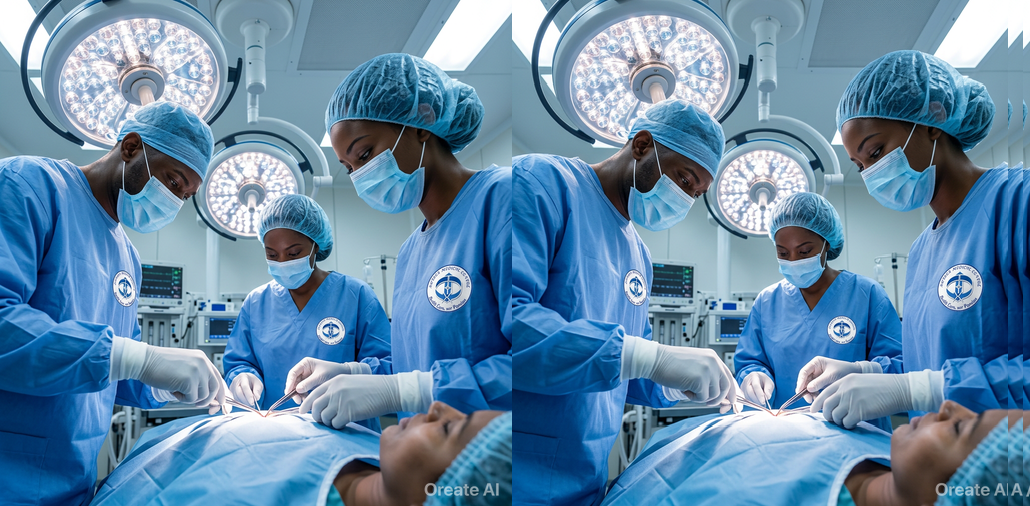
Procedures With a procedure called gastric electrical stimulation, a surgically implanted device sends brief, low-energy impulses to your stomach to help with nausea and vomiting. In extreme cases, you may need a feeding tube (also called a jejunostomy tube).

A surgeon will put a special tube through your abdominal wall directly into your small intestine. You “eat” specially made liquid meals through the tube instead of food going through your stomach.

When you have diabetes, one of the best ways to help control the symptoms of gastroparesis is to vary when and how you eat. Instead of three times a day, you can have six small meals. You’ll have less food in your stomach, so you won’t feel as full. It’ll be easier for the food to leave your stomach, too.

Also, pay attention to the texture of food. Liquids and things that are easy to digest are a good idea. For example, choose applesauce instead of whole apples. You can also try soups or pureeing your food.

Avoid foods that are high in fat, which can slow down digestion. Watch out for fiber, which takes longer for your body to process. Working with a dietitian to manage your diet can also help. They may recommend a plan that involves reducing how much fat you take to 25% to 30% of total calories and reducing your fiber intake to 15 grams for every 1,000 calories you have.

Some other tips include:

* Reducing your intake of fatty and high-fiber foods
* Eating easy-to-digest foods
* Having smaller meals more often

For more information on managing diabetic gastroparesis, schedule an appointment with Dr. Jane Smith at Michoes Medical Centre. Call us now at 555-1234 to learn more about how we can help.

Targeted CTA: Contact Michoes Medical Centre today to schedule a consultation and take the first step towards managing your diabetic gastroparesis.
Visit Michoes Today

  • Get immediate help and diagnosis
  • Timely Prescriptions
  • Expert surgical and orthopedic care

Comments

Leave a Reply

Your email address will not be published. Required fields are marked *

  • Sickle Cell Disease: Causes, Symptoms, Treatment, and Prevention

    Sickle Cell Disease: Causes, Symptoms, Treatment, and Prevention

    Sickle cell disease is a genetic disorder that affects the shape of hemoglobin in red blood cells, leading to a range of complications. It’s caused by a mutation in the HBB gene, which codes for the beta-globin subunit of hemoglobin. This mutation causes the production of abnormal hemoglobin, resulting in misshapen red blood cells that…

  • Lower Leg Pain: Causes, Symptoms, and Treatment Options at Michoes Medical Centre

    Lower Leg Pain: Causes, Symptoms, and Treatment Options at Michoes Medical Centre

    Discover the causes of lower leg pain, including conditions ranging from torn tendons to diabetic neuropathy. At Michoes Medical Centre, our team of experts is here to help you understand your symptoms and provide effective treatment options. Lower leg pain can be caused by a variety of factors, including: Deep Vein Thrombosis (DVT): A blood…

  • Relief for Lower Leg Pain: Treatment and Prevention at Michoes Medical Centre

    Relief for Lower Leg Pain: Treatment and Prevention at Michoes Medical Centre

    Muscle cramp. It can strike in your sleep or in the middle of the day. This sudden, tight, intense lower leg pain is sometimes called a “charley horse.” When it takes a grip, it can get worse quickly. It happens when your muscles are tired or dehydrated. Drink more water or fluids with electrolytes if…

  • Understanding and Managing Deep Vein Thrombosis (DVT)

    Understanding and Managing Deep Vein Thrombosis (DVT)

    Deep Vein Thrombosis (DVT) is a serious medical condition that occurs when a blood clot forms in a deep vein, typically in the legs. It can be life-threatening if left untreated or if the clot breaks loose and travels to the lungs, causing a pulmonary embolism. Causes and Risk Factors DVT can be caused by…

  • # Blood Clots: Warning Signs, Risks, and Prevention

    # Blood Clots: Warning Signs, Risks, and Prevention

    Blood clots are a collection of blood cells and other material that forms to stop bleeding if you have a cut or are injured. Sometimes, blood clots don’t break apart after they’ve done their job. This can cause lots of problems in different parts of your body. People who recently had surgery, are not physically…

  • # Understanding Paroxysmal Atrial Fibrillation

    # Understanding Paroxysmal Atrial Fibrillation

    Paroxysmal atrial fibrillation (AFib) is a type of irregular heartbeat that can cause symptoms such as palpitations, dizziness, and shortness of breath. It’s essential to seek medical attention if you experience any of these symptoms. AFib episodes are often triggered by stress, anxiety, or certain medications. Some people may also have underlying health conditions that…

  • Knee Pain: Causes, Symptoms, and Treatment Options

    Knee Pain: Causes, Symptoms, and Treatment Options

    Knee pain is a common condition that can affect anyone, regardless of age or activity level. It can be caused by a variety of factors, including injuries, overuse, or underlying medical conditions. There are several types of knee pain, including osteoarthritis, patellofemoral pain syndrome, and meniscus tears. Osteoarthritis is the most common type of knee…

  • Michoes Medical Centre: Your 24/7 Partner in Healthcare for Kanyamulijjili, Uganda

    Michoes Medical Centre: Your 24/7 Partner in Healthcare for Kanyamulijjili, Uganda

    Michoes Medical Centre is your trusted healthcare partner for all medical needs in Kanyamulijjili and surrounding areas. Our state-of-the-art facility is equipped with the latest technology to provide you with quality medical care, 24 hours a day, 7 days a week. Services We Offer We offer a wide range of services, including: Orthopedic Services General…

  • Michoes Medical Centre: Your 24/7 Healthcare Partner in Eastern Uganda

    Michoes Medical Centre: Your 24/7 Healthcare Partner in Eastern Uganda

    Hello, we’re Michoes Medical Centre. Located in Kanyum, Kumi District, we provide comprehensive healthcare services that are close, kind, and competent. Our doors are always open, ready to welcome you for 24/7 medical care. We understand the unique health challenges faced by communities in Eastern Uganda, particularly in Kumi, Soroti, Bukedea, Ngora, and Katakwi districts.…

  • Michoes Medical Centre: Expert Care for Acid Reflux and GERD

    Michoes Medical Centre: Expert Care for Acid Reflux and GERD

    When stomach acid flows the wrong way — back into the tube that connects your throat to your stomach (your esophagus) — that’s called acid reflux. If it happens often and doesn’t get better, it’s called gastroesophageal reflux disease (GERD). Symptoms include chest pain, a cough, and trouble swallowing, especially when you lie down. Sometimes…