

Understanding and Managing Diabetic Gastroparesis

Diabetic gastroparesis is a complication of having uncontrolled or poorly controlled type 1 or type 2 diabetes. It happens when high blood sugar levels start affecting your stomach muscles and cells, causing problems with how food leaves your stomach.

When you have it, you’ll most likely have nausea. See a doctor if you have these symptoms and others like unexplained weight loss or weight gain, vomiting, and loss of appetite. Although there is no cure, treating high blood sugar levels, diligently taking other medicines your doctor recommends, and changing your diet and eating habits can help.

Controlling your blood sugar helps. Ask your doctor if you should change when and how often you use insulin, and check your sugar levels more often. There are many treatment options for diabetic gastroparesis.

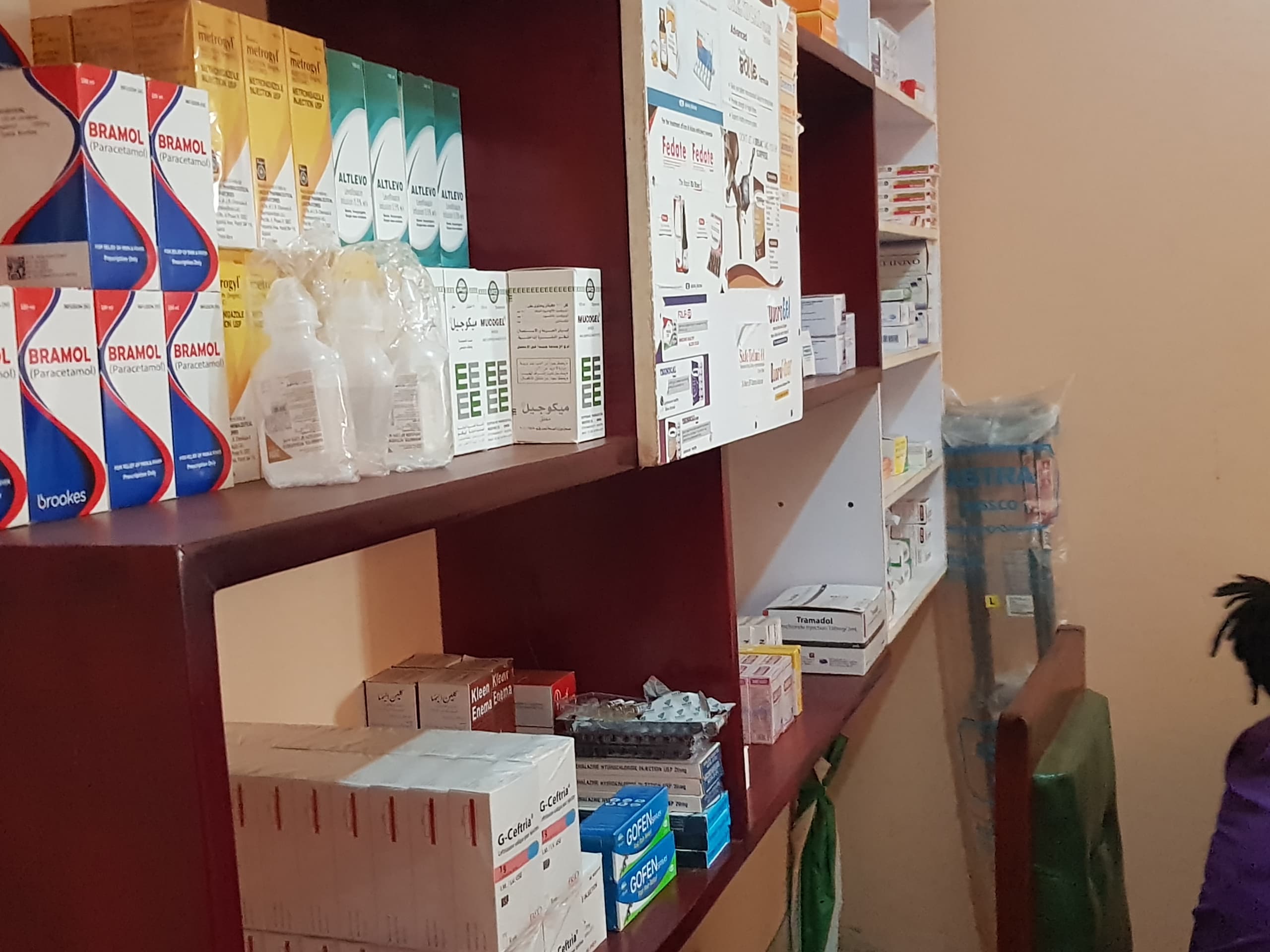
Medications For some people with gastroparesis, medications can help. Metoclopramide (Reglan) is the only FDA-approved medication for gastroparesis. It makes your stomach muscles move, which helps food leave your stomach. It may also prevent nausea and vomiting.

Other medications that can ease gastroparesis symptoms include:

* Talk with your doctor about whether you should stop or change medications that might worsen gastroparesis.
* These include antidepressants, high blood pressure drugs, and certain diabetes treatments.

Procedures With a procedure called gastric electrical stimulation, a surgically implanted device sends brief, low-energy impulses to your stomach to help with nausea and vomiting. In extreme cases, you may need a feeding tube (also called a jejunostomy tube).

A surgeon will put a special tube through your abdominal wall directly into your small intestine. You “eat” specially made liquid meals through the tube instead of food going through your stomach.

When you have diabetes, one of the best ways to help control the symptoms of gastroparesis is to vary when and how you eat. Instead of three times a day, you can have six small meals. You’ll have less food in your stomach, so you won’t feel as full. It’ll be easier for the food to leave your stomach, too.

Also, pay attention to the texture of food. Liquids and things that are easy to digest are a good idea. For example, choose applesauce instead of whole apples. You can also try soups or pureeing your food.

Avoid foods that are high in fat, which can slow down digestion. Watch out for fiber, which takes longer for your body to process. Working with a dietitian to manage your diet can also help. They may recommend a plan that involves reducing how much fat you take to 25% to 30% of total calories and reducing your fiber intake to 15 grams for every 1,000 calories you have.

Some other tips include:

* Reducing your intake of fatty and high-fiber foods
* Eating easy-to-digest foods
* Having smaller meals more often

For more information on managing diabetic gastroparesis, schedule an appointment with Dr. Jane Smith at Michoes Medical Centre. Call us now at 555-1234 to learn more about how we can help.

Targeted CTA: Contact Michoes Medical Centre today to schedule a consultation and take the first step towards managing your diabetic gastroparesis.
Visit Michoes Today

  • Get immediate help and diagnosis
  • Timely Prescriptions
  • Expert surgical and orthopedic care

Comments

Leave a Reply

Your email address will not be published. Required fields are marked *

  • Controla tu diabetes con estos 10 consejos sencillos

    Controla tu diabetes con estos 10 consejos sencillos

    ¿Estás tratando de controlar tu diabetes? ¿Sabes que es importante realizar un seguimiento de tus niveles de azúcar en la sangre? Pero ¿cómo manejas un pico que aparece después de comer? A esto se le llama glucosa en sangre ‘posprandial’ y, si tomas algunas medidas sencillas, puedes controlarla y ayudar a evitar problemas de salud.…

  • Managing Diabetic Peripheral Neuropathy: Know Your Treatment Plan

    Managing Diabetic Peripheral Neuropathy: Know Your Treatment Plan

    Diabetic peripheral neuropathy (DPN) is a type of nerve damage that can occur in people with diabetes. It affects the nerves outside of the brain and spinal cord, and can cause numbness, pain, and weakness in the hands and feet. Managing DPN requires a comprehensive treatment plan that addresses four main areas: blood glucose control,…

  • Michoes Medical Centre: Your Partner in Healthcare for Kanyum, Kumi District and Beyond

    Michoes Medical Centre: Your Partner in Healthcare for Kanyum, Kumi District and Beyond

    Located in the heart of Kanyum, Kumi District, Michoes Medical Centre is your trusted healthcare partner, offering a wide range of medical services with a focus on patient care and accessibility. As the only 24/7 private medical centre in Kanyum, we cater to the health needs of individuals across Eastern Uganda, including Kumi, Soroti, Bukedea,…

  • Burning Sensation in Your Feet: Causes, Treatment and Management

    Burning Sensation in Your Feet: Causes, Treatment and Management

    Are you experiencing a burning sensation in your feet? It could be due to various reasons such as diabetes, vitamin deficiencies, or other medical conditions. At Michoes Medical Centre, we provide effective treatment options to manage this condition. Causes of Burning Sensation in Feet: Diabetes is a common cause of burning sensation in the feet.…

  • Managing Diabetes at Michoes Medical Centre, Kumi

    Managing Diabetes at Michoes Medical Centre, Kumi

    Diabetes is a lifelong disease that requires careful management and control. At Michoes Medical Centre, our team of experts is dedicated to providing you with the best possible care to help you manage your condition effectively. Causes of Excessive Thirst and When to Seek Medical Advice Excessive thirst can be a symptom of diabetes, as…

  • Michoes Medical Centre: Your 24/7 Healthcare Partner in Kanyum, Kumi District

    Michoes Medical Centre: Your 24/7 Healthcare Partner in Kanyum, Kumi District

    Michoes Medical Centre is your trusted healthcare partner in Kanyum, Kumi District, Eastern Uganda. We are committed to providing advanced, compassionate, and patient-first care to our communities. Our state-of-the-art facilities and experienced medical team ensure that you receive the highest quality care, anytime and anywhere. With a wide range of services, including family medicine, chronic…

  • Michoes Medical Centre: Your 24/7 Healthcare Partner in Kanyum, Kumi

    Michoes Medical Centre: Your 24/7 Healthcare Partner in Kanyum, Kumi

    kanyum, kumi district, eastern uganda is home to michoes medical centre, a premier healthcare facility dedicated to providing compassionate and patient-first care. as the only 24/7 private medical centre in kanyum, we offer a serene and welcoming environment for communities across eastern uganda. our state-of-the-art facilities are equipped with on-site laboratory services, rapid malaria tests,…

  • Michoes Medical Centre: Your Trusted Partner for 24/7 Healthcare in Kanyum, Kumi District

    Michoes Medical Centre: Your Trusted Partner for 24/7 Healthcare in Kanyum, Kumi District

    Welcome to Michoes Medical Centre, your premier healthcare destination in Kanyum, Kumi District. Our state-of-the-art facility is dedicated to providing high-quality medical care with a personal touch. With our team of experienced and compassionate doctors, we strive to make your healthcare experience as smooth and stress-free as possible. We understand the importance of timely and…

  • Family Doctor in Kumi – Michoes Medical Centre 24/7 Private Clinic

    Family Doctor in Kumi – Michoes Medical Centre 24/7 Private Clinic

    Get the best family doctor in Kumi at Michoes Medical Centre. Our experienced doctors are dedicated to providing high-quality, personalized care for all your family’s medical needs. At Michoes Medical Centre, we understand that finding a trustworthy healthcare provider can be challenging. That’s why we’re committed to delivering exceptional patient care and building strong relationships…

  • The Importance of Understanding Coronary Artery Disease

    The Importance of Understanding Coronary Artery Disease

    Coronary artery disease is a group of conditions that affect the heart and blood vessels. These can include problems you’re born with, heart valves that don’t work the way they should, and an irregular heart rhythm. Coronary artery disease is the top killer of both men and women, but there are ways to stop it.…