

Understanding and Managing Diabetic Gastroparesis

Diabetic gastroparesis is a complication of having uncontrolled or poorly controlled type 1 or type 2 diabetes. It happens when high blood sugar levels start affecting your stomach muscles and cells, causing problems with how food leaves your stomach.

When you have it, you’ll most likely have nausea. See a doctor if you have these symptoms and others like unexplained weight loss or weight gain, vomiting, and loss of appetite. Although there is no cure, treating high blood sugar levels, diligently taking other medicines your doctor recommends, and changing your diet and eating habits can help.

Controlling your blood sugar helps. Ask your doctor if you should change when and how often you use insulin, and check your sugar levels more often. There are many treatment options for diabetic gastroparesis.

Medications For some people with gastroparesis, medications can help. Metoclopramide (Reglan) is the only FDA-approved medication for gastroparesis. It makes your stomach muscles move, which helps food leave your stomach. It may also prevent nausea and vomiting.

Other medications that can ease gastroparesis symptoms include:

* Talk with your doctor about whether you should stop or change medications that might worsen gastroparesis.
* These include antidepressants, high blood pressure drugs, and certain diabetes treatments.

Procedures With a procedure called gastric electrical stimulation, a surgically implanted device sends brief, low-energy impulses to your stomach to help with nausea and vomiting. In extreme cases, you may need a feeding tube (also called a jejunostomy tube).

A surgeon will put a special tube through your abdominal wall directly into your small intestine. You “eat” specially made liquid meals through the tube instead of food going through your stomach.

When you have diabetes, one of the best ways to help control the symptoms of gastroparesis is to vary when and how you eat. Instead of three times a day, you can have six small meals. You’ll have less food in your stomach, so you won’t feel as full. It’ll be easier for the food to leave your stomach, too.

Also, pay attention to the texture of food. Liquids and things that are easy to digest are a good idea. For example, choose applesauce instead of whole apples. You can also try soups or pureeing your food.

Avoid foods that are high in fat, which can slow down digestion. Watch out for fiber, which takes longer for your body to process. Working with a dietitian to manage your diet can also help. They may recommend a plan that involves reducing how much fat you take to 25% to 30% of total calories and reducing your fiber intake to 15 grams for every 1,000 calories you have.

Some other tips include:

* Reducing your intake of fatty and high-fiber foods
* Eating easy-to-digest foods
* Having smaller meals more often

For more information on managing diabetic gastroparesis, schedule an appointment with Dr. Jane Smith at Michoes Medical Centre. Call us now at 555-1234 to learn more about how we can help.

Targeted CTA: Contact Michoes Medical Centre today to schedule a consultation and take the first step towards managing your diabetic gastroparesis.
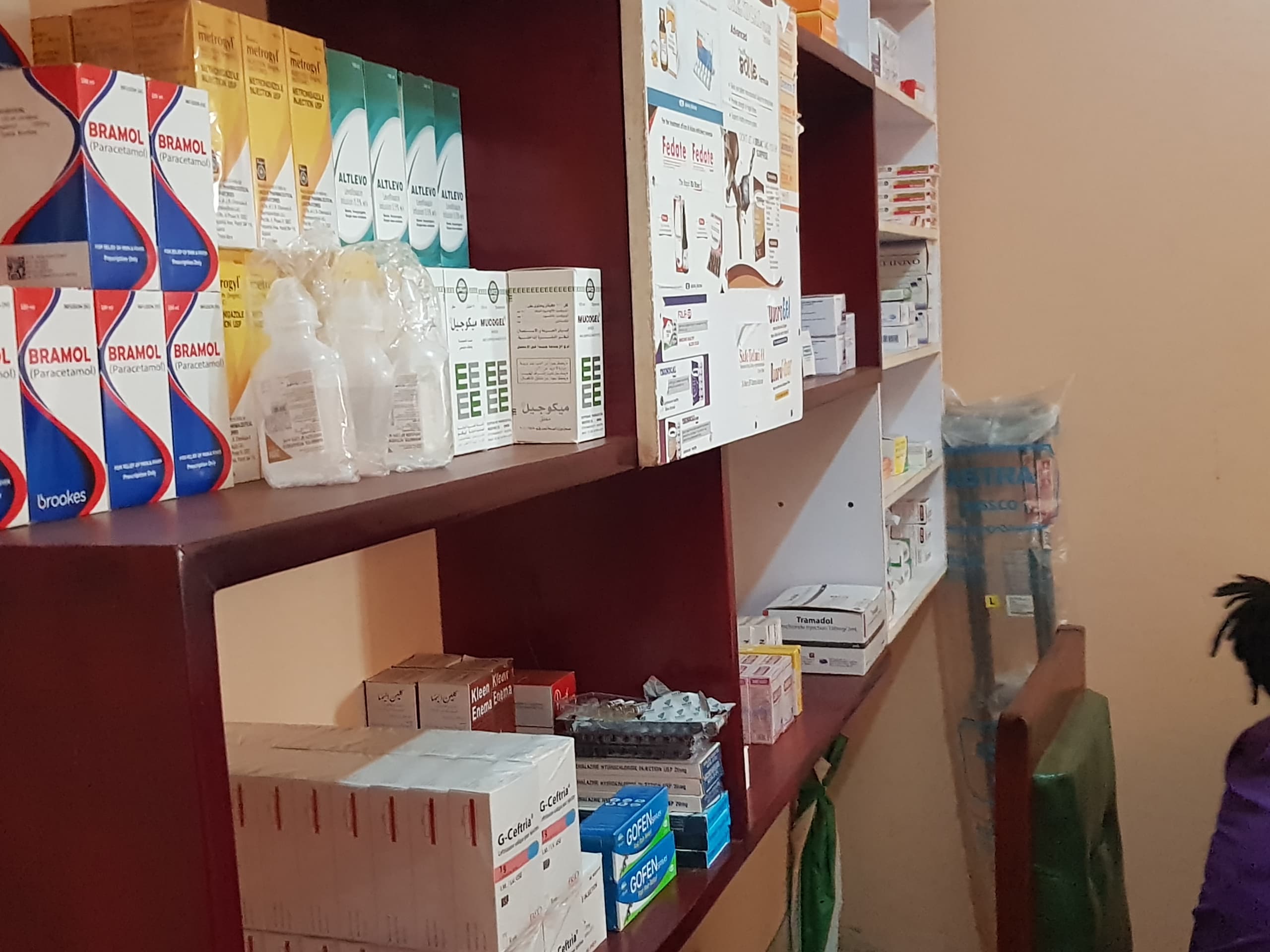
Visit Michoes Today

  • Get immediate help and diagnosis
  • Timely Prescriptions
  • Expert surgical and orthopedic care

Comments

Leave a Reply

Your email address will not be published. Required fields are marked *

  • Over-the-Counter Pain Relievers for Arthritis: What You Need to Know

    Over-the-Counter Pain Relievers for Arthritis: What You Need to Know

    Arthritis is a common condition that affects millions of people worldwide. While there are many treatment options available, over-the-counter (OTC) pain relievers can be an effective way to manage symptoms. However, it’s essential to understand the different types of OTC pain relievers and how they work. Understanding Over-the-Counter Pain Relievers Otc pain relievers come in…

  • Understanding Arthritis: Types, Symptoms, and Treatment Options

    Understanding Arthritis: Types, Symptoms, and Treatment Options

    The most common type of arthritis is osteoarthritis (OA), which affects adults over age 50. It can also occur in younger people after a joint injury. Other types include rheumatoid arthritis (RA) and psoriatic arthritis (PsA). Symptoms vary depending on the type of arthritis, but they often include pain, swelling, and stiffness in the affected…

  • Orthopedic Doctors: What You Need to Know

    Orthopedic Doctors: What You Need to Know

    An orthopedic doctor, also known as an orthopedist, is a medical professional who specializes in the diagnosis and treatment of disorders and injuries affecting the musculoskeletal system, which includes bones, joints, muscles, tendons, and ligaments. If you’re experiencing joint pain, inflammation, or difficulty moving, it’s essential to consider visiting an orthopedic doctor. They can provide…

  • Michoes Medical Centre – Your 24/7 Health Companion in Kanyum, Kumi District

    Michoes Medical Centre – Your 24/7 Health Companion in Kanyum, Kumi District

    Welcome to Michoes Medical Centre, your trusted healthcare partner in the heart of Eastern Uganda. As a pioneering medical centre in Kanyum, Kumi District, we offer advanced, compassionate, and patient-first care to communities across Soroti, Bukedea, Ngora, Katakwi, Amuria, Kaberamaido, Pallisa, Tororo, Mbale, and Jinja. Our mission is to provide exceptional healthcare in a serene…

  • Understanding Breast Rashes and Their Causes

    Understanding Breast Rashes and Their Causes

    Breast rashes can be caused by a variety of factors, including infections, skin conditions, and hormonal changes. In most cases, they are not a sign of breast cancer, but it’s essential to seek medical attention if you experience any unusual symptoms. Mastitis is an inflammation of the breast tissue that can cause pain, swelling, and…

  • Breast Cancer Awareness: Famous Celebrities Share Their Stories

    Breast Cancer Awareness: Famous Celebrities Share Their Stories

    Breast cancer is a leading cause of death among women worldwide, but there is hope. Many famous celebrities have bravely shared their personal experiences with breast cancer, raising awareness and inspiring others to get screened. Shannen Doherty’s Stage 4 Breast Cancer Diagnosis Actress Shannen Doherty recently revealed her stage 4 breast cancer diagnosis and how…

  • Breast Biopsy: What to Expect at Michoes Medical Centre

    Breast Biopsy: What to Expect at Michoes Medical Centre

    A breast biopsy is a procedure in which your doctor takes out cells or a small piece of tissue from part of your breast. They look at it under a microscope for signs of cancer. It’s the only way to know for sure if a possible trouble spot is cancer. If your doctor finds something…

  • Michoes Medical Centre – Your Trusted Partner in Healthcare for Kanyum, Kumi, Soroti, and Beyond

    Michoes Medical Centre – Your Trusted Partner in Healthcare for Kanyum, Kumi, Soroti, and Beyond

    Located in the heart of Kanyum, Michoes Medical Centre is your premier healthcare destination for comprehensive medical care. Our state-of-the-art facility is equipped with cutting-edge technology and staffed by experienced doctors who are dedicated to providing you with the best possible care. We offer a wide range of services, including orthopedic surgery, general surgery, pediatrics,…

  • Understanding HR+ Breast Cancer Treatment Options

    Understanding HR+ Breast Cancer Treatment Options

    Living with breast cancer can be overwhelming, especially when it comes to treatment options. If you’ve been diagnosed with HR+, or hormone receptor-positive, breast cancer, your doctor may have recommended a combination of treatments tailored to your unique situation. HR+ breast cancer is characterized by the presence of estrogen receptors on cancer cells. Estrogen can…

  • Managing Adult ADHD: Lifestyle and Diet Changes Can Help

    Managing Adult ADHD: Lifestyle and Diet Changes Can Help

    Adult ADHD can affect your whole life, but with medication and lifestyle changes, you can take steps to make your day-to-day a little easier. No single habit will fix everything, but a mix of lifestyle and diet changes can help. ADHD raises your chances of obesity. Experts aren’t exactly sure why, but you might not…