
The Respiratory System: Understanding Your Lungs and Breathing

Your respiratory system is a complex network of organs and tissues that work together to bring oxygen into your body and remove carbon dioxide. This vital function is essential for the proper functioning of your cells, and any problems with your respiratory system can have serious consequences.

The respiratory system is divided into two parts: the upper respiratory tract and the lower respiratory tract. The upper respiratory tract includes the nose, mouth, throat, and voice box, while the lower respiratory tract includes the trachea, bronchi, and lungs.

How Does Breathing Work?

Breathing is a complex process that involves multiple muscles working together to expand and contract the lungs. The main muscle involved in breathing is the diaphragm, which separates the chest cavity from the abdominal cavity. When you inhale, your diaphragm contracts and moves downward, creating a vacuum that draws air into your lungs.

As you exhale, your diaphragm relaxes and moves upward, pushing on your lungs and causing them to deflate. This process is repeated continuously, allowing your body to bring in oxygen and remove carbon dioxide.

What Doctor Specializes in the Respiratory System?

Pulmonologists are medical doctors who specialize in the diagnosis and treatment of disorders related to the respiratory system. They can help diagnose a range of conditions, from asthma and COPD to pneumonia and tuberculosis.

Other medical professionals, such as emergency medicine physicians and cardiologists, may also be involved in the care of patients with respiratory problems.

How Can You Keep Your Respiratory System Healthy?

There are several ways to keep your respiratory system healthy:

  • Practice good hygiene by washing your hands frequently, especially during cold and flu season
  • Avoid smoking and secondhand smoke
  • Get regular exercise to improve lung function
  • Eat a balanced diet rich in fruits, vegetables, and whole grains
  • Avoid exposure to pollutants and allergens

What Are the Symptoms of Respiratory Problems?

Symptoms of respiratory problems can vary depending on the underlying condition. Some common symptoms include:

  • Chest pain or tightness
  • Difficulty breathing
  • Fatigue or weakness
  • Confusion or disorientation

What to Do If You’re Experiencing Respiratory Symptoms?

If you’re experiencing respiratory symptoms, it’s essential to seek medical attention. Here are some steps you can take:

  • Call your doctor or visit an urgent care center if you’re experiencing severe symptoms
  • Use over-the-counter medications such as cough suppressants and expectorants to help manage symptoms
  • Avoid smoking and secondhand smoke to reduce the risk of respiratory problems
  • Get vaccinated against flu and pneumonia each year

Learn More About Respiratory Health at [Your Phone Number] or [Your Location]

For more information on respiratory health, including symptoms, treatment options, and prevention strategies, call your doctor or visit an urgent care center. You can also learn more by visiting our website or speaking with a healthcare professional.
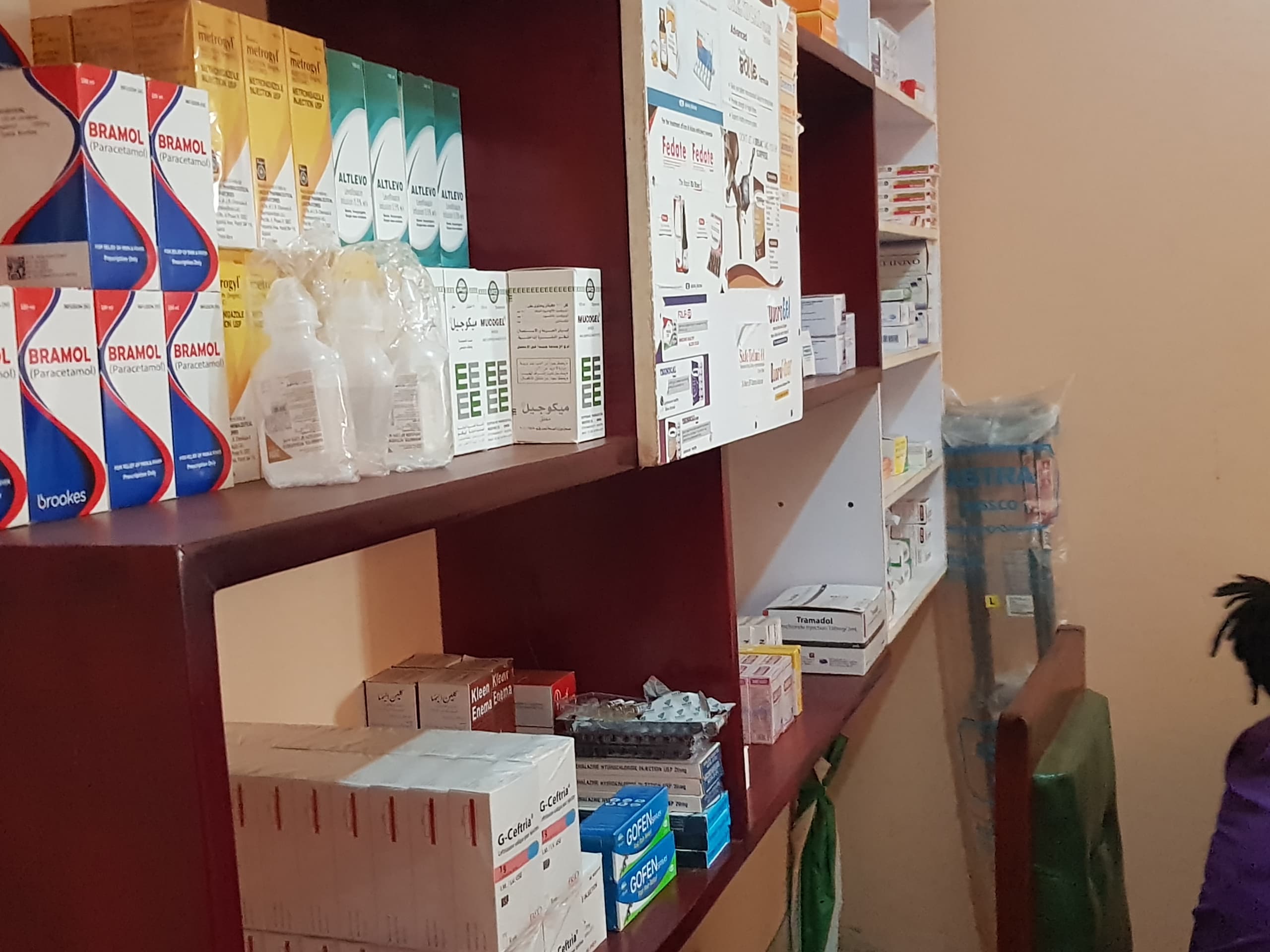
Visit Michoes Today

  • Get immediate help and diagnosis
  • Timely Prescriptions
  • Expert surgical and orthopedic care

Comments

Leave a Reply

Your email address will not be published. Required fields are marked *

  • Sickle Cell Disease: Causes, Symptoms, Treatment, and Prevention

    Sickle Cell Disease: Causes, Symptoms, Treatment, and Prevention

    Sickle cell disease is a genetic disorder that affects the shape of hemoglobin in red blood cells, leading to a range of complications. It’s caused by a mutation in the HBB gene, which codes for the beta-globin subunit of hemoglobin. This mutation causes the production of abnormal hemoglobin, resulting in misshapen red blood cells that…

  • Lower Leg Pain: Causes, Symptoms, and Treatment Options at Michoes Medical Centre

    Lower Leg Pain: Causes, Symptoms, and Treatment Options at Michoes Medical Centre

    Discover the causes of lower leg pain, including conditions ranging from torn tendons to diabetic neuropathy. At Michoes Medical Centre, our team of experts is here to help you understand your symptoms and provide effective treatment options. Lower leg pain can be caused by a variety of factors, including: Deep Vein Thrombosis (DVT): A blood…

  • Relief for Lower Leg Pain: Treatment and Prevention at Michoes Medical Centre

    Relief for Lower Leg Pain: Treatment and Prevention at Michoes Medical Centre

    Muscle cramp. It can strike in your sleep or in the middle of the day. This sudden, tight, intense lower leg pain is sometimes called a “charley horse.” When it takes a grip, it can get worse quickly. It happens when your muscles are tired or dehydrated. Drink more water or fluids with electrolytes if…

  • Understanding and Managing Deep Vein Thrombosis (DVT)

    Understanding and Managing Deep Vein Thrombosis (DVT)

    Deep Vein Thrombosis (DVT) is a serious medical condition that occurs when a blood clot forms in a deep vein, typically in the legs. It can be life-threatening if left untreated or if the clot breaks loose and travels to the lungs, causing a pulmonary embolism. Causes and Risk Factors DVT can be caused by…

  • # Blood Clots: Warning Signs, Risks, and Prevention

    # Blood Clots: Warning Signs, Risks, and Prevention

    Blood clots are a collection of blood cells and other material that forms to stop bleeding if you have a cut or are injured. Sometimes, blood clots don’t break apart after they’ve done their job. This can cause lots of problems in different parts of your body. People who recently had surgery, are not physically…

  • # Understanding Paroxysmal Atrial Fibrillation

    # Understanding Paroxysmal Atrial Fibrillation

    Paroxysmal atrial fibrillation (AFib) is a type of irregular heartbeat that can cause symptoms such as palpitations, dizziness, and shortness of breath. It’s essential to seek medical attention if you experience any of these symptoms. AFib episodes are often triggered by stress, anxiety, or certain medications. Some people may also have underlying health conditions that…

  • Knee Pain: Causes, Symptoms, and Treatment Options

    Knee Pain: Causes, Symptoms, and Treatment Options

    Knee pain is a common condition that can affect anyone, regardless of age or activity level. It can be caused by a variety of factors, including injuries, overuse, or underlying medical conditions. There are several types of knee pain, including osteoarthritis, patellofemoral pain syndrome, and meniscus tears. Osteoarthritis is the most common type of knee…

  • Michoes Medical Centre: Your 24/7 Partner in Healthcare for Kanyamulijjili, Uganda

    Michoes Medical Centre: Your 24/7 Partner in Healthcare for Kanyamulijjili, Uganda

    Michoes Medical Centre is your trusted healthcare partner for all medical needs in Kanyamulijjili and surrounding areas. Our state-of-the-art facility is equipped with the latest technology to provide you with quality medical care, 24 hours a day, 7 days a week. Services We Offer We offer a wide range of services, including: Orthopedic Services General…

  • Michoes Medical Centre: Your 24/7 Healthcare Partner in Eastern Uganda

    Michoes Medical Centre: Your 24/7 Healthcare Partner in Eastern Uganda

    Hello, we’re Michoes Medical Centre. Located in Kanyum, Kumi District, we provide comprehensive healthcare services that are close, kind, and competent. Our doors are always open, ready to welcome you for 24/7 medical care. We understand the unique health challenges faced by communities in Eastern Uganda, particularly in Kumi, Soroti, Bukedea, Ngora, and Katakwi districts.…

  • Michoes Medical Centre: Expert Care for Acid Reflux and GERD

    Michoes Medical Centre: Expert Care for Acid Reflux and GERD

    When stomach acid flows the wrong way — back into the tube that connects your throat to your stomach (your esophagus) — that’s called acid reflux. If it happens often and doesn’t get better, it’s called gastroesophageal reflux disease (GERD). Symptoms include chest pain, a cough, and trouble swallowing, especially when you lie down. Sometimes…