
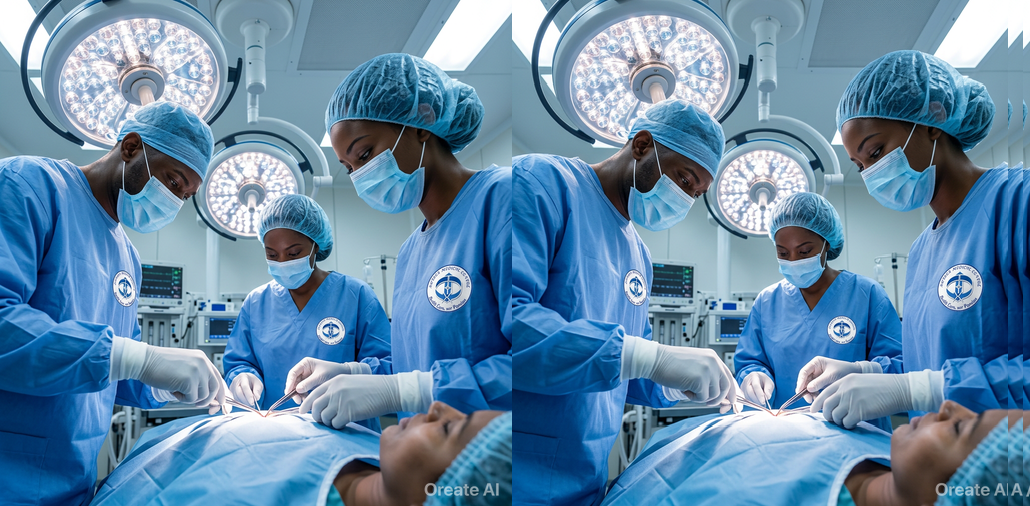
The Respiratory System: Understanding Your Lungs and Breathing

Your respiratory system is a complex network of organs and tissues that work together to bring oxygen into your body and remove carbon dioxide. This vital function is essential for the proper functioning of your cells, and any problems with your respiratory system can have serious consequences.

The respiratory system is divided into two parts: the upper respiratory tract and the lower respiratory tract. The upper respiratory tract includes the nose, mouth, throat, and voice box, while the lower respiratory tract includes the trachea, bronchi, and lungs.

How Does Breathing Work?

Breathing is a complex process that involves multiple muscles working together to expand and contract the lungs. The main muscle involved in breathing is the diaphragm, which separates the chest cavity from the abdominal cavity. When you inhale, your diaphragm contracts and moves downward, creating a vacuum that draws air into your lungs.

As you exhale, your diaphragm relaxes and moves upward, pushing on your lungs and causing them to deflate. This process is repeated continuously, allowing your body to bring in oxygen and remove carbon dioxide.

What Doctor Specializes in the Respiratory System?

Pulmonologists are medical doctors who specialize in the diagnosis and treatment of disorders related to the respiratory system. They can help diagnose a range of conditions, from asthma and COPD to pneumonia and tuberculosis.

Other medical professionals, such as emergency medicine physicians and cardiologists, may also be involved in the care of patients with respiratory problems.

How Can You Keep Your Respiratory System Healthy?

There are several ways to keep your respiratory system healthy:

  • Practice good hygiene by washing your hands frequently, especially during cold and flu season
  • Avoid smoking and secondhand smoke
  • Get regular exercise to improve lung function
  • Eat a balanced diet rich in fruits, vegetables, and whole grains
  • Avoid exposure to pollutants and allergens

What Are the Symptoms of Respiratory Problems?

Symptoms of respiratory problems can vary depending on the underlying condition. Some common symptoms include:

  • Chest pain or tightness
  • Difficulty breathing
  • Fatigue or weakness
  • Confusion or disorientation

What to Do If You’re Experiencing Respiratory Symptoms?

If you’re experiencing respiratory symptoms, it’s essential to seek medical attention. Here are some steps you can take:

  • Call your doctor or visit an urgent care center if you’re experiencing severe symptoms
  • Use over-the-counter medications such as cough suppressants and expectorants to help manage symptoms
  • Avoid smoking and secondhand smoke to reduce the risk of respiratory problems
  • Get vaccinated against flu and pneumonia each year

Learn More About Respiratory Health at [Your Phone Number] or [Your Location]

For more information on respiratory health, including symptoms, treatment options, and prevention strategies, call your doctor or visit an urgent care center. You can also learn more by visiting our website or speaking with a healthcare professional.
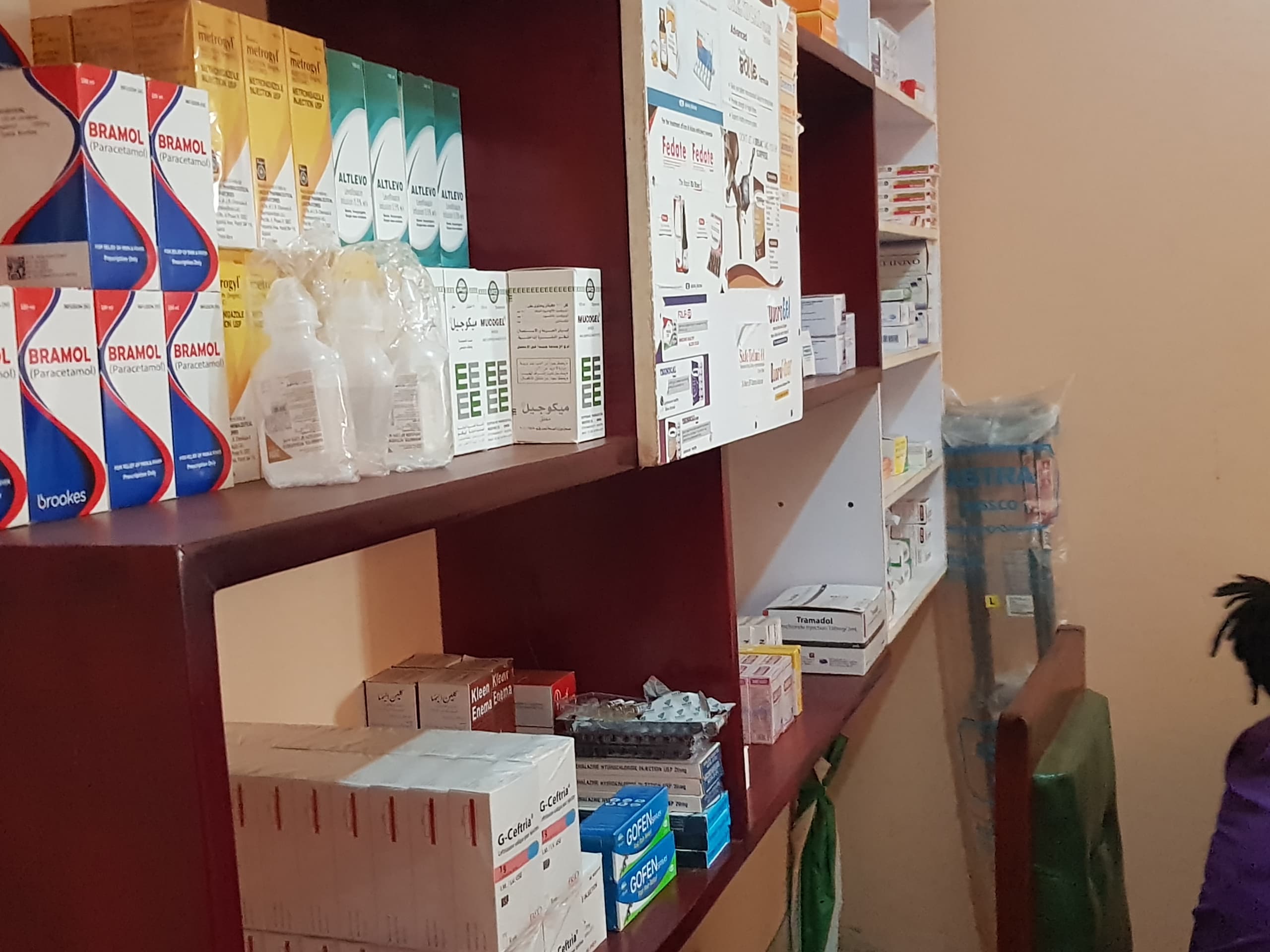
Visit Michoes Today

  • Get immediate help and diagnosis
  • Timely Prescriptions
  • Expert surgical and orthopedic care

Comments

Leave a Reply

Your email address will not be published. Required fields are marked *

  • Family Doctor in Kumi: Advanced Care with 24/7 Availability

    Family Doctor in Kumi: Advanced Care with 24/7 Availability

    At Michoes Medical Centre, we understand the importance of quality healthcare services for families living in and around Kumi District. Our state-of-the-art facilities and experienced doctors are committed to providing personalized care that meets your unique needs. Expertise in General Medicine We offer a wide range of medical services, including general medicine, pediatrics, obstetrics, gynecology,…

  • Dopamine: The Hormone That Regulates Pleasure, Motivation, and Movement

    Dopamine: The Hormone That Regulates Pleasure, Motivation, and Movement

    Dopamine is a complex brain chemical that plays a major role in regulating pleasure, motivation, and movement. It sends chemical messages in the brain to let you know that something feels good, which can lead to feelings of happiness and reward. However, an imbalance of dopamine levels can cause problems with impulsive behavior, sleep, and…

  • Michoes Medical Centre – Your Trusted Partner in Men’s Health

    Michoes Medical Centre – Your Trusted Partner in Men’s Health

    Welcome to Michoes Medical Centre, your premier destination for all men’s health concerns. Our team of expert doctors and medical professionals are dedicated to providing you with the best possible care, addressing a wide range of conditions affecting men’s reproductive health, hormonal balance, and overall well-being. At Michoes Medical Centre, we understand the importance of…

  • Understanding Apraxia of Speech and Speech Disorders

    Understanding Apraxia of Speech and Speech Disorders

    Apraxia of speech is a neurological disorder that affects an individual’s ability to form words and sentences correctly. It can be caused by brain damage, stroke, or other conditions such as childhood apraxia of speech (CAS), which may be caused by genetics or a brain injury from conditions like childhood stroke, epilepsy, or infection. Causes…

  • Michoes Medical Centre: Your Trusted Partner for Hyperosmia Treatment in Kumi, Uganda

    Michoes Medical Centre: Your Trusted Partner for Hyperosmia Treatment in Kumi, Uganda

    Hyperosmia is a rare condition where you have an overwhelming sensitivity to smells. At Michoes Medical Centre, we understand the impact this can have on your daily life and are committed to providing effective treatment options. Our team of experts, led by Senior Orthopedic Consultant Michael Emusugut, will work with you to determine the underlying…

  • Dysautonomia: Understanding the Autonomic Nervous System

    Dysautonomia: Understanding the Autonomic Nervous System

    Dysautonomia, also known as autonomic dysfunction, refers to a group of medical disorders caused by problems with the autonomic nervous system (ANS). Your ANS controls your body’s automatic functions, such as heart rate, digestion, blood pressure, kidney function, and more. Dysautonomia can show up in your body in many ways, affecting various parts of your…

  • Understanding Adult ADHD: Symptoms, Causes, and Treatment Options

    Understanding Adult ADHD: Symptoms, Causes, and Treatment Options

    Adult Attention Deficit Hyperactivity Disorder (ADHD) is a neurodevelopmental disorder that affects both children and adults. It is characterized by symptoms of inattention, hyperactivity, and impulsivity. In this article, we will discuss the causes, symptoms, and treatment options for adult ADHD. Causes of Adult ADHD The exact cause of adult ADHD is not known, but…

  • IVIg Therapy for Autoimmune Diseases

    IVIg Therapy for Autoimmune Diseases

    IVIg therapy is a treatment option for people with autoimmune diseases that affect the immune system. It involves administering intravenous immunoglobulin (IVIG) to replenish antibodies and help rebuild the immune system. People with autoimmune diseases, such as lupus or multiple sclerosis, may benefit from IVIg therapy. This treatment can help reduce the risk of infections,…

  • Michoes Medical Centre: Your Trusted Partner in Healthcare for Schilder’s Disease and Beyond

    Michoes Medical Centre: Your Trusted Partner in Healthcare for Schilder’s Disease and Beyond

    Schilder’s disease is a rare condition that usually starts in childhood. It’s most common in boys between 7 and 12 years old. It’s a problem with the body’s myelin, which acts as a protective layer around nerves. Myelin helps signals move faster around the body, similar to how electricity flows through electric wires. At Michoes…

  • Palliative Care: Relief for Serious Illnesses

    Palliative Care: Relief for Serious Illnesses

    Palliative care is a type of care that focuses on relieving the symptoms, pain, and stress of serious illnesses, as well as improving quality of life for patients and their families. It’s not just for people who are at the end of life; rather, it’s for anyone living with a serious or chronic medical condition.…