Sickle Cell Disease: Causes, Symptoms, Treatment, and Prevention

Sickle cell disease is a genetic disorder that affects the shape of hemoglobin in red blood cells, leading to a range of complications. It’s caused by a mutation in the HBB gene, which codes for the beta-globin subunit of hemoglobin. This mutation causes the production of abnormal hemoglobin, resulting in misshapen red blood cells that can block small blood vessels and cause pain, anemia, and other complications.

Sickle cell disease affects approximately 1 in 365 births of Black children in the United States, with about 100,000 Americans living with the disease. The condition is more common in people with African ancestry or identify as Black. While there’s no cure for sickle cell disease, treatment options are available to manage symptoms and prevent complications.

Causes of Sickle Cell Disease

Sickle cell disease is caused by a genetic mutation that affects the production of hemoglobin in red blood cells. This mutation can be inherited from one’s parents, and it’s more common in people with African ancestry or identify as Black. The condition can also be associated with other conditions, such as malaria, which may have contributed to its evolution.

Symptoms of Sickle Cell Disease

The symptoms of sickle cell disease can vary from person to person, but common complications include:

  • Pain crises: Painful episodes can occur when the abnormal red blood cells block small blood vessels, leading to tissue damage and organ dysfunction.
  • Anemia: The production of abnormal red blood cells can lead to a decrease in the number of healthy red blood cells, resulting in anemia.
  • Infections: People with sickle cell disease are more susceptible to infections, which can be severe and even life-threatening.

Treatment Options for Sickle Cell Disease

There are several treatment options available for sickle cell disease, including:

  • Stem cell transplants: Bone marrow transplantation can replace the abnormal red blood cells with healthy ones.
  • Vasodilators: Medications such as hydroxyurea can help reduce pain crises by increasing the production of fetal hemoglobin.
  • Pain management: Pain relief medications and other treatments can help manage symptoms.

Prevention and Screening

The best way to prevent sickle cell disease is to avoid pregnancy or have a genetic test to detect the condition. In some cases, a blood transfusion may be necessary to treat anemia or other complications.

Early diagnosis and treatment can help manage symptoms and prevent long-term damage. If you’re at risk for sickle cell disease, talk to your doctor about screening options and prevention strategies.

Contact 555-555-5555 or visit michoesmedicalcentre.com for more information on sickle cell disease and to schedule an appointment with one of our specialists.
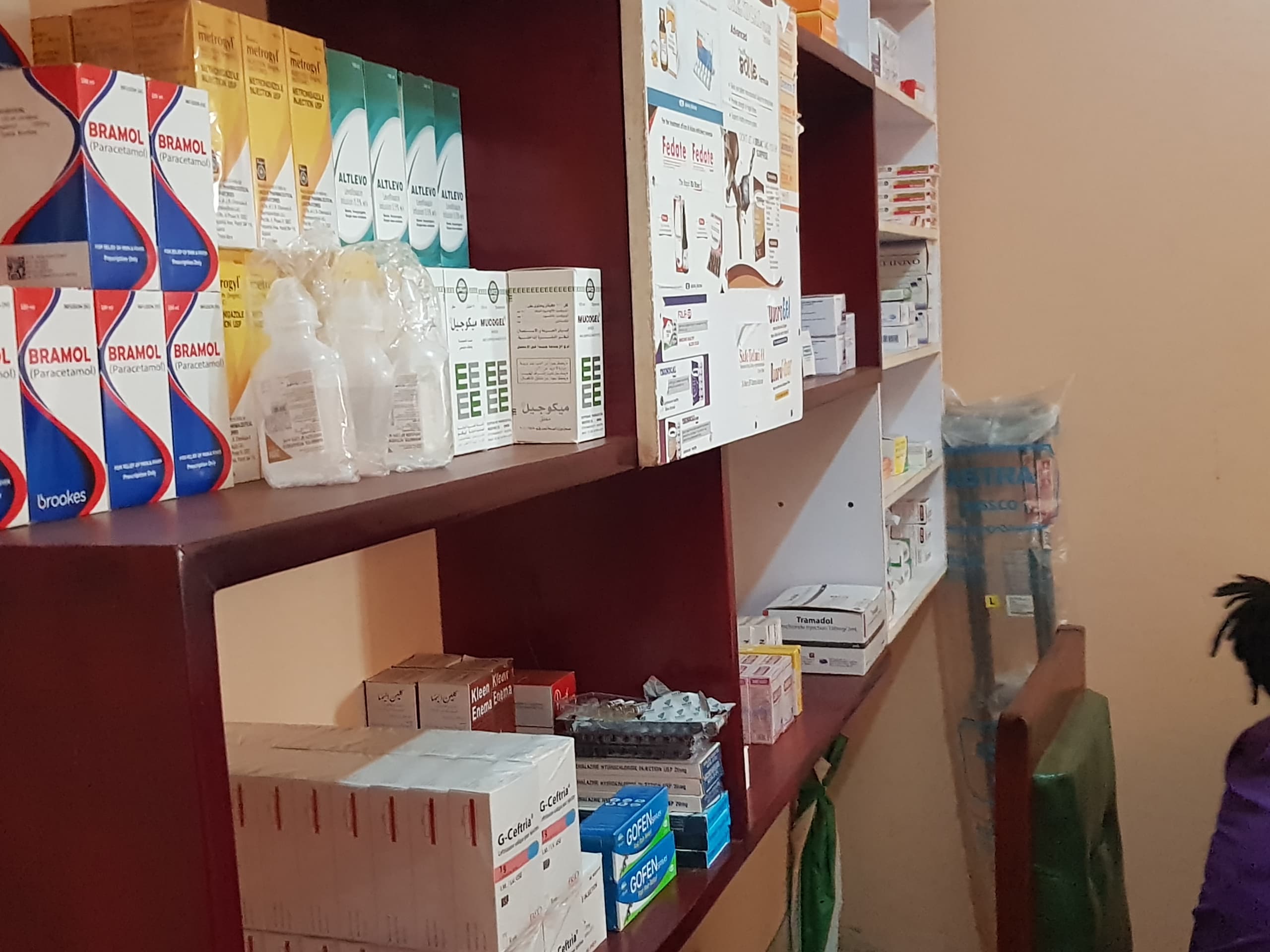
Visit Michoes Today

  • Get immediate help and diagnosis
  • Timely Prescriptions
  • Expert surgical and orthopedic care

Comments

Leave a Reply

Your email address will not be published. Required fields are marked *

  • DVT: Causes, Symptoms, and Prevention

    DVT: Causes, Symptoms, and Prevention

    Deep Vein Thrombosis (DVT) is a blood clot that forms in the deep veins of the body, most commonly in the legs. It can be life-threatening if it breaks loose and travels to the lungs, causing a pulmonary embolism. In this article, we will discuss the causes, symptoms, and prevention strategies for DVT. DVT is…

  • Deep Vein Thrombosis (DVT) Risk Higher for Black People: Know Your Symptoms and Prevention Tips

    Deep Vein Thrombosis (DVT) Risk Higher for Black People: Know Your Symptoms and Prevention Tips

    Black people are at a higher risk of developing deep vein thrombosis (DVT), also known as blood clots, compared to people of other races. According to studies, Black Americans have 30% to 60% higher rates of DVT than white people. A DVT can be life-threatening if it breaks loose and travels to the lungs, causing…

  • Leg Swelling: Causes, Symptoms, and Treatment Options

    Leg Swelling: Causes, Symptoms, and Treatment Options

    Leg swelling can be a common and frustrating condition that affects millions of people worldwide. It is characterized by the accumulation of fluid in the legs, which can lead to discomfort, pain, and even serious health complications if left untreated. In this article, we will explore the causes of leg swelling, its symptoms, treatment options,…

  • DVT Treatment and Prevention at Michoes Medical Centre

    DVT Treatment and Prevention at Michoes Medical Centre

    At Michoes Medical Centre, we understand the importance of prompt treatment for Deep Vein Thrombosis (DVT) to prevent complications. Our team of experienced doctors and medical professionals are committed to providing safe and effective treatment options. Deep Vein Thrombosis is a serious condition that occurs when a blood clot forms in a deep vein, usually…

  • Deep Vein Thrombosis (DVT) Risk Factors and Prevention: Know Your Symptoms

    Deep Vein Thrombosis (DVT) Risk Factors and Prevention: Know Your Symptoms

    As a woman living in Kanyum, Kumi, Soroti, or surrounding areas of Eastern Uganda, it’s essential to understand the risks of Deep Vein Thrombosis (DVT), a condition that can be life-threatening if left untreated. At Michoes Medical Centre, our dedicated team is committed to providing you with accurate information and expert care to prevent DVT…

  • # Deep Vein Thrombosis (DVT)

    # Deep Vein Thrombosis (DVT)

    Deep vein thrombosis, also known as DVT, is a condition where a blood clot forms in the deep veins of the body. This can be life-threatening if it breaks off and travels to the lungs, causing a pulmonary embolism. ## Symptoms Symptoms of DVT may include: * Swelling in one leg * Pain or tenderness…

  • Faster Heartbeat: What Causes It and What to Do?

    Faster Heartbeat: What Causes It and What to Do?

    A faster heartbeat, also known as tachycardia, can be caused by various factors. Understanding the causes of this condition is essential to prevent a medical emergency. Tachycardia can be caused by many medications, including antibiotics, antidepressants, and even certain supplements. Types of Tachycardia Postural Orthostatic Tachycardia Syndrome (POTS) is a circulatory disorder that can make…

  • Michoes Medical Centre – Your Partner in Healthcare for Kanyum, Kumi District, Eastern Uganda

    Michoes Medical Centre – Your Partner in Healthcare for Kanyum, Kumi District, Eastern Uganda

    Welcome to Michoes Medical Centre, your trusted healthcare partner in Kanyum, Kumi District, and surrounding areas of Eastern Uganda. We are dedicated to providing quality medical care with a focus on patient-centered services. Our experienced team of doctors and medical professionals is committed to delivering exceptional care that meets the unique needs of our patients.…

  • Michoes Medical Centre: Your 24/7 Health Partner in Kanyum, Kumi District

    Michoes Medical Centre: Your 24/7 Health Partner in Kanyum, Kumi District

    Welcome to Michoes Medical Centre, your trusted healthcare partner in Kanyum, Kumi District. We are a state-of-the-art, 24/7 medical centre dedicated to providing compassionate and patient-first care to our community. Located in the heart of Kanyum, we offer a wide range of services tailored to meet the unique needs of our patients. From primary care…

  • Endoscopy: Understanding the Procedure and Risks

    Endoscopy: Understanding the Procedure and Risks

    Endoscopy is a medical procedure that uses a long, thin tube with a light and camera attached to diagnose and treat conditions in the digestive tract. The procedure can be performed in various parts of the digestive system, including the esophagus, stomach, small intestine, and colon. During an endoscopy, the doctor will insert the scope…