

Reactive Arthritis in Eastern Uganda: What You Need to Know

Reactive arthritis, formerly referred to as Reiter’s syndrome, is a form of arthritis that affects the joints, eyes, urethra (the tube that carries urine from the bladder to the outside of the body), and skin. The disease is recognized by various symptoms in different organs of the body that may or may not appear at the same time.

Reactive arthritis primarily affects sexually active males between the ages of 20 and 40. Those with HIV (human immunodeficiency virus) are at a particularly high risk. The cause of reactive arthritis is still unknown, but research suggests the disease is caused, in part, by a genetic predisposition: Approximately 75% of those with the condition have a positive blood test for the genetic marker HLA-B27.

In sexually active males, most cases of reactive arthritis follow infection with Chlamydia trachomatis or Ureaplasma urealyticum, both sexually transmitted diseases. In other cases, people develop the symptoms following an intestinal infection with shigella, salmonella, yersinia, or campylobacter bacteria.

Besides using condoms during sexual activity, there is no known preventative measure for reactive arthritis. The first symptoms of reactive arthritis are painful urination and a discharge from the penis if there is inflammation of the urethra. Diarrhea may occur if the intestines are affected.

This is then followed by arthritis four to 28 days later that usually affects the fingers, toes, ankles, hips, and knee joints. Typically, only one or a few of these joints may be affected at one time. Other symptoms include:

Diagnosis of reactive arthritis can be complicated by the fact that symptoms often occur several weeks apart. A doctor may diagnose reactive arthritis when the patient’s arthritis occurs together with or shortly following inflammation of the eye and the urinary tract and lasts a month or longer.

There is no specific test for diagnosing reactive arthritis, but the doctor may check the urethral discharge for sexually transmitted diseases. Stool samples may also be tested for signs of infection. Blood tests of reactive arthritis patients are typically positive for the HLA-B27 genetic marker, with an elevated white blood cell count and an increased erythrocyte sedimentation rate (ESR) — both signs of inflammation.

The patient may also be mildly anemic (having too few red blood cells in the bloodstream). X-rays of the joints outside the back do not usually reveal any abnormalities unless the patient has had recurrent episodes of the disease. On an X-ray, joints that have been repeatedly inflamed may show areas of bone loss, signs of osteoporosis, or bony spurs.

Joints in the back and pelvis (sacroiliac joints) may show abnormalities and damage from reactive arthritis. Bacterial infections, such as chlamydia, will need to be treated with antibiotics. Joint inflammation from reactive arthritis is usually treated with nonsteroidal anti-inflammatory drugs (NSAIDs), such as naproxen, aspirin, or ibuprofen.

Skin eruptions and eye inflammation can be treated with steroids. Those with chronic disease may be prescribed other medications, including methotrexate. Patients with chronic arthritis also may be referred to a physical therapist and may be advised to exercise regularly.

Is Reactive Arthritis Common in Eastern Uganda?

Reactive arthritis is more common in regions where Chlamydia trachomatis infections are prevalent, such as in parts of Africa and Asia. While there isn’t specific data on reactive arthritis cases in Eastern Uganda, it’s essential to be aware of the risk factors and symptoms.

What Can You Do to Prevent Reactive Arthritis?

Besides using condoms during sexual activity, there is no known preventative measure for reactive arthritis. However, maintaining good hygiene, avoiding close contact with someone who has a sexually transmitted infection, and getting vaccinated against HPV can help reduce the risk of transmission.

What to Expect if You Have Reactive Arthritis

Most people recover from reactive arthritis within three to four months. However, about half have recurrences for several years. It’s essential to work with a healthcare professional to manage symptoms and prevent complications.
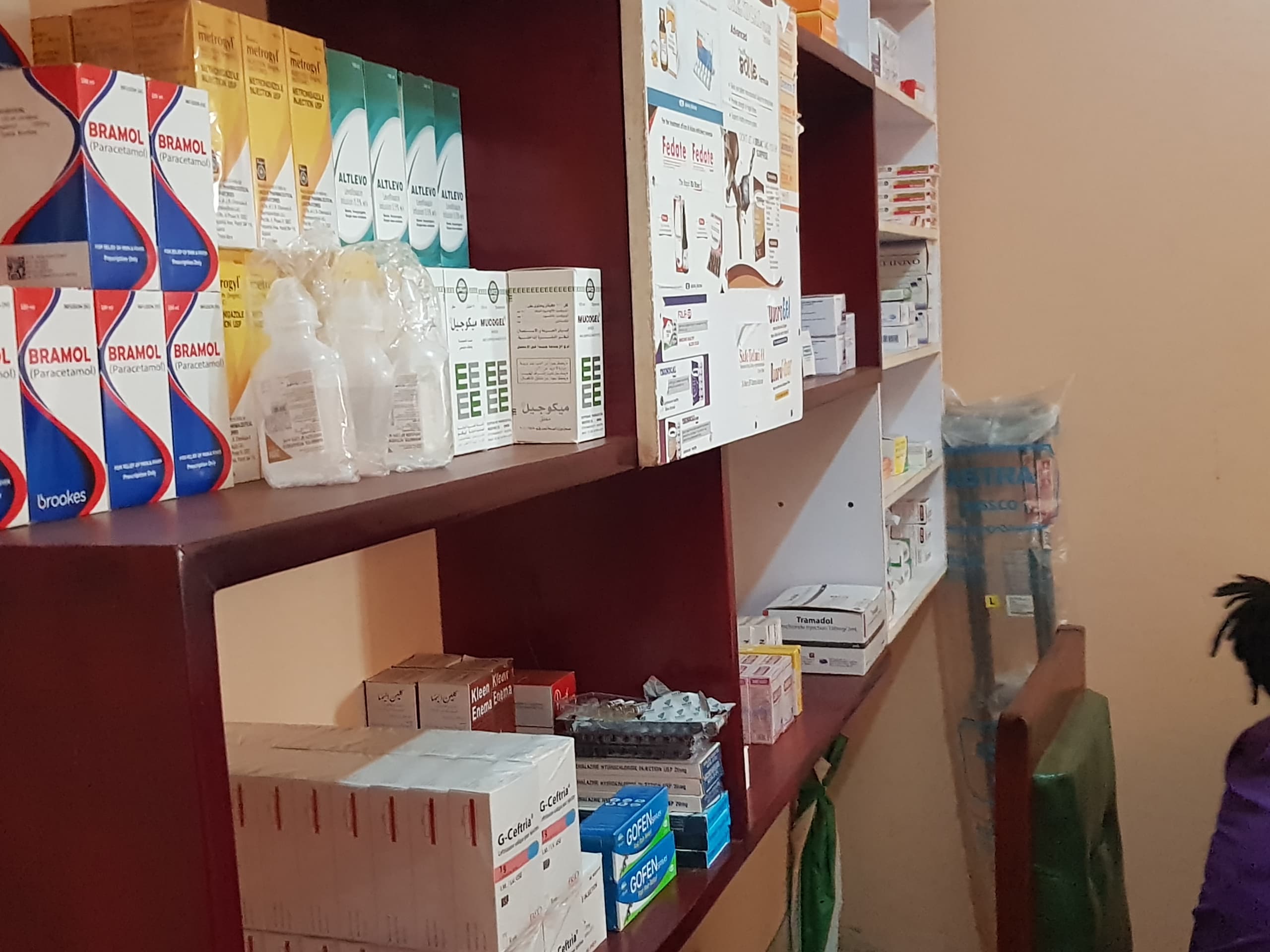
Visit Michoes Today

  • Get immediate help and diagnosis
  • Timely Prescriptions
  • Expert surgical and orthopedic care

Comments

Leave a Reply

Your email address will not be published. Required fields are marked *

  • Cirrhosis: Causes, Symptoms, and Treatment

    Cirrhosis: Causes, Symptoms, and Treatment

    Cirrhosis is a disease in which scar tissue replaces healthy tissue in your liver and keeps it from working as it should. It develops when your liver is damaged from things such as alcohol use disorder, a hepatitis infection, or fatty liver disease. Regular testing can help manage the condition, but call your provider right…

  • Bronchitis Treatment and Relief at Michoes Medical Centre

    Bronchitis Treatment and Relief at Michoes Medical Centre

    Bronchitis is an inflammation of the bronchial tubes, which carry air to the lungs. It can be acute or chronic, with symptoms such as a persistent cough and mucus production. At Michoes Medical Centre, we offer effective treatment options for bronchitis, including rest, hydration, and medications. Acute Bronchitis Symptoms: – A cough that lasts more…

  • Michoes Medical Centre | Expert Post-Traumatic Stress Disorder (PTSD) Treatment in Kanyum, Kumi

    Michoes Medical Centre | Expert Post-Traumatic Stress Disorder (PTSD) Treatment in Kanyum, Kumi

    Post-Traumatic Stress Disorder (PTSD) is a serious mental condition that some people develop after a shocking, terrifying, or dangerous event. Our team at Michoes Medical Centre is dedicated to providing expert PTSD treatment in Kanyum, Kumi and surrounding areas. What is PTSD? PTSD causes your brain to get stuck in danger mode. Even after you’re…

  • Eating Disorders: Understanding the Warning Signs and Treatment Options

    Eating Disorders: Understanding the Warning Signs and Treatment Options

    Eating disorders are serious mental health conditions that can have a profound impact on a person’s physical and emotional well-being. These conditions involve abnormal eating habits, weight loss, or other disturbances in food behavior, which can be linked to psychological issues. Some common types of eating disorders include anorexia nervosa, bulimia nervosa, binge eating disorder,…

  • The Importance of Managing Work-Related Mental Health in Eastern Uganda

    The Importance of Managing Work-Related Mental Health in Eastern Uganda

    Mental health issues are becoming increasingly prevalent in the workplace, affecting millions of people across Eastern Uganda. At Michoes Medical Centre, we understand the impact that work-related stress can have on your mental well-being and overall health. Work-related stress is a common cause of anxiety, depression, and burnout. It’s essential to recognize the signs and…

  • Understanding OCD: The Uncontrollable Thoughts and Compulsions

    Understanding OCD: The Uncontrollable Thoughts and Compulsions

    OCD, or Obsessive-Compulsive Disorder, is a mental health condition characterized by recurring, intrusive thoughts (obsessions) and repetitive behaviors (compulsions). These obsessions can be distressing and interfere with daily life. In this post, we will explore the symptoms, causes, and treatment options for OCD. What are the Symptoms of OCD? OCD symptoms can vary widely from…

  • Michoes Medical Centre: Your Partner in Healthcare for Eastern Uganda

    Michoes Medical Centre: Your Partner in Healthcare for Eastern Uganda

    Located in the heart of Kanyum, Kumi District, Michoes Medical Centre is a trusted healthcare provider in Eastern Uganda. Our state-of-the-art facility offers a wide range of medical services to ensure that you receive the best possible care. At Michoes Medical Centre, we believe that healthcare should be accessible, affordable, and compassionate. That’s why our…

  • # Nerve Pain and Damage: Causes, Symptoms, and Treatment Options

    # Nerve Pain and Damage: Causes, Symptoms, and Treatment Options

    National Institute of Neurological Disorders and Stroke: “NINDS Peripheral Neuropathy Information Page,” “Amyotrophic Lateral Sclerosis Fact Sheet,” “NINDS Guillain-Barre Syndrome Fact Sheet.” Neuropathy Association: “About Peripheral Neuropathy: Facts.” Cleveland Clinic: “Peripheral neuropathy,” “Neuropathic Pain” “Transcutaneous Electrical Nerve Stimulation (TENS).” Muscular Dystrophy Association: “Diseases.” Weill Cornell Medical College: “Neuropathic pain.” The University of Chicago: “About Peripheral…

  • Understanding Blood Sugar Levels for Diabetes Management

    Understanding Blood Sugar Levels for Diabetes Management

    Blood sugar levels are a crucial aspect of diabetes management. Monitoring and controlling blood glucose levels can help prevent complications and improve overall health. A normal range for a fasting blood sugar test is 70 to 99 mg/dL, while a non-fasting blood test should be below 125 mg/dL. However, it’s essential to note that these…

  • Michoes Medical Centre: Your Trusted Partner in Healthcare

    Michoes Medical Centre: Your Trusted Partner in Healthcare

    Located in the heart of Kanyum, Michoes Medical Centre is a leading healthcare provider dedicated to delivering high-quality medical care with a personal touch. Our team of experienced doctors and healthcare professionals are committed to providing compassionate and expert care to patients in Kanyum, Kumi, Soroti, Bukedea, Ngora, Katakwi, and beyond. From general check-ups to…