
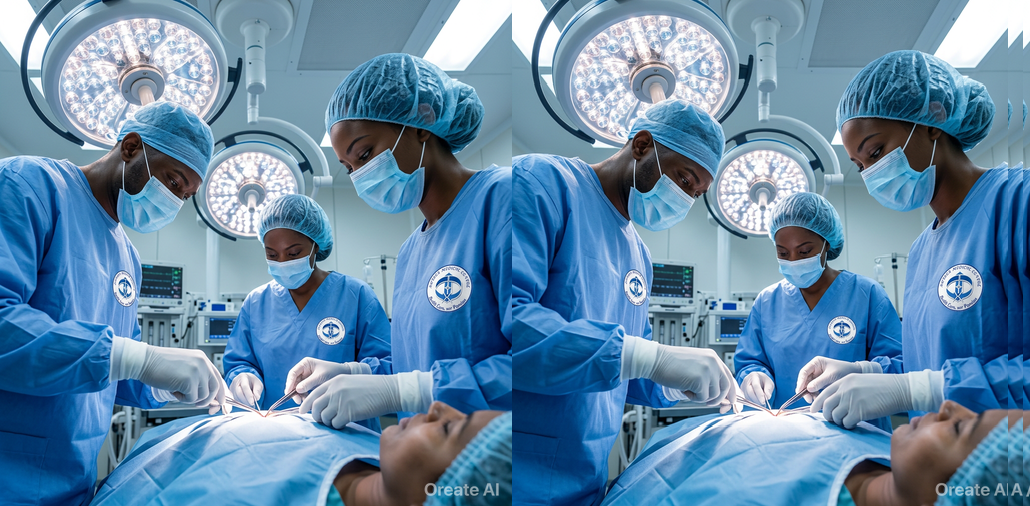
Psicosis: Find Relief from Psoriasis Symptoms with Michoes Medical Centre

Psicosis is a skin disorder that causes skin cells to multiply up to 10 times faster than normal. Knowing which kind of psoriasis you have helps you and your doctor make a treatment plan. Most people have only one type at a time. Experts believe psoriasis is an autoimmune disease. It means your body thinks its own tissues are foreign invaders to be attacked.

Psoriasis symptoms impact everyone differently. Mild psoriasis could stay the same, while someone else’s becomes more severe. Tracking psoriasis flares can help you feel more in control of your condition. With psoriasis, it’s important to follow your doctor’s advice. Still, you can help control and prevent flare-ups on your own.

When you look at your psoriasis patches, you want to know: How can I make them disappear? And how can I stop them from spreading? While the cause of psoriasis stems from your body’s immune system, certain triggers can make symptoms worse or cause flare-ups. Who gets psoriasis more often: women or men? And do your chances of developing it go up based on your race, ethnicity, or age?

Psoriasis can look like a rash, so you may worry that you could get it from someone else or pass it to others. You’re more likely to get psoriasis if your blood relatives also have it. That’s because certain genes play a role.

Your immune system uses tiny proteins called cytokines to communicate between cells. Some cytokines play a role in psoriasis. Psoriasis is a skin disease that affects about 8 million Americans. It comes in several forms. Plaque psoriasis is the most common. Inverse psoriasis is a skin condition that affects the folds of your skin.

If you have psoriasis under your arms, aka inverse psoriasis, you might wonder if it’s OK to use deodorant or antiperspirant. Guttate psoriasis is a type of psoriasis that shows up on your skin as red, scaly, small, teardrop-shaped spots. Scalp psoriasis is a common skin disorder. It can be a single patch or several, and can even affect your entire scalp.

If your scalp itches and flakes, your doctor can tell if it’s just dandruff or a more serious problem like psoriasis. If you have psoriasis on your scalp, you should find shampoos that are made specifically for your scalp. A visit to the salon can give your self-esteem a little boost.

Don’t let scalp psoriasis keep you from these simple pleasures. Lots of things can set off your skin. Some people have conditions like psoriasis — when skin cells pile up in thick patches. In most cases, your primary care doctor or dermatologist will be able to diagnose psoriasis by examining your skin. Your doctor can usually tell if you have psoriasis without a biopsy.

There are rare cases where you might need to get one. To manage your psoriasis, you’ll need ongoing care. You may need to see a dermatologist and other specialists. There’s no cure for psoriasis. But treatment can help you feel better. You may need topical, oral, or systemic treatments.

There are two main types of psoriatic disease: psoriasis and psoriatic arthritis. Living with either disease can be painful. There isn’t a cure for psoriasis, and there isn’t a perfect treatment either.

Mild to moderate psoriasis means that the red, scaly patches (“plaques”) cover less than 10% of your body. There are some things most everyone can do to help keep psoriasis symptoms at bay and maintain your mental health. To boost your psoriasis treatment, some simple tweaks to your daily routine also can promote healing and calm flare-ups.

You can use certain skin care products when you’re living with psoriasis, but caution is the name of the game. There are steps you can take to mask psoriasis problem areas. That can make you feel better about how you look. Psoriasis complications go beyond the way skin may look.

You may have other issues, like heart disease, kidney disease, joint problems, or depression. How does a skin condition like psoriasis affect your joints? It might not make sense at first, but here’s the connection.

Psoriasis and psoriatic arthritis are different diseases, but they are related. Some people may have both at the same time. Palmoplantar pustulosis (PPP) causes blister-like sores on the palms of your hands and the soles of your feet.

Whether you’re newly diagnosed with psoriasis or already in treatment, learn how to make the most of your doctor appointment. Expert Q&A on generalized pustular psoriasis covering who gets GPP, how it’s diagnosed, complications, and the latest treatments.

Generalized pustular psoriasis (GPP) can cause severe flares and life-threatening symptoms. Learn about GPP symptoms, risks, and new treatments. Alyssa Zuercher shares her experience living with generalized pustular psoriasis (GPP), a rare skin disease that causes painful flares and life-altering symptoms.

Managing stress is especially important when you have psoriasis. Learn how to keep your stress under control.

Book an appointment at Michoes Medical Centre today by calling +256701364362 or visiting our clinic in Kanyum, Kumi District. Our expert dermatologists are ready to help you find relief from psoriasis symptoms and improve your quality of life.
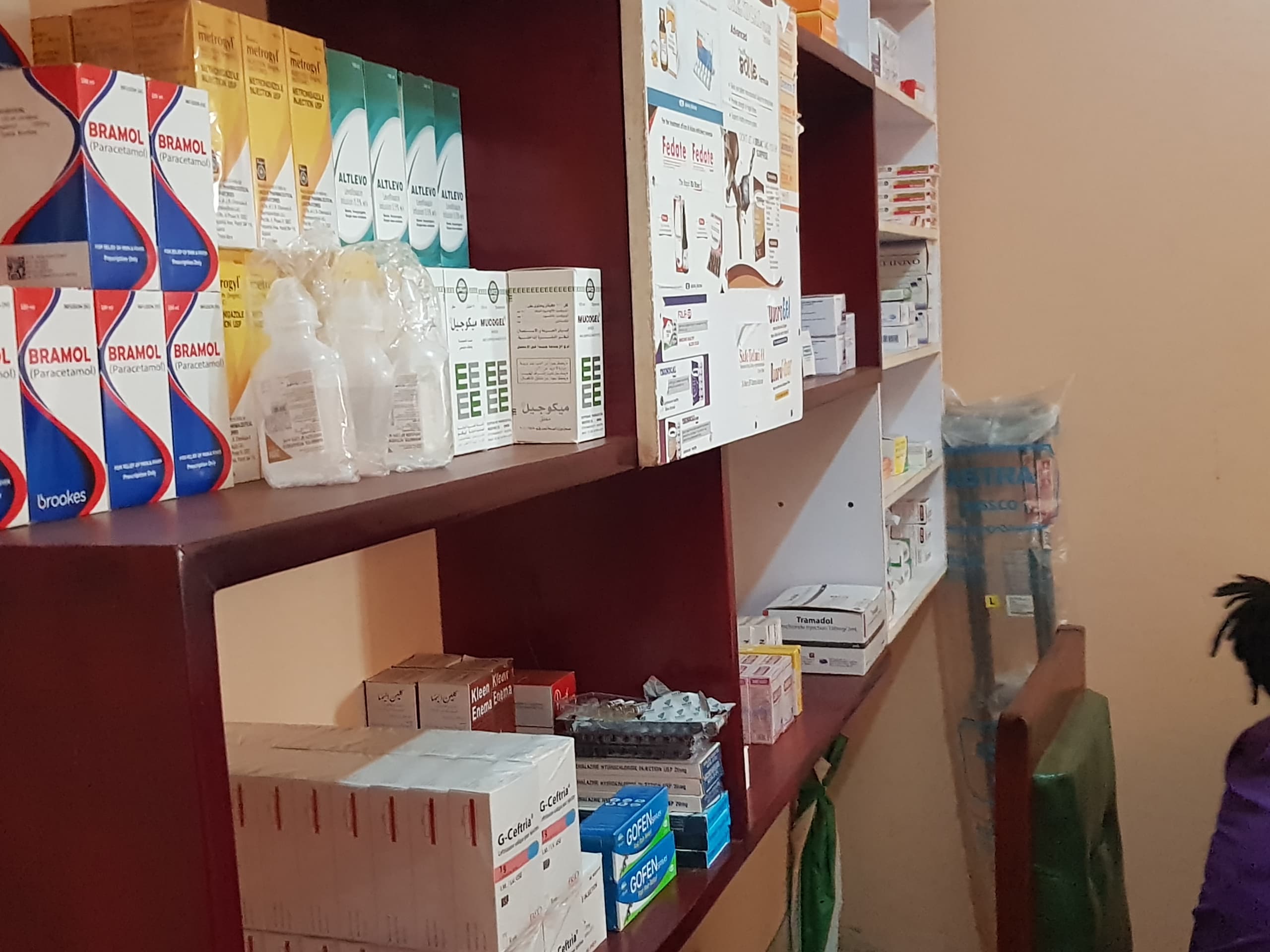
Visit Michoes Today

  • Get immediate help and diagnosis
  • Timely Prescriptions
  • Expert surgical and orthopedic care

Comments

Leave a Reply

Your email address will not be published. Required fields are marked *

  • Sickle Cell Disease: Causes, Symptoms, Treatment, and Prevention

    Sickle Cell Disease: Causes, Symptoms, Treatment, and Prevention

    Sickle cell disease is a genetic disorder that affects the shape of hemoglobin in red blood cells, leading to a range of complications. It’s caused by a mutation in the HBB gene, which codes for the beta-globin subunit of hemoglobin. This mutation causes the production of abnormal hemoglobin, resulting in misshapen red blood cells that…

  • Lower Leg Pain: Causes, Symptoms, and Treatment Options at Michoes Medical Centre

    Lower Leg Pain: Causes, Symptoms, and Treatment Options at Michoes Medical Centre

    Discover the causes of lower leg pain, including conditions ranging from torn tendons to diabetic neuropathy. At Michoes Medical Centre, our team of experts is here to help you understand your symptoms and provide effective treatment options. Lower leg pain can be caused by a variety of factors, including: Deep Vein Thrombosis (DVT): A blood…

  • Relief for Lower Leg Pain: Treatment and Prevention at Michoes Medical Centre

    Relief for Lower Leg Pain: Treatment and Prevention at Michoes Medical Centre

    Muscle cramp. It can strike in your sleep or in the middle of the day. This sudden, tight, intense lower leg pain is sometimes called a “charley horse.” When it takes a grip, it can get worse quickly. It happens when your muscles are tired or dehydrated. Drink more water or fluids with electrolytes if…

  • Understanding and Managing Deep Vein Thrombosis (DVT)

    Understanding and Managing Deep Vein Thrombosis (DVT)

    Deep Vein Thrombosis (DVT) is a serious medical condition that occurs when a blood clot forms in a deep vein, typically in the legs. It can be life-threatening if left untreated or if the clot breaks loose and travels to the lungs, causing a pulmonary embolism. Causes and Risk Factors DVT can be caused by…

  • # Blood Clots: Warning Signs, Risks, and Prevention

    # Blood Clots: Warning Signs, Risks, and Prevention

    Blood clots are a collection of blood cells and other material that forms to stop bleeding if you have a cut or are injured. Sometimes, blood clots don’t break apart after they’ve done their job. This can cause lots of problems in different parts of your body. People who recently had surgery, are not physically…

  • # Understanding Paroxysmal Atrial Fibrillation

    # Understanding Paroxysmal Atrial Fibrillation

    Paroxysmal atrial fibrillation (AFib) is a type of irregular heartbeat that can cause symptoms such as palpitations, dizziness, and shortness of breath. It’s essential to seek medical attention if you experience any of these symptoms. AFib episodes are often triggered by stress, anxiety, or certain medications. Some people may also have underlying health conditions that…

  • Knee Pain: Causes, Symptoms, and Treatment Options

    Knee Pain: Causes, Symptoms, and Treatment Options

    Knee pain is a common condition that can affect anyone, regardless of age or activity level. It can be caused by a variety of factors, including injuries, overuse, or underlying medical conditions. There are several types of knee pain, including osteoarthritis, patellofemoral pain syndrome, and meniscus tears. Osteoarthritis is the most common type of knee…

  • Michoes Medical Centre: Your 24/7 Partner in Healthcare for Kanyamulijjili, Uganda

    Michoes Medical Centre: Your 24/7 Partner in Healthcare for Kanyamulijjili, Uganda

    Michoes Medical Centre is your trusted healthcare partner for all medical needs in Kanyamulijjili and surrounding areas. Our state-of-the-art facility is equipped with the latest technology to provide you with quality medical care, 24 hours a day, 7 days a week. Services We Offer We offer a wide range of services, including: Orthopedic Services General…

  • Michoes Medical Centre: Your 24/7 Healthcare Partner in Eastern Uganda

    Michoes Medical Centre: Your 24/7 Healthcare Partner in Eastern Uganda

    Hello, we’re Michoes Medical Centre. Located in Kanyum, Kumi District, we provide comprehensive healthcare services that are close, kind, and competent. Our doors are always open, ready to welcome you for 24/7 medical care. We understand the unique health challenges faced by communities in Eastern Uganda, particularly in Kumi, Soroti, Bukedea, Ngora, and Katakwi districts.…

  • Michoes Medical Centre: Expert Care for Acid Reflux and GERD

    Michoes Medical Centre: Expert Care for Acid Reflux and GERD

    When stomach acid flows the wrong way — back into the tube that connects your throat to your stomach (your esophagus) — that’s called acid reflux. If it happens often and doesn’t get better, it’s called gastroesophageal reflux disease (GERD). Symptoms include chest pain, a cough, and trouble swallowing, especially when you lie down. Sometimes…