
Premenstrual Syndrome: How Diet and Lifestyle Can Help Ease Symptoms

Premenstrual Syndrome (PMS) is a common condition that affects millions of women worldwide. It is characterized by physical and emotional symptoms such as bloating, breast tenderness, headache, and mood swings. While the causes of PMS are not well understood, research suggests that diet and lifestyle can play a significant role in managing its symptoms.

A healthy diet rich in calcium and vitamin D may help alleviate PMS symptoms. Calcium, found in foods such as low-fat milk, cheese, yogurt, and fortified orange juice, has been shown to reduce the severity of PMS symptoms. Vitamin D, also found in these foods, may work in the brain to relieve depressive symptoms or anxiety.

Eating regular meals and snacks throughout the day can help avoid becoming overly hungry and irritable due to blood sugar levels plummeting. Focus on whole foods, rather than overly processed or convenience foods, which are often high in sodium. Drinking plenty of water can also help reduce bloating and water retention.

Exercise, stress reduction, and supplements such as a daily multivitamin, 100 milligrams of vitamin B-6 a day, 600 milligrams of calcium carbonate with vitamin D daily, may also temper mood changes and reduce water retention.

Maintaining a healthy body weight and being physically active can help prevent PMS symptoms. Stress plays a huge role in the intensity of PMS symptoms, so finding ways to relax your mind, such as exercising or deep breathing, is essential.

A recent study showed that smoking, especially in teens or early 20s, may increase a woman’s risk for moderate to severe PMS.

Targeted CTA: Get personalized advice on managing PMS symptoms and learn more about our minimally invasive procedures for heavy periods, pelvic pain, and bloating. Call us today at +255 111 222 333 or visit our website at michoesmedicalcentre.com.
Visit Michoes Today

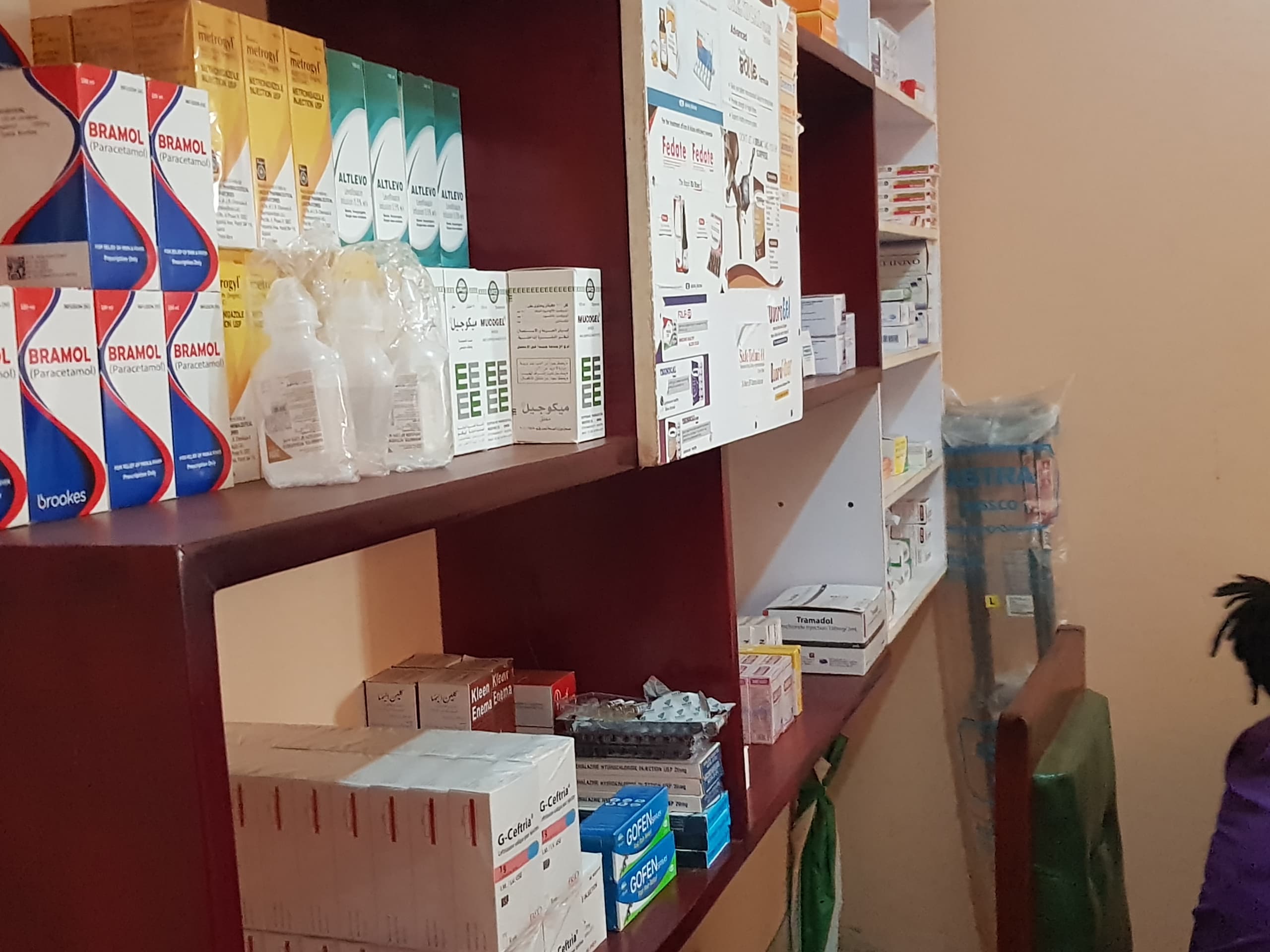
  • Get immediate help and diagnosis
  • Timely Prescriptions
  • Expert surgical and orthopedic care

Comments

Leave a Reply

Your email address will not be published. Required fields are marked *

  • Michoes Medical Centre: Floating Poop – Causes, Symptoms, and Treatment

    Michoes Medical Centre: Floating Poop – Causes, Symptoms, and Treatment

    When stools float, it means the poop stays on the surface of the toilet water instead of sinking. Normally, poop sinks to the bottom of the toilet bowl. Floating poop doesn’t mean you’re sick, but it can be a symptom of various conditions. There are several reasons why poop floats and never seems to sink.…

  • Rhomboid Muscle Pain: Causes, Symptoms, and Treatment

    Rhomboid Muscle Pain: Causes, Symptoms, and Treatment

    Rhomboid muscle pain is a common condition that affects the muscles between the shoulder blades. It can be caused by poor posture, overuse, or repetitive movements. In this article, we will discuss the causes, symptoms, and treatment options for rhomboid muscle pain. Causes of Rhomboid Muscle Pain Rhomboid muscle pain is often caused by: Poor…

  • Psoriasis: Effective Treatment and Natural Remedies

    Psoriasis: Effective Treatment and Natural Remedies

    Psoriasis is a chronic skin condition that affects millions of people worldwide. It can cause red, scaly patches on the skin, as well as joint pain and swelling. While there are many treatment options available, some people may prefer natural remedies to manage their symptoms. In this article, we will discuss the causes and triggers…

  • Crohn’s Disease: Causes, Symptoms, Treatment and Life Expectancy

    Crohn’s Disease: Causes, Symptoms, Treatment and Life Expectancy

    Crohn’s disease is a type of inflammatory bowel disease (IBD) that can affect any part of the gastrointestinal tract. It causes chronic inflammation and irritation in the digestive tract, leading to symptoms such as abdominal pain, diarrhea, weight loss, and fatigue. Symptoms of Crohn’s Disease: Abdominal pain and cramping Diarrhea (often bloody) Weight loss Fatigue…

  • Coronary Artery Disease: Understanding the Symptoms, Risk Factors, and Treatment Options

    Coronary Artery Disease: Understanding the Symptoms, Risk Factors, and Treatment Options

    Coronary artery disease (CAD) is a condition where the coronary arteries become narrowed or blocked due to atherosclerosis, leading to reduced blood flow to the heart. This can cause symptoms such as chest pain, shortness of breath, and fatigue. Risk Factors Some of the major risk factors for CAD include: High cholesterol levels High blood…

  • Michoes Medical Centre: Your Trusted Partner in Heart Health

    Michoes Medical Centre: Your Trusted Partner in Heart Health

    At Michoes Medical Centre, we understand the importance of heart health and provide expert medical care to individuals in Kanyum, Kumi District, Eastern Uganda. Our team of experienced doctors and healthcare professionals is dedicated to helping you prevent, diagnose, and treat various cardiovascular conditions. Our services include: Echocardiograms Heart rate variability testing Cardiac troponin tests…

  • Psoriatic Arthritis: Causes, Symptoms, and Treatment Options

    Psoriatic Arthritis: Causes, Symptoms, and Treatment Options

    Pssiatic arthritis is a type of inflammatory arthritis that affects as many as 30% of people with psoriasis – a common skin condition. Learn how biologic medications (drugs) treat conditions like psoriatic arthritis and Crohn’s disease, along with potential side effects. Discover tips for managing these side effects. Psoriatic arthritis can zap your energy, leaving…

  • Vasculitis: Causes, Symptoms, Treatment, and Lifestyle Management

    Vasculitis: Causes, Symptoms, Treatment, and Lifestyle Management

    Vasculitis is a medical condition characterized by inflammation of the blood vessels. It can affect anyone, but some types are more common in certain age groups. There’s no test specifically for vasculitis, but your doctor will ask about your medical history and do a physical exam to determine what’s causing your symptoms. Symptoms related to…

  • Heart Healthy Eating: How to Reduce Your Risk of Heart Disease

    Heart Healthy Eating: How to Reduce Your Risk of Heart Disease

    Following a heart-healthy diet can help lower your risk of heart disease, high blood pressure, and stroke. Here are some tips to get you started: Avoid foods that are high in saturated fat, trans fat, cholesterol, and sodium. Choose lean protein sources like poultry, fish, and plant-based options instead of red meat. Reduce Your Intake…

  • Michoes Medical Centre – Your Trusted Partner for Heart Health in Kanyum, Kumi

    Michoes Medical Centre – Your Trusted Partner for Heart Health in Kanyum, Kumi

    At Michoes Medical Centre, we understand the importance of a healthy heart. Our team of experienced cardiologists and healthcare professionals are dedicated to providing you with the best possible care for your cardiovascular needs. With our state-of-the-art facilities and latest medical technology, we can diagnose and treat a range of heart conditions, from high blood…