

Pregnancy and Multiple Sclerosis: Balancing Risks for a Healthy Outcome

Michoes Medical Centre: Your Partner in Managing MS Symptoms During Pregnancy and Delivery
Call us today at +256701364362 or WhatsApp us at +256779784473 to schedule an appointment with our specialist team.

Pregnancy and Multiple Sclerosis: Balancing Risks for a Healthy Outcome

Multiple sclerosis (MS) often first appears in your 20s to 40s, smack dab in the middle of your reproductive years when you may be thinking about pregnancy or preventing it. Birth control is an important consideration. Getting pregnant while taking certain MS medicines can be risky for an unborn baby.

Birth control can make these drugs less effective and increase their effects. Discuss your birth control method with your doctor. They can help you adjust the dose of your MS medicine if needed.

MS shouldn’t stop you from having a healthy pregnancy and delivery. Yet it can make family planning a little more complicated. You have to balance the risks to your baby of staying on your MS medicine against the risks to yourself if you stop your treatment.

None of the disease-modifying medications for MS is FDA-approved for use during pregnancy. While many of the MS medications are considered safe during pregnancy and breastfeeding, your gynecologist or neurologist might recommend that you do a “washout period.” This means you stop taking your medicine and give it time to get out of your system before trying to get pregnant.

Going off a medication that’s been controlling your symptoms can be stressful. But being pregnant can give you a break from MS. The same changes in your body that protect your growing baby also reduce inflammation, which can mean fewer relapses. And if you do relapse during pregnancy, you may be able to take corticosteroids safely during your second and third trimesters.

Some women relapse in the first few months after delivery. Breastfeeding your baby exclusively can help lower that risk. If your symptoms do return while you’re breastfeeding, your doctor can help you find a treatment that’s safe while you nurse.

Women are already more likely to have weak bones than men. In women who have MS, the risk of osteoporosis is even higher. Steroids and antidepressant medicines, both possible treatments for MS, each increase the risk of bone loss if you take them for a long time.

Ask your doctor whether you should have a bone density scan. If you’re at risk for osteoporosis, a medication switch might help.

Depression, anxiety, and other mood changes are common with MS. Antidepressants are good at boosting your mood, but they can also make it harder to get excited or reach orgasm.

Ask your doctor about switching to a type of antidepressant that isn’t as likely to cause sexual side effects.

At Michoes Medical Centre, our team of specialists is dedicated to providing personalized care for women with multiple sclerosis. We offer consultations and services tailored to your specific needs. Contact us today to schedule an appointment.

Stay Healthy, Stay Informed: Take control of your health and find the support you need. Visit Michoes Medical Centre for expert care and guidance on managing MS symptoms during pregnancy and delivery. Call +256701364362 or WhatsApp +256779784473 to schedule an appointment today.

Don’t let multiple sclerosis hold you back from achieving a healthy pregnancy and delivery. Contact Michoes Medical Centre for personalized care and support. Your health is our top priority.
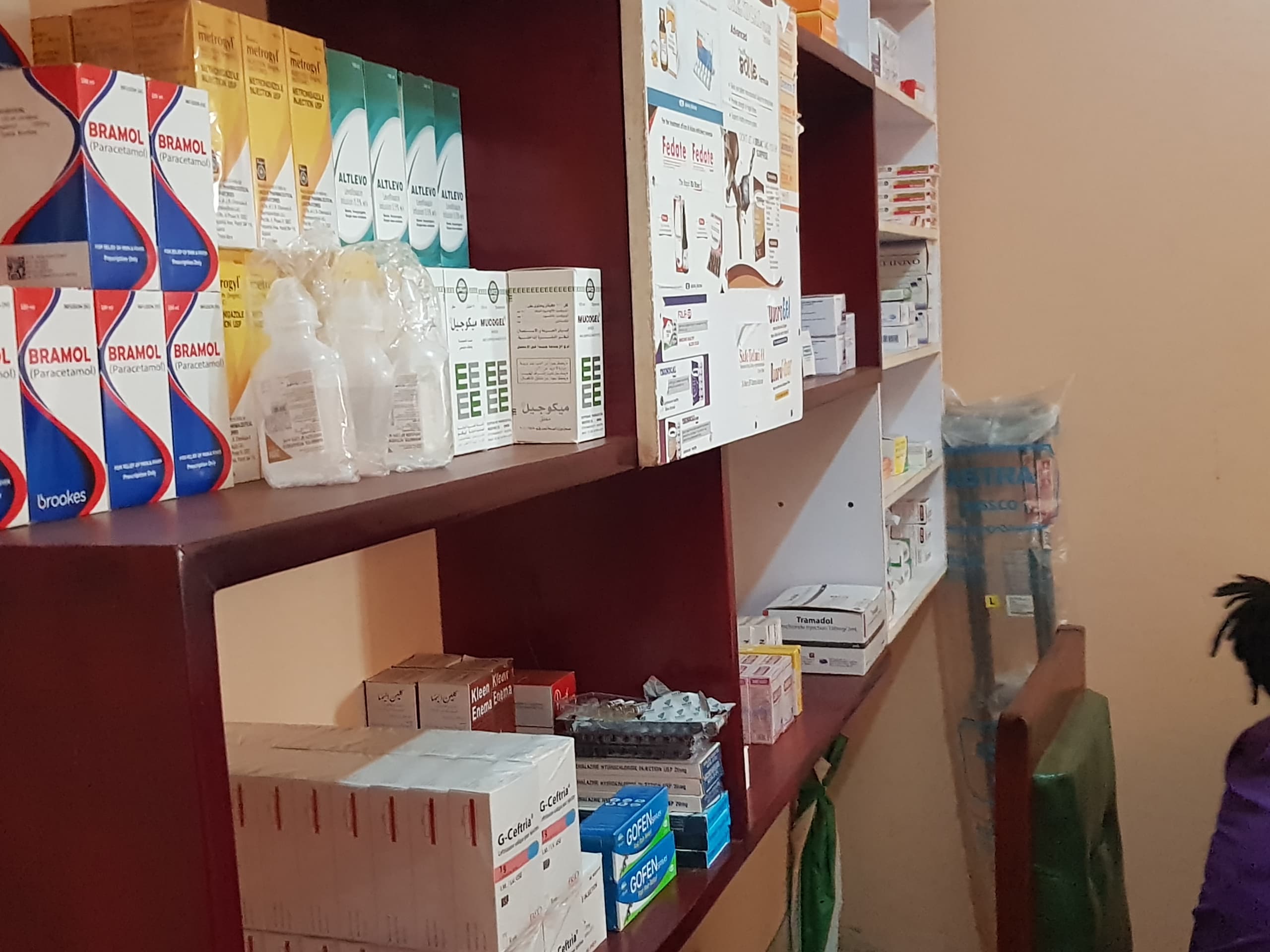
Visit Michoes Today

  • Get immediate help and diagnosis
  • Timely Prescriptions
  • Expert surgical and orthopedic care

Comments

Leave a Reply

Your email address will not be published. Required fields are marked *

  • Sickle Cell Disease: Causes, Symptoms, Treatment, and Prevention

    Sickle Cell Disease: Causes, Symptoms, Treatment, and Prevention

    Sickle cell disease is a genetic disorder that affects the shape of hemoglobin in red blood cells, leading to a range of complications. It’s caused by a mutation in the HBB gene, which codes for the beta-globin subunit of hemoglobin. This mutation causes the production of abnormal hemoglobin, resulting in misshapen red blood cells that…

  • Lower Leg Pain: Causes, Symptoms, and Treatment Options at Michoes Medical Centre

    Lower Leg Pain: Causes, Symptoms, and Treatment Options at Michoes Medical Centre

    Discover the causes of lower leg pain, including conditions ranging from torn tendons to diabetic neuropathy. At Michoes Medical Centre, our team of experts is here to help you understand your symptoms and provide effective treatment options. Lower leg pain can be caused by a variety of factors, including: Deep Vein Thrombosis (DVT): A blood…

  • Relief for Lower Leg Pain: Treatment and Prevention at Michoes Medical Centre

    Relief for Lower Leg Pain: Treatment and Prevention at Michoes Medical Centre

    Muscle cramp. It can strike in your sleep or in the middle of the day. This sudden, tight, intense lower leg pain is sometimes called a “charley horse.” When it takes a grip, it can get worse quickly. It happens when your muscles are tired or dehydrated. Drink more water or fluids with electrolytes if…

  • Understanding and Managing Deep Vein Thrombosis (DVT)

    Understanding and Managing Deep Vein Thrombosis (DVT)

    Deep Vein Thrombosis (DVT) is a serious medical condition that occurs when a blood clot forms in a deep vein, typically in the legs. It can be life-threatening if left untreated or if the clot breaks loose and travels to the lungs, causing a pulmonary embolism. Causes and Risk Factors DVT can be caused by…

  • # Blood Clots: Warning Signs, Risks, and Prevention

    # Blood Clots: Warning Signs, Risks, and Prevention

    Blood clots are a collection of blood cells and other material that forms to stop bleeding if you have a cut or are injured. Sometimes, blood clots don’t break apart after they’ve done their job. This can cause lots of problems in different parts of your body. People who recently had surgery, are not physically…

  • # Understanding Paroxysmal Atrial Fibrillation

    # Understanding Paroxysmal Atrial Fibrillation

    Paroxysmal atrial fibrillation (AFib) is a type of irregular heartbeat that can cause symptoms such as palpitations, dizziness, and shortness of breath. It’s essential to seek medical attention if you experience any of these symptoms. AFib episodes are often triggered by stress, anxiety, or certain medications. Some people may also have underlying health conditions that…

  • Knee Pain: Causes, Symptoms, and Treatment Options

    Knee Pain: Causes, Symptoms, and Treatment Options

    Knee pain is a common condition that can affect anyone, regardless of age or activity level. It can be caused by a variety of factors, including injuries, overuse, or underlying medical conditions. There are several types of knee pain, including osteoarthritis, patellofemoral pain syndrome, and meniscus tears. Osteoarthritis is the most common type of knee…

  • Michoes Medical Centre: Your 24/7 Partner in Healthcare for Kanyamulijjili, Uganda

    Michoes Medical Centre: Your 24/7 Partner in Healthcare for Kanyamulijjili, Uganda

    Michoes Medical Centre is your trusted healthcare partner for all medical needs in Kanyamulijjili and surrounding areas. Our state-of-the-art facility is equipped with the latest technology to provide you with quality medical care, 24 hours a day, 7 days a week. Services We Offer We offer a wide range of services, including: Orthopedic Services General…

  • Michoes Medical Centre: Your 24/7 Healthcare Partner in Eastern Uganda

    Michoes Medical Centre: Your 24/7 Healthcare Partner in Eastern Uganda

    Hello, we’re Michoes Medical Centre. Located in Kanyum, Kumi District, we provide comprehensive healthcare services that are close, kind, and competent. Our doors are always open, ready to welcome you for 24/7 medical care. We understand the unique health challenges faced by communities in Eastern Uganda, particularly in Kumi, Soroti, Bukedea, Ngora, and Katakwi districts.…

  • Michoes Medical Centre: Expert Care for Acid Reflux and GERD

    Michoes Medical Centre: Expert Care for Acid Reflux and GERD

    When stomach acid flows the wrong way — back into the tube that connects your throat to your stomach (your esophagus) — that’s called acid reflux. If it happens often and doesn’t get better, it’s called gastroesophageal reflux disease (GERD). Symptoms include chest pain, a cough, and trouble swallowing, especially when you lie down. Sometimes…