
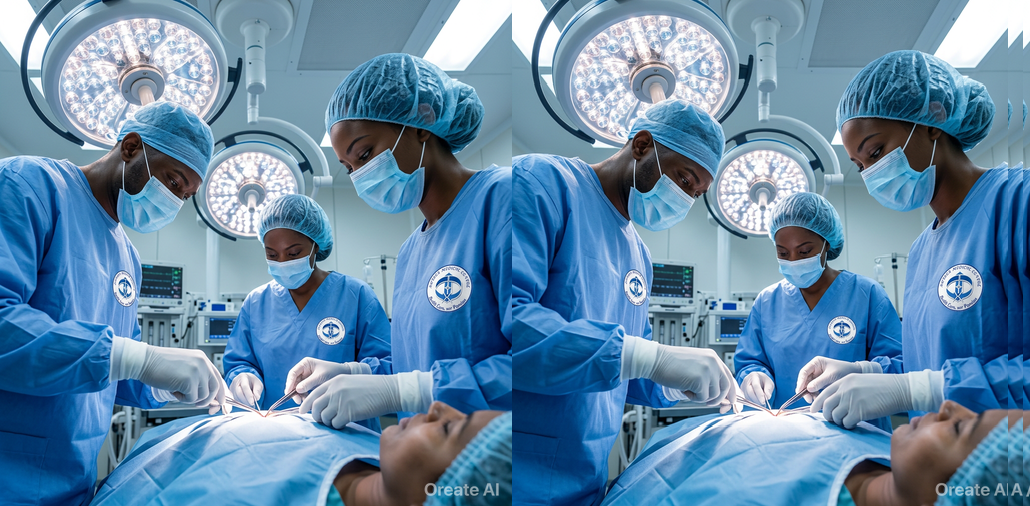
Pinched Nerve: Causes, Symptoms, and Treatment Options

Pinched nerve occurs when there is compression of a nerve by surrounding tissues such as bones, tendons, or ligaments. This condition can result from repetitive motions, maintaining a single posture for prolonged periods, or structural changes in the spine such as herniated disks.

The symptoms of a pinched nerve can range from pain in the affected area (such as the neck or lower back) to radiating pain (such as sciatica), numbness, tingling sensations, and muscle weakness. These symptoms may worsen with certain movements or activities. Early diagnosis and treatment are crucial to avoid permanent damage and ease symptoms.

Treatment options for a pinched nerve may include rest, avoiding activities that make the issue worse, and over-the-counter NSAIDs to reduce swelling. If symptoms continue, talk to your doctor. They’ll give you a physical exam to look for muscle weakness and reflex changes. Your doctor may also run tests to get to the root cause of your pinched nerve.

Resting the injured area and avoiding activities that tend to worsen your symptoms can benefit you. In many cases, that’s all you need to do. In the meantime, here are some home remedies you can try:

Nonsteroidal anti-inflammatory drugs (NSAIDs) such as aspirin, ibuprofen, or naproxen may reduce swelling.

Hot and cold therapy can help bring down swelling.

Adjusting your posture can help prevent further strain on the nerve.

Stretching exercises can help build muscle strength and flexibility.

Splinting or wearing a soft collar can limit motion and allow muscles to rest for brief periods.

If symptoms persist or pain is severe, see your doctor. Treatment may also include oral corticosteroids, narcotics, steroid injections, physical therapy, or surgery. Work with your doctor to find the best approach for treating your symptoms.

National Rehabilitation Information Center (NARIC) provides resources and information on nerve compression and its treatment options. Visit their website or contact them for more information.

Don’t suffer with lower back pain or other types of nerve pain. Michoes Medical Centre shows you ways to get back pain relief, including medication, lifestyle changes, and surgical options. Learn more about the causes, risk factors, diagnosis, treatment, and prevention of various types of nerve pain.

Nerve pain can be tough to manage. Michoes Medical Centre offers nonprescription and over-the-counter treatments that may help. Learn more about neck and shoulder pain, ankle pain, hip pain, and other types of nerve pain at Michoes Medical Centre.

Is your body aching? Let us count the ways. Michoes Medical Centre provides information on various causes of body pain, including conditions such as diabetes, arthritis, and muscle strain. Visit our website or contact us for more information.

If you’re experiencing any type of pain or discomfort, it’s essential to seek medical attention. Michoes Medical Centre is here to help you find relief from nerve pain and other types of body aches.
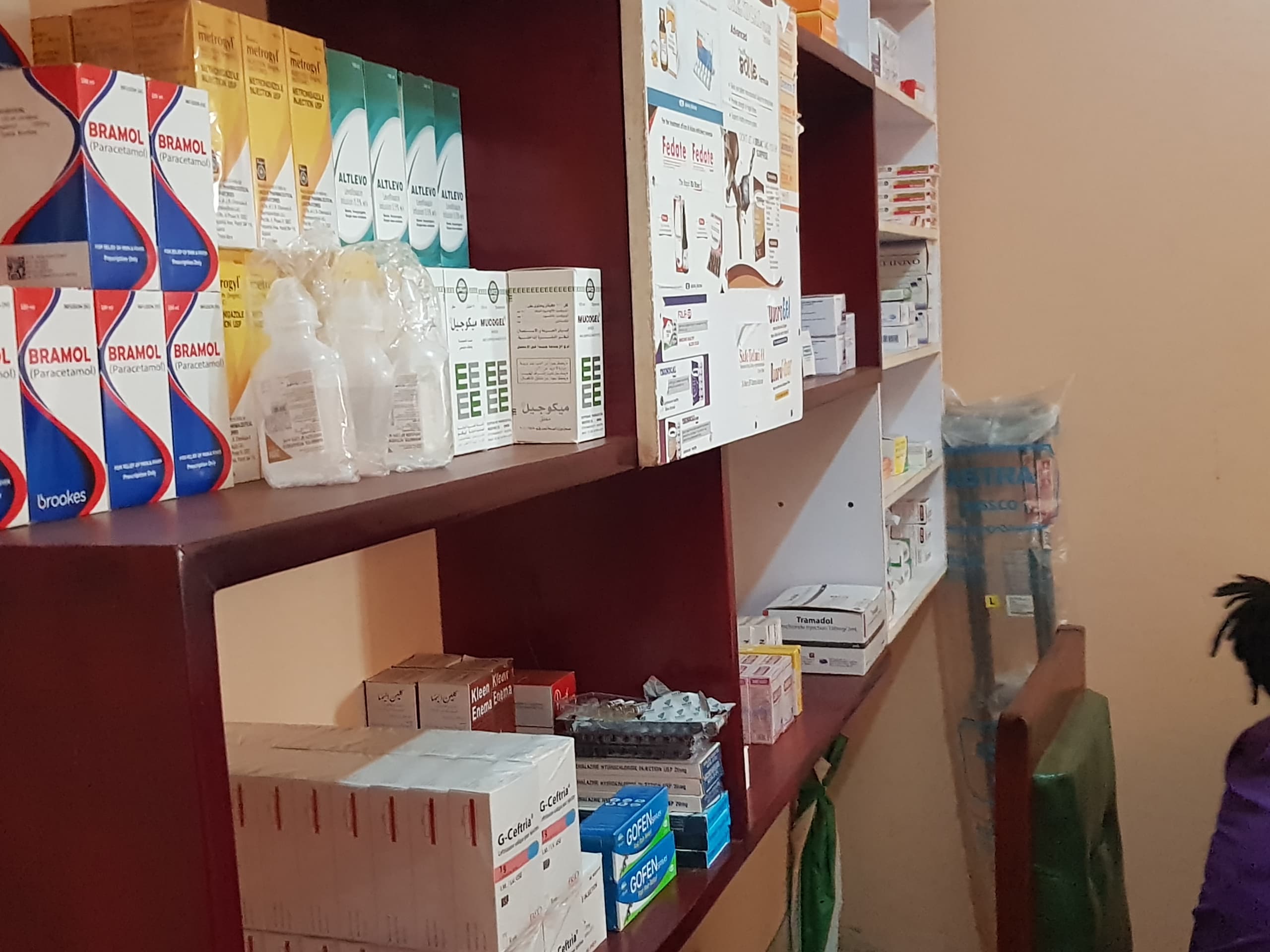
Visit Michoes Today

  • Get immediate help and diagnosis
  • Timely Prescriptions
  • Expert surgical and orthopedic care

Comments

Leave a Reply

Your email address will not be published. Required fields are marked *

  • Atrial Fibrillation: Understanding the Condition and Managing Symptoms

    Atrial Fibrillation: Understanding the Condition and Managing Symptoms

    Atrial fibrillation (AFib) is a type of irregular heartbeat that can increase the risk of stroke, heart failure, and other complications. It occurs when the upper chambers of the heart beat rapidly and irregularly, rather than beating in a regular rhythm. AFib can be caused by a variety of factors, including age, family history, high…

  • Atrial Fibrillation: Causes, Symptoms, and Treatment Options

    Atrial Fibrillation: Causes, Symptoms, and Treatment Options

    Atrial fibrillation (AFib) is a type of irregular heartbeat that can be caused by various factors. It’s essential to understand the causes, symptoms, and treatment options for this condition to take control of your heart health. Causes of Atrial Fibrillation: Age: AFib risk increases with age, especially after 65 years old. Cardiovascular disease: Conditions like…

  • Atrial Fibrillation: Treatment and Management at Michoes Medical Centre

    Atrial Fibrillation: Treatment and Management at Michoes Medical Centre

    Welcome to Michoes Medical Centre, your trusted partner in managing atrial fibrillation. Our team of experienced cardiologists and orthopedic specialists is dedicated to providing you with the best possible care for this condition. Understanding Atrial Fibrillation Atrial fibrillation (AFib) is a type of irregular heartbeat, or arrhythmia, that affects millions of people worldwide. It occurs…

  • Gallstones: Symptoms, Diagnosis and Treatment

    Gallstones: Symptoms, Diagnosis and Treatment

    Gallstones are small, hard deposits that form in the gallbladder, a small organ located under the liver. They can cause symptoms such as abdominal pain, nausea, and vomiting. In most cases, gallstones do not cause any health problems and may pass on their own. However, in some cases, they can block the bile ducts and…

  • Michoes Medical Centre: Your Trusted Partner for Quality Healthcare in Kanyum, Kumi District, Eastern Uganda

    Michoes Medical Centre: Your Trusted Partner for Quality Healthcare in Kanyum, Kumi District, Eastern Uganda

    Welcome to Michoes Medical Centre, your premier healthcare provider in Kanyum, Kumi District, and beyond. Our state-of-the-art facility is equipped with the latest medical technology and staffed by highly skilled doctors and nurses who are dedicated to providing you with exceptional care. At Michoes Medical Centre, we understand the importance of timely and effective medical…

  • Michoes Medical Centre: Your Trusted Partner in Health and Wellness

    Michoes Medical Centre: Your Trusted Partner in Health and Wellness

    Kumi, Uganda – Michoes Medical Centre is a leading healthcare provider in Kumi District, offering a wide range of medical services to residents. Our state-of-the-art facility is equipped with modern technology and staffed by experienced doctors and nurses who are dedicated to delivering high-quality patient care. Our hospital offers various specialized departments, including orthopedics, general…

  • Managing Immune Thrombocytopenia (ITP) in Uganda

    Managing Immune Thrombocytopenia (ITP) in Uganda

    Immune thrombocytopenia (ITP) is a rare blood disorder where the immune system mistakenly attacks and destroys platelets, leading to low levels of platelets in the blood. In Uganda, ITP can cause bruising, bleeding, and fatigue. According to Dr. [Name], a hematologist at [Hospital Name] in Kampala, Uganda, “ITP is often misdiagnosed or underdiagnosed in Uganda…

  • # Morning After Pill: What You Need to Know

    # Morning After Pill: What You Need to Know

    The morning after pill, also known as emergency contraception, is a type of birth control used to prevent pregnancy after unprotected sex. It’s essential to understand the different types, how they work, and when to take them. What are Emergency Contraception Pills? Emergency contraception pills are designed to be taken after unprotected sex to prevent…

  • Michoes Medical Centre: Your 24/7 Healthcare Partner in Eastern Uganda

    Michoes Medical Centre: Your 24/7 Healthcare Partner in Eastern Uganda

    In the heart of Eastern Uganda, Michoes Medical Centre is dedicated to providing high-quality, compassionate care to patients across Kanyum, Kumi, Soroti, and beyond. As a 24/7 private medical centre, we are committed to delivering exceptional healthcare services that cater to your unique needs. Blood Cancer Diagnosis and Treatment Michoes Medical Centre is equipped with…

  • B-cell Acute Lymphoblastic Leukemia (ALL): Understanding the Treatment Options

    B-cell Acute Lymphoblastic Leukemia (ALL): Understanding the Treatment Options

    B-cell acute lymphoblastic leukemia (ALL) is a type of blood cancer that affects the bone marrow, which makes blood. It’s characterized by an overproduction of immature white blood cells called lymphoblasts. The symptoms can vary depending on the stage and severity of the disease. Symptoms: The symptoms of B-cell ALL may include: fatigue, weakness, pale…