

Peptic Ulcers: Causes, Symptoms, Treatment, and Prevention

Peptic ulcers are open sores that develop on the lining of your stomach or the upper portion of your small intestine. These ulcers can cause a burning pain in your abdomen, which may worsen after eating or drinking certain substances.

Causes of Peptic Ulcers

Peptic ulcers are most commonly caused by an infection with Helicobacter pylori (H. pylori) bacteria. Other factors that can contribute to the development of peptic ulcers include:

  • NSAID use, such as aspirin or ibuprofen
  • Stress and anxiety
  • Smoking and excessive alcohol consumption
  • Genetic predisposition

Symptoms of Peptic Ulcers

The symptoms of peptic ulcers can vary depending on their location and size. Common symptoms include:

  • Pain in the upper abdomen that may worsen after eating or drinking certain substances
  • Heartburn and acid reflux
  • Frequent nausea and vomiting
  • Loss of appetite
  • Weight loss

Treatment of Peptic Ulcers

The treatment of peptic ulcers typically involves a combination of medications and lifestyle changes. Medications may include:

  • Antibiotics to treat H. pylori infections
  • NSAID alternatives or additional treatment for pain relief

Lifestyle Changes for Peptic Ulcer Prevention and Treatment

In addition to medication, several lifestyle changes can help prevent and treat peptic ulcers. These include:

  • Quitting smoking and reducing alcohol consumption
  • Avoiding spicy and acidic foods
  • Managing stress through relaxation techniques, such as meditation or yoga
  • Getting regular exercise to improve digestion and overall health

Home Remedies for Peptic Ulcers

Several home remedies may help alleviate the symptoms of peptic ulcers. These include:

  • Foods high in fiber, such as fruits, vegetables, and whole grains
  • Probiotics to promote a healthy gut microbiome
  • Avoiding trigger foods, such as citrus fruits, tomatoes, and spicy dishes

It is essential to consult with your doctor if you experience persistent or severe symptoms of peptic ulcers. With proper treatment and lifestyle changes, it is possible to manage the symptoms and prevent complications.

Dietary Changes for Peptic Ulcers

A well-balanced diet that includes foods high in fiber can help alleviate symptoms of peptic ulcers. Some recommended dietary changes include:

  • Increasing consumption of fruits, vegetables, and whole grains
  • Limiting intake of acidic and spicy foods
  • Avoiding trigger foods, such as citrus fruits, tomatoes, and spicy dishes

Stay hydrated by drinking plenty of water throughout the day. Avoid overeating or eating too quickly, as this can put pressure on the stomach lining.

Surgery for Peptic Ulcers

In some cases, surgery may be necessary to treat peptic ulcers. This is usually reserved for complications such as bleeding, perforation, or obstruction of the intestine.

It is essential to work closely with your doctor to develop a treatment plan that meets your individual needs and promotes optimal healing and recovery.
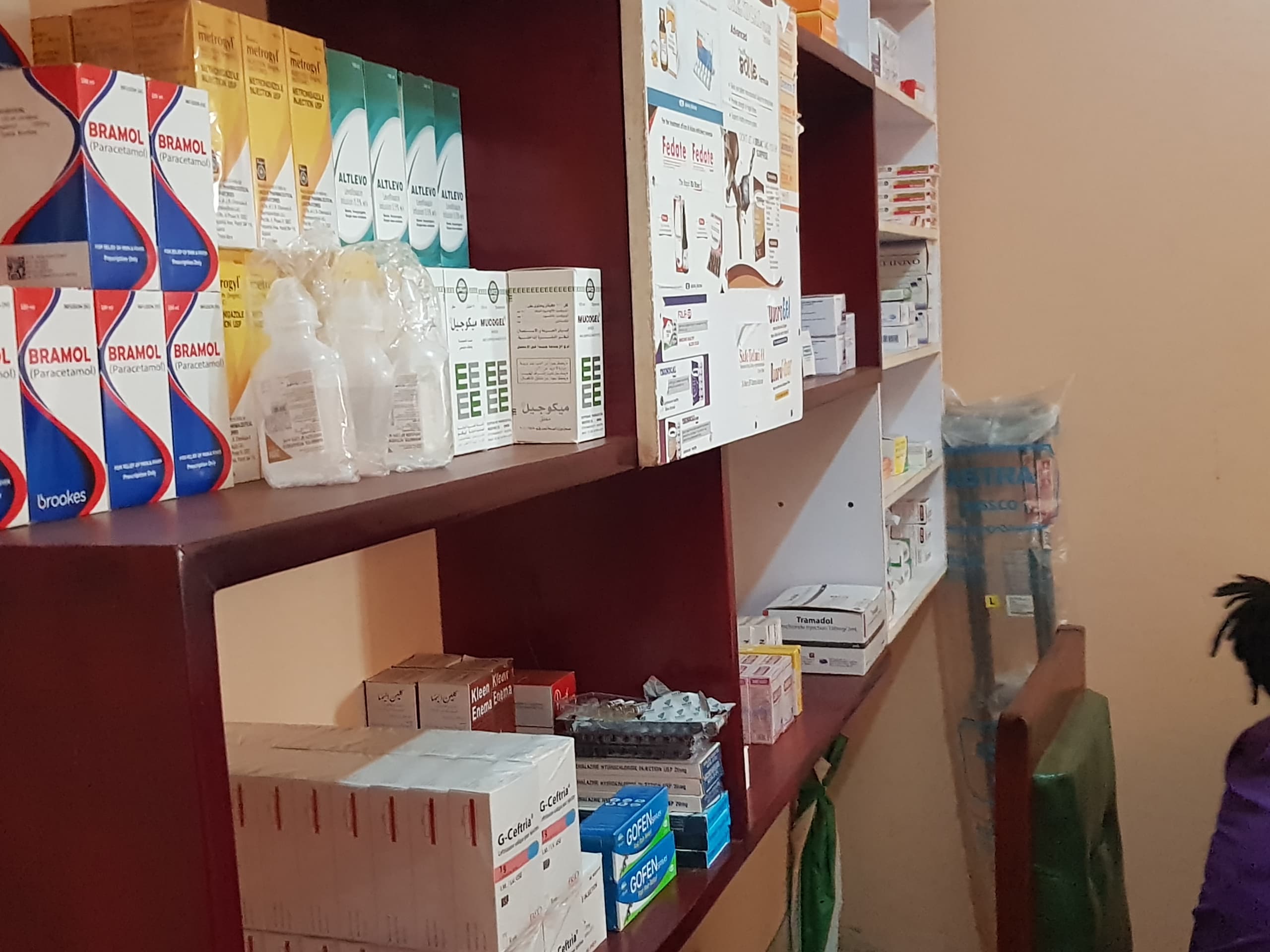
Visit Michoes Today

  • Get immediate help and diagnosis
  • Timely Prescriptions
  • Expert surgical and orthopedic care

Comments

Leave a Reply

Your email address will not be published. Required fields are marked *

  • DVT: Causes, Symptoms, and Prevention

    DVT: Causes, Symptoms, and Prevention

    Deep Vein Thrombosis (DVT) is a blood clot that forms in the deep veins of the body, most commonly in the legs. It can be life-threatening if it breaks loose and travels to the lungs, causing a pulmonary embolism. In this article, we will discuss the causes, symptoms, and prevention strategies for DVT. DVT is…

  • Deep Vein Thrombosis (DVT) Risk Higher for Black People: Know Your Symptoms and Prevention Tips

    Deep Vein Thrombosis (DVT) Risk Higher for Black People: Know Your Symptoms and Prevention Tips

    Black people are at a higher risk of developing deep vein thrombosis (DVT), also known as blood clots, compared to people of other races. According to studies, Black Americans have 30% to 60% higher rates of DVT than white people. A DVT can be life-threatening if it breaks loose and travels to the lungs, causing…

  • Leg Swelling: Causes, Symptoms, and Treatment Options

    Leg Swelling: Causes, Symptoms, and Treatment Options

    Leg swelling can be a common and frustrating condition that affects millions of people worldwide. It is characterized by the accumulation of fluid in the legs, which can lead to discomfort, pain, and even serious health complications if left untreated. In this article, we will explore the causes of leg swelling, its symptoms, treatment options,…

  • DVT Treatment and Prevention at Michoes Medical Centre

    DVT Treatment and Prevention at Michoes Medical Centre

    At Michoes Medical Centre, we understand the importance of prompt treatment for Deep Vein Thrombosis (DVT) to prevent complications. Our team of experienced doctors and medical professionals are committed to providing safe and effective treatment options. Deep Vein Thrombosis is a serious condition that occurs when a blood clot forms in a deep vein, usually…

  • Deep Vein Thrombosis (DVT) Risk Factors and Prevention: Know Your Symptoms

    Deep Vein Thrombosis (DVT) Risk Factors and Prevention: Know Your Symptoms

    As a woman living in Kanyum, Kumi, Soroti, or surrounding areas of Eastern Uganda, it’s essential to understand the risks of Deep Vein Thrombosis (DVT), a condition that can be life-threatening if left untreated. At Michoes Medical Centre, our dedicated team is committed to providing you with accurate information and expert care to prevent DVT…

  • # Deep Vein Thrombosis (DVT)

    # Deep Vein Thrombosis (DVT)

    Deep vein thrombosis, also known as DVT, is a condition where a blood clot forms in the deep veins of the body. This can be life-threatening if it breaks off and travels to the lungs, causing a pulmonary embolism. ## Symptoms Symptoms of DVT may include: * Swelling in one leg * Pain or tenderness…

  • Faster Heartbeat: What Causes It and What to Do?

    Faster Heartbeat: What Causes It and What to Do?

    A faster heartbeat, also known as tachycardia, can be caused by various factors. Understanding the causes of this condition is essential to prevent a medical emergency. Tachycardia can be caused by many medications, including antibiotics, antidepressants, and even certain supplements. Types of Tachycardia Postural Orthostatic Tachycardia Syndrome (POTS) is a circulatory disorder that can make…

  • Michoes Medical Centre – Your Partner in Healthcare for Kanyum, Kumi District, Eastern Uganda

    Michoes Medical Centre – Your Partner in Healthcare for Kanyum, Kumi District, Eastern Uganda

    Welcome to Michoes Medical Centre, your trusted healthcare partner in Kanyum, Kumi District, and surrounding areas of Eastern Uganda. We are dedicated to providing quality medical care with a focus on patient-centered services. Our experienced team of doctors and medical professionals is committed to delivering exceptional care that meets the unique needs of our patients.…

  • Michoes Medical Centre: Your 24/7 Health Partner in Kanyum, Kumi District

    Michoes Medical Centre: Your 24/7 Health Partner in Kanyum, Kumi District

    Welcome to Michoes Medical Centre, your trusted healthcare partner in Kanyum, Kumi District. We are a state-of-the-art, 24/7 medical centre dedicated to providing compassionate and patient-first care to our community. Located in the heart of Kanyum, we offer a wide range of services tailored to meet the unique needs of our patients. From primary care…

  • Endoscopy: Understanding the Procedure and Risks

    Endoscopy: Understanding the Procedure and Risks

    Endoscopy is a medical procedure that uses a long, thin tube with a light and camera attached to diagnose and treat conditions in the digestive tract. The procedure can be performed in various parts of the digestive system, including the esophagus, stomach, small intestine, and colon. During an endoscopy, the doctor will insert the scope…