
Peptic Ulcers: Causes, Symptoms, Treatment, and Prevention

Peptic ulcers are open sores that develop on the lining of your stomach or the upper portion of your small intestine. These ulcers can cause a burning pain in your abdomen, which may worsen after eating or drinking certain substances.

Causes of Peptic Ulcers

Peptic ulcers are most commonly caused by an infection with Helicobacter pylori (H. pylori) bacteria. Other factors that can contribute to the development of peptic ulcers include:

  • NSAID use, such as aspirin or ibuprofen
  • Stress and anxiety
  • Smoking and excessive alcohol consumption
  • Genetic predisposition

Symptoms of Peptic Ulcers

The symptoms of peptic ulcers can vary depending on their location and size. Common symptoms include:

  • Pain in the upper abdomen that may worsen after eating or drinking certain substances
  • Heartburn and acid reflux
  • Frequent nausea and vomiting
  • Loss of appetite
  • Weight loss

Treatment of Peptic Ulcers

The treatment of peptic ulcers typically involves a combination of medications and lifestyle changes. Medications may include:

  • Antibiotics to treat H. pylori infections
  • NSAID alternatives or additional treatment for pain relief

Lifestyle Changes for Peptic Ulcer Prevention and Treatment

In addition to medication, several lifestyle changes can help prevent and treat peptic ulcers. These include:

  • Quitting smoking and reducing alcohol consumption
  • Avoiding spicy and acidic foods
  • Managing stress through relaxation techniques, such as meditation or yoga
  • Getting regular exercise to improve digestion and overall health

Home Remedies for Peptic Ulcers

Several home remedies may help alleviate the symptoms of peptic ulcers. These include:

  • Foods high in fiber, such as fruits, vegetables, and whole grains
  • Probiotics to promote a healthy gut microbiome
  • Avoiding trigger foods, such as citrus fruits, tomatoes, and spicy dishes

It is essential to consult with your doctor if you experience persistent or severe symptoms of peptic ulcers. With proper treatment and lifestyle changes, it is possible to manage the symptoms and prevent complications.

Dietary Changes for Peptic Ulcers

A well-balanced diet that includes foods high in fiber can help alleviate symptoms of peptic ulcers. Some recommended dietary changes include:

  • Increasing consumption of fruits, vegetables, and whole grains
  • Limiting intake of acidic and spicy foods
  • Avoiding trigger foods, such as citrus fruits, tomatoes, and spicy dishes

Stay hydrated by drinking plenty of water throughout the day. Avoid overeating or eating too quickly, as this can put pressure on the stomach lining.

Surgery for Peptic Ulcers

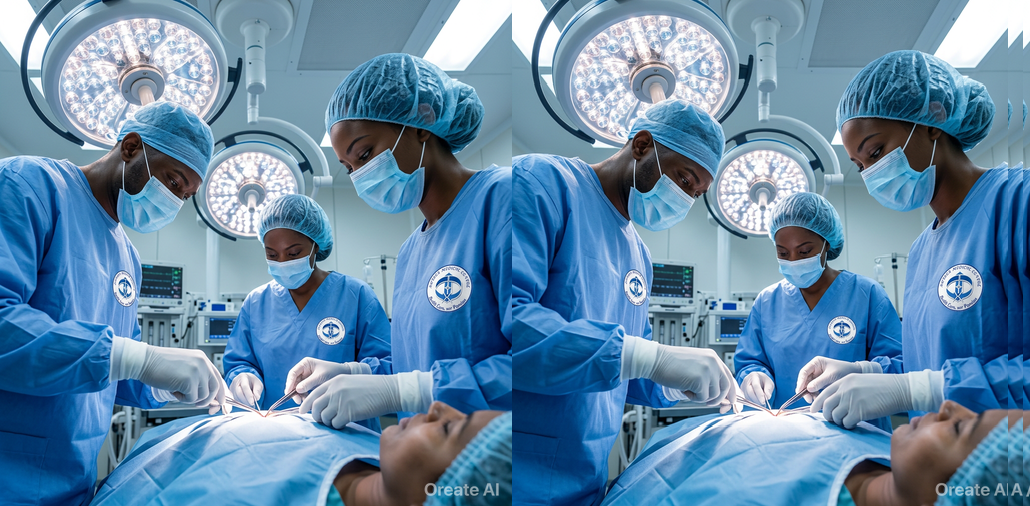
In some cases, surgery may be necessary to treat peptic ulcers. This is usually reserved for complications such as bleeding, perforation, or obstruction of the intestine.

It is essential to work closely with your doctor to develop a treatment plan that meets your individual needs and promotes optimal healing and recovery.
Visit Michoes Today

  • Get immediate help and diagnosis
  • Timely Prescriptions
  • Expert surgical and orthopedic care

Comments

Leave a Reply

Your email address will not be published. Required fields are marked *

  • Family Doctor in Kumi: Advanced Care with 24/7 Availability

    Family Doctor in Kumi: Advanced Care with 24/7 Availability

    At Michoes Medical Centre, we understand the importance of quality healthcare services for families living in and around Kumi District. Our state-of-the-art facilities and experienced doctors are committed to providing personalized care that meets your unique needs. Expertise in General Medicine We offer a wide range of medical services, including general medicine, pediatrics, obstetrics, gynecology,…

  • Dopamine: The Hormone That Regulates Pleasure, Motivation, and Movement

    Dopamine: The Hormone That Regulates Pleasure, Motivation, and Movement

    Dopamine is a complex brain chemical that plays a major role in regulating pleasure, motivation, and movement. It sends chemical messages in the brain to let you know that something feels good, which can lead to feelings of happiness and reward. However, an imbalance of dopamine levels can cause problems with impulsive behavior, sleep, and…

  • Michoes Medical Centre – Your Trusted Partner in Men’s Health

    Michoes Medical Centre – Your Trusted Partner in Men’s Health

    Welcome to Michoes Medical Centre, your premier destination for all men’s health concerns. Our team of expert doctors and medical professionals are dedicated to providing you with the best possible care, addressing a wide range of conditions affecting men’s reproductive health, hormonal balance, and overall well-being. At Michoes Medical Centre, we understand the importance of…

  • Understanding Apraxia of Speech and Speech Disorders

    Understanding Apraxia of Speech and Speech Disorders

    Apraxia of speech is a neurological disorder that affects an individual’s ability to form words and sentences correctly. It can be caused by brain damage, stroke, or other conditions such as childhood apraxia of speech (CAS), which may be caused by genetics or a brain injury from conditions like childhood stroke, epilepsy, or infection. Causes…

  • Michoes Medical Centre: Your Trusted Partner for Hyperosmia Treatment in Kumi, Uganda

    Michoes Medical Centre: Your Trusted Partner for Hyperosmia Treatment in Kumi, Uganda

    Hyperosmia is a rare condition where you have an overwhelming sensitivity to smells. At Michoes Medical Centre, we understand the impact this can have on your daily life and are committed to providing effective treatment options. Our team of experts, led by Senior Orthopedic Consultant Michael Emusugut, will work with you to determine the underlying…

  • Dysautonomia: Understanding the Autonomic Nervous System

    Dysautonomia: Understanding the Autonomic Nervous System

    Dysautonomia, also known as autonomic dysfunction, refers to a group of medical disorders caused by problems with the autonomic nervous system (ANS). Your ANS controls your body’s automatic functions, such as heart rate, digestion, blood pressure, kidney function, and more. Dysautonomia can show up in your body in many ways, affecting various parts of your…

  • Understanding Adult ADHD: Symptoms, Causes, and Treatment Options

    Understanding Adult ADHD: Symptoms, Causes, and Treatment Options

    Adult Attention Deficit Hyperactivity Disorder (ADHD) is a neurodevelopmental disorder that affects both children and adults. It is characterized by symptoms of inattention, hyperactivity, and impulsivity. In this article, we will discuss the causes, symptoms, and treatment options for adult ADHD. Causes of Adult ADHD The exact cause of adult ADHD is not known, but…

  • IVIg Therapy for Autoimmune Diseases

    IVIg Therapy for Autoimmune Diseases

    IVIg therapy is a treatment option for people with autoimmune diseases that affect the immune system. It involves administering intravenous immunoglobulin (IVIG) to replenish antibodies and help rebuild the immune system. People with autoimmune diseases, such as lupus or multiple sclerosis, may benefit from IVIg therapy. This treatment can help reduce the risk of infections,…

  • Michoes Medical Centre: Your Trusted Partner in Healthcare for Schilder’s Disease and Beyond

    Michoes Medical Centre: Your Trusted Partner in Healthcare for Schilder’s Disease and Beyond

    Schilder’s disease is a rare condition that usually starts in childhood. It’s most common in boys between 7 and 12 years old. It’s a problem with the body’s myelin, which acts as a protective layer around nerves. Myelin helps signals move faster around the body, similar to how electricity flows through electric wires. At Michoes…

  • Palliative Care: Relief for Serious Illnesses

    Palliative Care: Relief for Serious Illnesses

    Palliative care is a type of care that focuses on relieving the symptoms, pain, and stress of serious illnesses, as well as improving quality of life for patients and their families. It’s not just for people who are at the end of life; rather, it’s for anyone living with a serious or chronic medical condition.…