

# Morning After Pill: What You Need to Know

The morning after pill, also known as emergency contraception, is a type of birth control used to prevent pregnancy after unprotected sex. It’s essential to understand the different types, how they work, and when to take them.

What are Emergency Contraception Pills?

Emergency contraception pills are designed to be taken after unprotected sex to prevent pregnancy. They contain hormones that help prevent ovulation or fertilization of an egg.

There are two main types of emergency contraception pills: levonorgestrel-based and ulipristal acetate-based.

Levonorgestrel-Based Pills

These pills contain the hormone levonorgestrel, which is similar to progestin. They’re available over-the-counter (OTC) in many countries and can be taken up to 72 hours after unprotected sex.

Some popular brands of levonorgestrel-based emergency contraception pills include Plan B One-Step, My Way, and Next Choice One Dose.

Ulipristal Acetate-Based Pills

These pills contain the hormone ulipristal acetate, which is different from levonorgestrel. They’re available by prescription only and should be taken up to 5 days after unprotected sex.

Some popular brands of ulipristal acetate-based emergency contraception pills include Ella.

How Do Emergency Contraception Pills Work?

Emergency contraception pills work in different ways, depending on the type:

* Levonorgestrel-based pills: They can prevent ovulation by thickening cervical mucus and preventing sperm from reaching an egg.
* Ulipristal acetate-based pills: They can also prevent ovulation, but they may also delay or stop ovulation.

When to Take Emergency Contraception Pills?

It’s essential to take emergency contraception pills as soon as possible after unprotected sex. The sooner you take them, the more effective they’ll be:

* Levonorgestrel-based pills: Can be taken up to 72 hours after unprotected sex.
* Ulipristal acetate-based pills: Can be taken up to 5 days after unprotected sex.

What Are the Side Effects of Emergency Contraception Pills?

Emergency contraception pills can cause mild side effects, such as:

* Nausea
* Vomiting
* Mild stomach pain
* Headache

These side effects are usually temporary and may go away on their own. If you experience severe nausea or vomiting, seek medical attention.

Do Emergency Contraception Pills Affect Fertility?

Emergency contraception pills do not affect fertility in the long term. They’re designed to prevent pregnancy after unprotected sex, not to affect future pregnancies.

However, taking emergency contraception pills regularly can increase the risk of certain health problems, such as blood clots and stroke.

Get Professional Help

If you’ve had unprotected sex and want to use emergency contraception, consult a healthcare professional. They can help you determine the best course of action and provide guidance on how to use the pills safely.

Don’t forget to schedule your follow-up appointment at Michoes Medical Centre for any necessary check-ups or additional assistance

Contact Michoes: +1 234-567-8900

Find more information on our website: michoesmedicalcentre.com
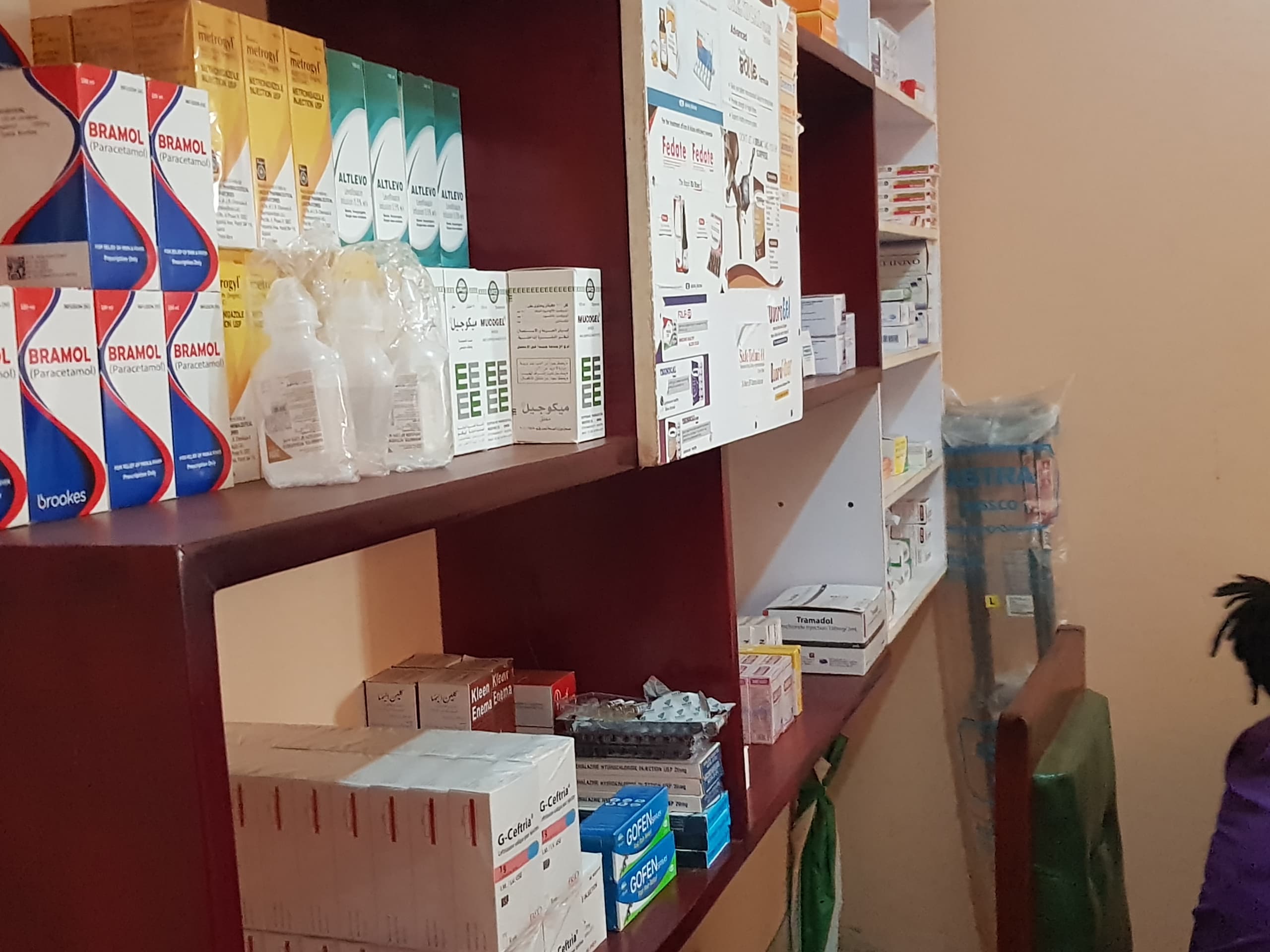
Visit Michoes Today

  • Get immediate help and diagnosis
  • Timely Prescriptions
  • Expert surgical and orthopedic care

Comments

Leave a Reply

Your email address will not be published. Required fields are marked *

  • Family Doctor in Kumi, Eastern Uganda: Michoes Medical Centre

    Family Doctor in Kumi, Eastern Uganda: Michoes Medical Centre

    Michoes Medical Centre is a 24/7 private medical centre located in Kanyum, Kumi District, Eastern Uganda. We offer comprehensive primary care services for individuals and families living in the surrounding areas of Kumi, Soroti, Bukedea, Ngora, and Katakwi. Our family doctor in Kumi is Dr. Michael Emusugut, a Senior Orthopedic Consultant with extensive experience in…

  • Family Doctor in Kumi, 24/7 Medical Centre Open

    Family Doctor in Kumi, 24/7 Medical Centre Open

    Michoes Medical Centre is your trusted healthcare partner in the heart of Kanyum, Kumi. Our family doctor services are designed to cater to your medical needs, ensuring you receive comprehensive care from our experienced team. With our state-of-the-art facilities and 24/7 availability, you can rely on us for immediate attention whenever you need it. Our…

  • Multiple Sclerosis: Causes, Symptoms, and Treatment Options

    Multiple Sclerosis: Causes, Symptoms, and Treatment Options

    Multiple sclerosis (MS) is a chronic autoimmune disease that affects the central nervous system, causing a range of symptoms including vision problems, mobility issues, pain, and fatigue. In this article, we will discuss the causes, symptoms, treatment options, and management strategies for MS. Causes of Multiple Sclerosis MS is caused by an abnormal immune response…

  • Nervous System: Understanding its Functions and Importance

    Nervous System: Understanding its Functions and Importance

    The nervous system is a complex network of nerve cells, or neurons, that transmit and process information throughout the body. It consists of two main parts: the central nervous system (CNS), which includes the brain and spinal cord, and the peripheral nervous system (PNS), which includes nerves that connect the CNS to the rest of…

  • Pregnancy and Multiple Sclerosis: Balancing Risks for a Healthy Outcome

    Pregnancy and Multiple Sclerosis: Balancing Risks for a Healthy Outcome

    Michoes Medical Centre: Your Partner in Managing MS Symptoms During Pregnancy and Delivery Call us today at +256701364362 or WhatsApp us at +256779784473 to schedule an appointment with our specialist team. Pregnancy and Multiple Sclerosis: Balancing Risks for a Healthy Outcome Multiple sclerosis (MS) often first appears in your 20s to 40s, smack dab in…

  • Managing MS Fatigue: Tips and Strategies for a Better Quality of Life

    Managing MS Fatigue: Tips and Strategies for a Better Quality of Life

    Multiple sclerosis (MS) fatigue isn’t the same as tiredness. Tiredness affects everyone after certain activities or at the end of the day. Usually, you know why you’re tired, and a good night’s sleep solves the problem. Most people with MS also experience MS fatigue. Chronic MS fatigue can affect your mental health and emotional well-being,…

  • Respiratory Syncytial Virus (RSV) Symptoms, Treatment and Prevention

    Respiratory Syncytial Virus (RSV) Symptoms, Treatment and Prevention

    Respiratory Syncytial Virus (RSV) is a common virus that affects the respiratory system and can cause mild to severe symptoms. RSV is highly contagious and can be spread through contact with infected saliva or mucus, contaminated surfaces, or by touching someone who has RSV. What are the symptoms of RSV? RSV symptoms typically appear 4-6…

  • Hemoptysis: Know the Signs, Symptoms, and Treatment Options

    Hemoptysis: Know the Signs, Symptoms, and Treatment Options

    As you breathe in, your lungs work hard to bring oxygen into your body. But sometimes, your lungs can bleed, leading to hemoptysis – coughing up blood. In this post, we’ll explore the causes, symptoms, and treatment options for hemoptysis, so you can feel better faster. Hemoptysis is when you cough up blood from your…

  • Expert Medical Care in Kanyum, Kumi: Michoes Medical Centre

    Expert Medical Care in Kanyum, Kumi: Michoes Medical Centre

    Located in the heart of Kanyum, Kumi District, Eastern Uganda, Michoes Medical Centre is your trusted partner in delivering high-quality, patient-centered healthcare. As a leading medical centre in the region, we offer a wide range of services designed to cater to your unique needs. Family Doctor and General Health Services Our family doctor services are…

  • Get 24/7 Medical Care in Kanyum, Uganda – Michoes Medical Centre

    Get 24/7 Medical Care in Kanyum, Uganda – Michoes Medical Centre

    Michoes Medical Centre is your trusted healthcare partner in Kanyum, Kumi District, Eastern Uganda. We are committed to providing compassionate and advanced medical care, available 24 hours a day, 7 days a week. Our state-of-the-art facility offers a wide range of services, including primary care, chronic disease management, women’s health, men’s health, pediatric care, specialty…