
# Morning After Pill: What You Need to Know

The morning after pill, also known as emergency contraception, is a type of birth control used to prevent pregnancy after unprotected sex. It’s essential to understand the different types, how they work, and when to take them.

What are Emergency Contraception Pills?

Emergency contraception pills are designed to be taken after unprotected sex to prevent pregnancy. They contain hormones that help prevent ovulation or fertilization of an egg.

There are two main types of emergency contraception pills: levonorgestrel-based and ulipristal acetate-based.

Levonorgestrel-Based Pills

These pills contain the hormone levonorgestrel, which is similar to progestin. They’re available over-the-counter (OTC) in many countries and can be taken up to 72 hours after unprotected sex.

Some popular brands of levonorgestrel-based emergency contraception pills include Plan B One-Step, My Way, and Next Choice One Dose.

Ulipristal Acetate-Based Pills

These pills contain the hormone ulipristal acetate, which is different from levonorgestrel. They’re available by prescription only and should be taken up to 5 days after unprotected sex.

Some popular brands of ulipristal acetate-based emergency contraception pills include Ella.

How Do Emergency Contraception Pills Work?

Emergency contraception pills work in different ways, depending on the type:

* Levonorgestrel-based pills: They can prevent ovulation by thickening cervical mucus and preventing sperm from reaching an egg.
* Ulipristal acetate-based pills: They can also prevent ovulation, but they may also delay or stop ovulation.

When to Take Emergency Contraception Pills?

It’s essential to take emergency contraception pills as soon as possible after unprotected sex. The sooner you take them, the more effective they’ll be:

* Levonorgestrel-based pills: Can be taken up to 72 hours after unprotected sex.
* Ulipristal acetate-based pills: Can be taken up to 5 days after unprotected sex.

What Are the Side Effects of Emergency Contraception Pills?

Emergency contraception pills can cause mild side effects, such as:

* Nausea
* Vomiting
* Mild stomach pain
* Headache

These side effects are usually temporary and may go away on their own. If you experience severe nausea or vomiting, seek medical attention.

Do Emergency Contraception Pills Affect Fertility?

Emergency contraception pills do not affect fertility in the long term. They’re designed to prevent pregnancy after unprotected sex, not to affect future pregnancies.

However, taking emergency contraception pills regularly can increase the risk of certain health problems, such as blood clots and stroke.

Get Professional Help

If you’ve had unprotected sex and want to use emergency contraception, consult a healthcare professional. They can help you determine the best course of action and provide guidance on how to use the pills safely.

Don’t forget to schedule your follow-up appointment at Michoes Medical Centre for any necessary check-ups or additional assistance

Contact Michoes: +1 234-567-8900

Find more information on our website: michoesmedicalcentre.com
Visit Michoes Today

  • Get immediate help and diagnosis
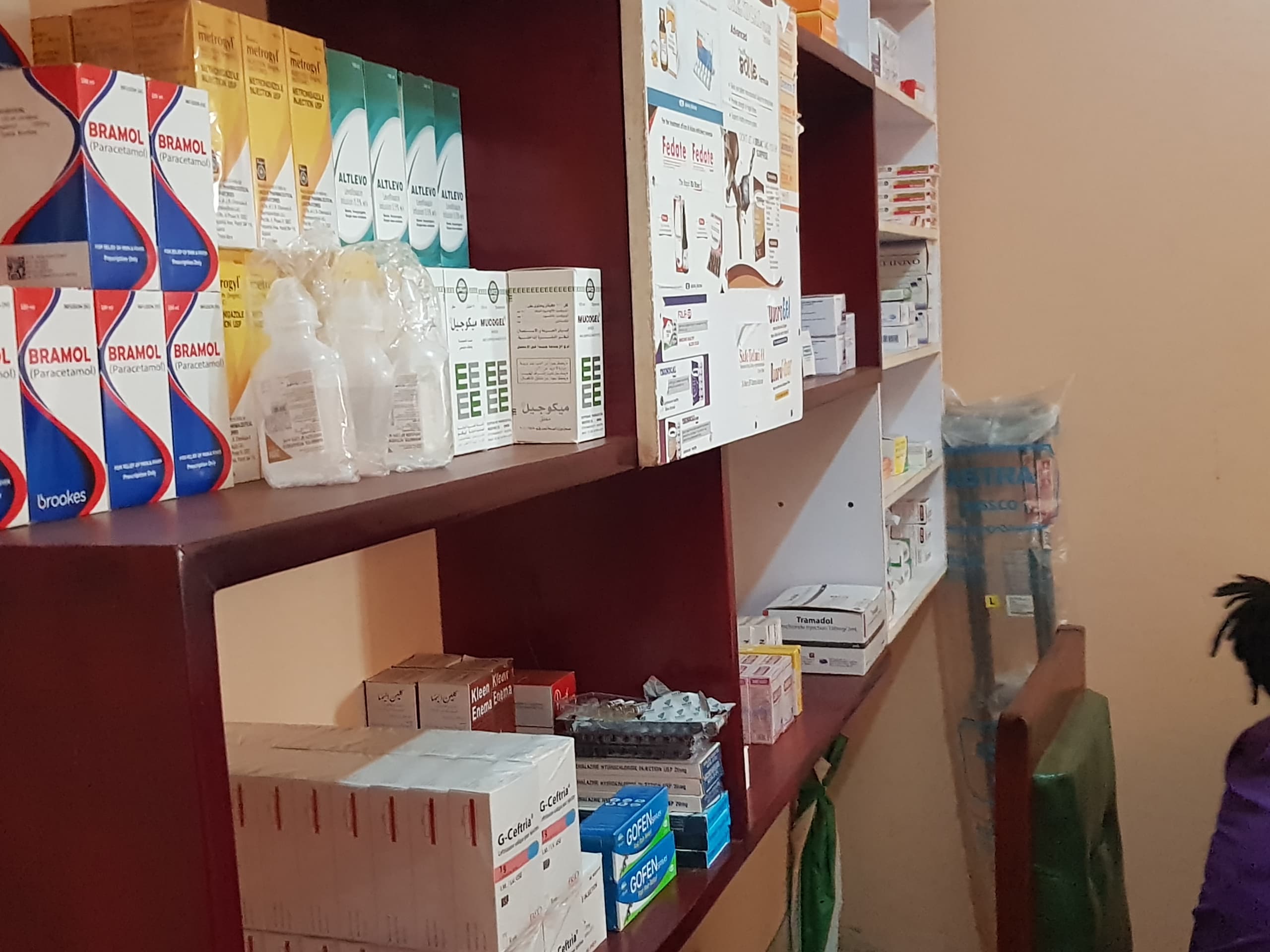
  • Timely Prescriptions
  • Expert surgical and orthopedic care

Comments

Leave a Reply

Your email address will not be published. Required fields are marked *

  • DVT: Causes, Symptoms, and Prevention

    DVT: Causes, Symptoms, and Prevention

    Deep Vein Thrombosis (DVT) is a blood clot that forms in the deep veins of the body, most commonly in the legs. It can be life-threatening if it breaks loose and travels to the lungs, causing a pulmonary embolism. In this article, we will discuss the causes, symptoms, and prevention strategies for DVT. DVT is…

  • Deep Vein Thrombosis (DVT) Risk Higher for Black People: Know Your Symptoms and Prevention Tips

    Deep Vein Thrombosis (DVT) Risk Higher for Black People: Know Your Symptoms and Prevention Tips

    Black people are at a higher risk of developing deep vein thrombosis (DVT), also known as blood clots, compared to people of other races. According to studies, Black Americans have 30% to 60% higher rates of DVT than white people. A DVT can be life-threatening if it breaks loose and travels to the lungs, causing…

  • Leg Swelling: Causes, Symptoms, and Treatment Options

    Leg Swelling: Causes, Symptoms, and Treatment Options

    Leg swelling can be a common and frustrating condition that affects millions of people worldwide. It is characterized by the accumulation of fluid in the legs, which can lead to discomfort, pain, and even serious health complications if left untreated. In this article, we will explore the causes of leg swelling, its symptoms, treatment options,…

  • DVT Treatment and Prevention at Michoes Medical Centre

    DVT Treatment and Prevention at Michoes Medical Centre

    At Michoes Medical Centre, we understand the importance of prompt treatment for Deep Vein Thrombosis (DVT) to prevent complications. Our team of experienced doctors and medical professionals are committed to providing safe and effective treatment options. Deep Vein Thrombosis is a serious condition that occurs when a blood clot forms in a deep vein, usually…

  • Deep Vein Thrombosis (DVT) Risk Factors and Prevention: Know Your Symptoms

    Deep Vein Thrombosis (DVT) Risk Factors and Prevention: Know Your Symptoms

    As a woman living in Kanyum, Kumi, Soroti, or surrounding areas of Eastern Uganda, it’s essential to understand the risks of Deep Vein Thrombosis (DVT), a condition that can be life-threatening if left untreated. At Michoes Medical Centre, our dedicated team is committed to providing you with accurate information and expert care to prevent DVT…

  • # Deep Vein Thrombosis (DVT)

    # Deep Vein Thrombosis (DVT)

    Deep vein thrombosis, also known as DVT, is a condition where a blood clot forms in the deep veins of the body. This can be life-threatening if it breaks off and travels to the lungs, causing a pulmonary embolism. ## Symptoms Symptoms of DVT may include: * Swelling in one leg * Pain or tenderness…

  • Faster Heartbeat: What Causes It and What to Do?

    Faster Heartbeat: What Causes It and What to Do?

    A faster heartbeat, also known as tachycardia, can be caused by various factors. Understanding the causes of this condition is essential to prevent a medical emergency. Tachycardia can be caused by many medications, including antibiotics, antidepressants, and even certain supplements. Types of Tachycardia Postural Orthostatic Tachycardia Syndrome (POTS) is a circulatory disorder that can make…

  • Michoes Medical Centre – Your Partner in Healthcare for Kanyum, Kumi District, Eastern Uganda

    Michoes Medical Centre – Your Partner in Healthcare for Kanyum, Kumi District, Eastern Uganda

    Welcome to Michoes Medical Centre, your trusted healthcare partner in Kanyum, Kumi District, and surrounding areas of Eastern Uganda. We are dedicated to providing quality medical care with a focus on patient-centered services. Our experienced team of doctors and medical professionals is committed to delivering exceptional care that meets the unique needs of our patients.…

  • Michoes Medical Centre: Your 24/7 Health Partner in Kanyum, Kumi District

    Michoes Medical Centre: Your 24/7 Health Partner in Kanyum, Kumi District

    Welcome to Michoes Medical Centre, your trusted healthcare partner in Kanyum, Kumi District. We are a state-of-the-art, 24/7 medical centre dedicated to providing compassionate and patient-first care to our community. Located in the heart of Kanyum, we offer a wide range of services tailored to meet the unique needs of our patients. From primary care…

  • Endoscopy: Understanding the Procedure and Risks

    Endoscopy: Understanding the Procedure and Risks

    Endoscopy is a medical procedure that uses a long, thin tube with a light and camera attached to diagnose and treat conditions in the digestive tract. The procedure can be performed in various parts of the digestive system, including the esophagus, stomach, small intestine, and colon. During an endoscopy, the doctor will insert the scope…