Michoes Medical Centre – Your Trusted Partner in Healthcare

For more than three decades, care for small-cell lung cancer (SCLC) remained mostly the same. That’s changing now — doctors have a new option called immunotherapy. This line of treatment uses your body’s own immune system to fight cancer. What Is Immunotherapy? The immune system is your body’s defense against harmful substances. It attacks foreign particles, like germs and viruses. But cancer can confuse your body. As cells change and grow out of control, your immune system may not think of them as a threat. Scientists have developed drugs to help your immune system target and destroy cancerous cells. They include: Immune checkpoint inhibitors. Some immune cells have proteins that act as off switches. These ‘checkpoints’ prevent them from killing cancer cells. Immune checkpoint inhibitors target these proteins and allow immune cells to attack the cancer. Cancer vaccines. These substances kick-start an immune system response. They can prevent or treat certain cancers. Scientists are beginning to study vaccines for SCLC. Which Drugs Treat SCLC? There are several FDA-approved immunotherapy drugs for SCLC, including: Atezolizumab (Tecentriq) and Durvalumab (Imfinzi). You might take these immune checkpoint inhibitors alongside chemotherapy. Nivolumab (Opdivo) and Pembrolizumab (Keytruda). You might take these immune checkpoint inhibitors if your cancer doesn’t respond or returns after treatment with a certain chemotherapy. Tarlatamab (Imdelltra). This is a newer type of immunotherapy called a bispecific T-cell engager (BiTE). It acts like a matchmaker. One end of the medicine attaches to a cancer cell, while the other end grabs a T cell (a powerful part of your immune system). By pulling them together, the medicine forces your immune system to see and destroy the cancer. When Do You Get Immunotherapy? Depending on how much your cancer has spread, your cancer doctor will usually recommend treatment with surgery, chemotherapy, or radiation. But SCLC is an aggressive disease that grows quickly. It often becomes resistant to the chemotherapy drugs. Most of the time, the cancer returns. That’s when it’s time to try immunotherapy. Because scientists are still studying the drugs, doctors are careful about when to prescribe them. They can cause serious side effects, like inflammation of the organs. Your doctor will weigh the pros and cons. Most people get immunotherapy after two or more rounds of chemotherapy. How Do You Get the Treatment? You go to your doctor’s office, a clinic, or the outpatient unit of a hospital. An IV will deliver the immunotherapy into your vein. The process usually takes around an hour. Depending on the drug, you’ll receive treatment every few weeks. Your doctor will decide how long you’ll get this medication. Usually, the goal is to prevent the cancer from getting worse instead of curing the disease.

Lung cancer raises your pneumonia risk. Learn how these conditions are linked, how they’re different, and about their diagnosis, treatment, and prevention. Some breathing problems are a sign that something is wrong with your heart. Smoking is the leading cause of preventable death in the United States. Here’s how it damages different parts of your body. Discover how real people living with lung cancer manage and cope with their cancer symptoms, from daily habits to treatments that truly help

Lung cancer is the leading cause of cancer deaths in the United States. Some of the country’s biggest stars are part of that statistic. You can’t see, feel, taste, or smell it, but radon can be present anywhere. Learn more about this radioactive gas and how to keep your exposure low. Find out why pain in the back is sometimes a symptom of lung cancer, and how you can treat it. Learn about the cough associated with lung cancer, including symptoms, causes, diagnosis, and treatment options.

Non-small-cell lung cancer is the most common type of lung cancer. It’s serious, but treatment can sometimes cure it or stop it from getting worse. michoesmedicalcentre explains.

Chemotherapy is a common cancer treatment. Learn more about how it works, what to expect during treatment, common side effects, and other FAQs.

For your healthcare needs in Kanyum, Kumi District, Eastern Uganda, visit Michoes Medical Centre today!

For more information or to schedule an appointment, call us at +256701364362 or WhatsApp +256779784473. We are open 24/7 for your convenience.
Visit Michoes Today

  • Get immediate help and diagnosis
  • Timely Prescriptions
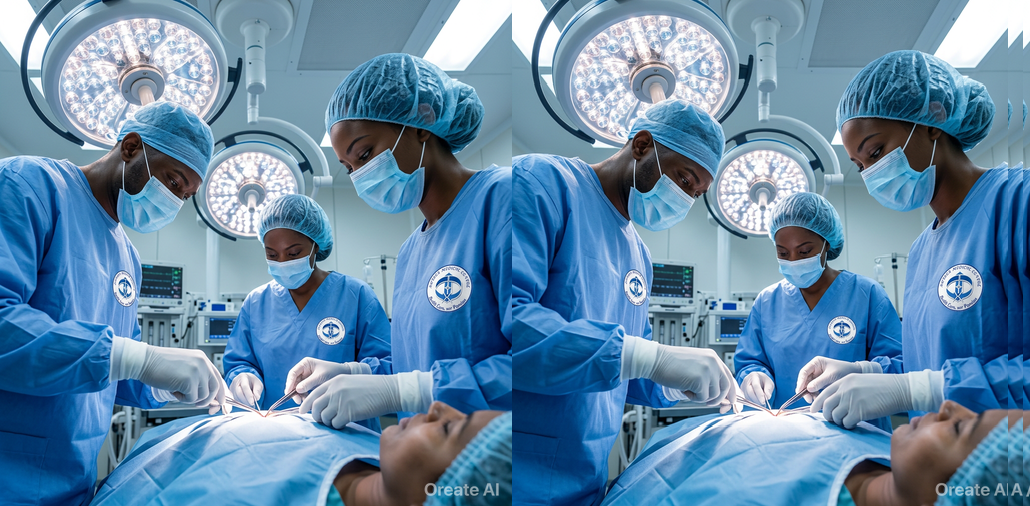
  • Expert surgical and orthopedic care

Comments

Leave a Reply

Your email address will not be published. Required fields are marked *

  • Managing Impulsive Behavior

    Managing Impulsive Behavior

    Impulsive behavior can be a symptom of several conditions, including attention deficit hyperactivity disorder (ADHD), bipolar disorder, and impulse control disorders. It’s essential to understand the causes and consequences of impulsive behavior to develop effective strategies for management. Impulsive behavior can manifest in various ways, such as interrupting others, shouting out answers, or having trouble…

  • Understanding Alzheimer’s Disease: Causes, Symptoms, and Treatment Options

    Understanding Alzheimer’s Disease: Causes, Symptoms, and Treatment Options

    Alzheimer’s disease is a progressive neurological disorder that affects memory, thinking, and behavior. It is the most common cause of dementia in older people, accounting for 60-80% of all dementia cases. In this article, we will delve into the causes, symptoms, and treatment options for Alzheimer’s disease. What Causes Alzheimer’s Disease? Alzheimer’s disease is a…

  • Michoes Medical Centre: Your Trusted Healthcare Partner in Kanyum, Kumi District

    Michoes Medical Centre: Your Trusted Healthcare Partner in Kanyum, Kumi District

    Welcome to Michoes Medical Centre, your premier healthcare destination in the heart of Kanyum, Kumi District. Our state-of-the-art facility is dedicated to providing exceptional medical care, compassion, and kindness to our patients. We understand that navigating the complexities of healthcare can be overwhelming, which is why we’re here to guide you every step of the…

  • Treatment for Depression and Severe Depression: ECT, TMS, VNS, and More

    Treatment for Depression and Severe Depression: ECT, TMS, VNS, and More

    Electroconvulsive therapy (ECT) is a treatment that involves the use of electric currents to stimulate brain activity. It is often used as a last resort for patients with severe depression who have not responded to other treatments. Treatment-resistant depression refers to the type of depression that does not respond to medication or psychotherapy. ECT has…

  • Dissociation: Understanding the Condition and Finding Help

    Dissociation: Understanding the Condition and Finding Help

    Dissociation is a complex mental health condition that can manifest in different ways. It involves a disconnection from one’s thoughts, feelings, or experiences, which can be caused by various factors such as trauma, stress, or anxiety. Dissociative disorders are mental health conditions characterized by disruptions in memory, identity, and sense of self. The symptoms can…

  • Understanding Alzheimer’s Disease and Its Effects on Daily Life

    Understanding Alzheimer’s Disease and Its Effects on Daily Life

    Alzheimer’s disease is a progressive neurological disorder that affects memory, thinking, and behavior. It is the most common cause of dementia among older adults, accounting for 60-80% of all dementia cases. According to the World Health Organization (WHO), an estimated 50 million people worldwide live with dementia, with numbers expected to triple by 2050. Causes…

  • Alzheimer’s Disease: Understanding the Risks and Challenges in Asian Communities

    Alzheimer’s Disease: Understanding the Risks and Challenges in Asian Communities

    Alzheimer’s disease is a growing concern in Asian communities, with unique challenges and health disparities. As an Asian American caregiver or individual, it’s essential to understand the risks and challenges associated with Alzheimer’s disease, as well as ways to access support and resources. In Asian cultures, filial piety and respect for elders are deeply ingrained…

  • Dermatitis: Symptoms, Treatment, and Prevention

    Dermatitis: Symptoms, Treatment, and Prevention

    Dermatitis is a common skin condition that affects millions of people worldwide. It is characterized by redness, itching, and inflammation of the skin, and can be caused by a variety of factors such as allergies, irritants, and genetic predisposition. Types of Dermatitis There are several types of dermatitis, including atopic dermatitis (eczema), contact dermatitis, seborrheic…

  • Dyshidrotic Eczema: Treatment, Causes and Management at Michoes Medical Centre

    Dyshidrotic Eczema: Treatment, Causes and Management at Michoes Medical Centre

    Dyshidrotic eczema is a sudden rash of small, itchy blisters on your palms and along the sides of your fingers. This skin condition can also make blisters pop up on the soles of your feet or on your toes. Your doctor might call it by other names, including dyshidrosis, foot-and-hand eczema, pompholyx, vesicular eczema, or…

  • Michoes Medical Centre: Your Partner in Health for Eastern Uganda

    Michoes Medical Centre: Your Partner in Health for Eastern Uganda

    Michoes Medical Centre is your trusted healthcare partner, located in the heart of Kanyum, Kumi District. Our 24/7 private medical centre provides advanced, compassionate, and patient-first healthcare to communities across Eastern Uganda. We understand that every moment counts when it comes to your health. That’s why we’re always here for you, day or night, with…