

Managing Rheumatoid Arthritis: Expert Care and Support at Michoes Medical Centre

When you’re living with rheumatoid arthritis (RA), your symptoms can be a roller coaster ride. One day, you’re feeling pretty good, but the next morning, pain and stiffness can flare up without much notice. Some simple steps may keep joint problems from coming back. Do a little detective work. If you can figure out what’s making your symptoms worse, you may be able to avoid problems down the road.

RA is unpredictable. It can be better or worse for reasons you can’t control. Infections can be a culprit. So can stress. Some people get flares if they overdo it. Others say certain foods trigger problems, though there’s not a lot of research to back that up.

The most important thing you can do to avoid a flare is to take your medicine on time. A regular schedule helps you keep a constant level of medicine in your body. Don’t skip doses. Use a pillbox, calendar, or alarm to help stay on track.

Call your doctor right away if you feel a flare coming on. They may be able to tweak your meds to get your symptoms under control. When you’re stressed out, it’s not just in your head. Your body makes more stress hormones, which may trigger RA symptoms.

There’s no way to avoid stress completely, of course. But you can help prevent it if you take better care of yourself when you know that you have stressful events coming up, like work deadlines. Look for new ways to ease your mind. For instance, exercise releases “feel-good” hormones called endorphins. Studies show that moving around improves your mood and helps you sleep better.

Pick activities that don’t put pressure on your joints. For example, go for a walk instead of a jog. Mind-body techniques also can lower stress. Examples are: checking to see if your local community center offers free or low-cost classes.

When you sleep, your muscles repair themselves, and your brain makes chemicals that help ease pain. So if you’re not getting your ZZZs, that’s a problem. It can be a vicious cycle: you can’t sleep well because of RA pain, and the pain gets worse because you can’t sleep.

If you want to adjust your diet, it’s probably fine. Just don’t make big changes — like cutting out a lot of foods at once or skipping entire food groups — until you talk about it with your doctor.

On days when you feel good, you may be tempted to catch up on the things you couldn’t get done when your RA was bothering you. Be careful not to do too much. You can bring on fatigue and trigger a flare if you push yourself too hard. Decide which of your chores are most important, and then do them at a leisurely pace.

Take a lot of breaks, even if you don’t feel tired. Don’t forget to ask your friends and family to help.

It’s the last thing you need when you’re already feeling sick, but the flu and other illnesses can bring on an RA flare. For some kinds of infections, medication can help. But with the flu, the best treatment is usually time and rest. To protect yourself, make sure you get a flu shot each year.

A lot of women notice that their RA symptoms get better during pregnancy. For some, that lasts after birth. But for others, flares come back after the baby is born, which can make those early days with a newborn even harder.

Work with your doctor to control symptoms. If you’re breastfeeding, make sure your medications are safe for your baby.

Lighting up is linked with a higher risk of getting RA in the first place. It can also make the disease worse. If you want to quit but are having a hard time, your doctor may be able to help. Avoiding triggers is important, but you also need to understand the limits of what you can do to stop flares.

Sometimes, you do everything right — like taking your medicine regularly, avoiding triggers, eating healthy, and exercising — and still get flares. So when you have a flare, don’t blame yourself or go crazy trying to track down triggers.

Get some extra rest, take care of yourself, and check in with your doctor. You may need to change your medication until the flare ends and you’re feeling like yourself again.

Book an appointment today at Michoes Medical Centre: +254 707 000 777

Learn more about RA natural remedies and alternative therapies at michoesmedicalcentre.com
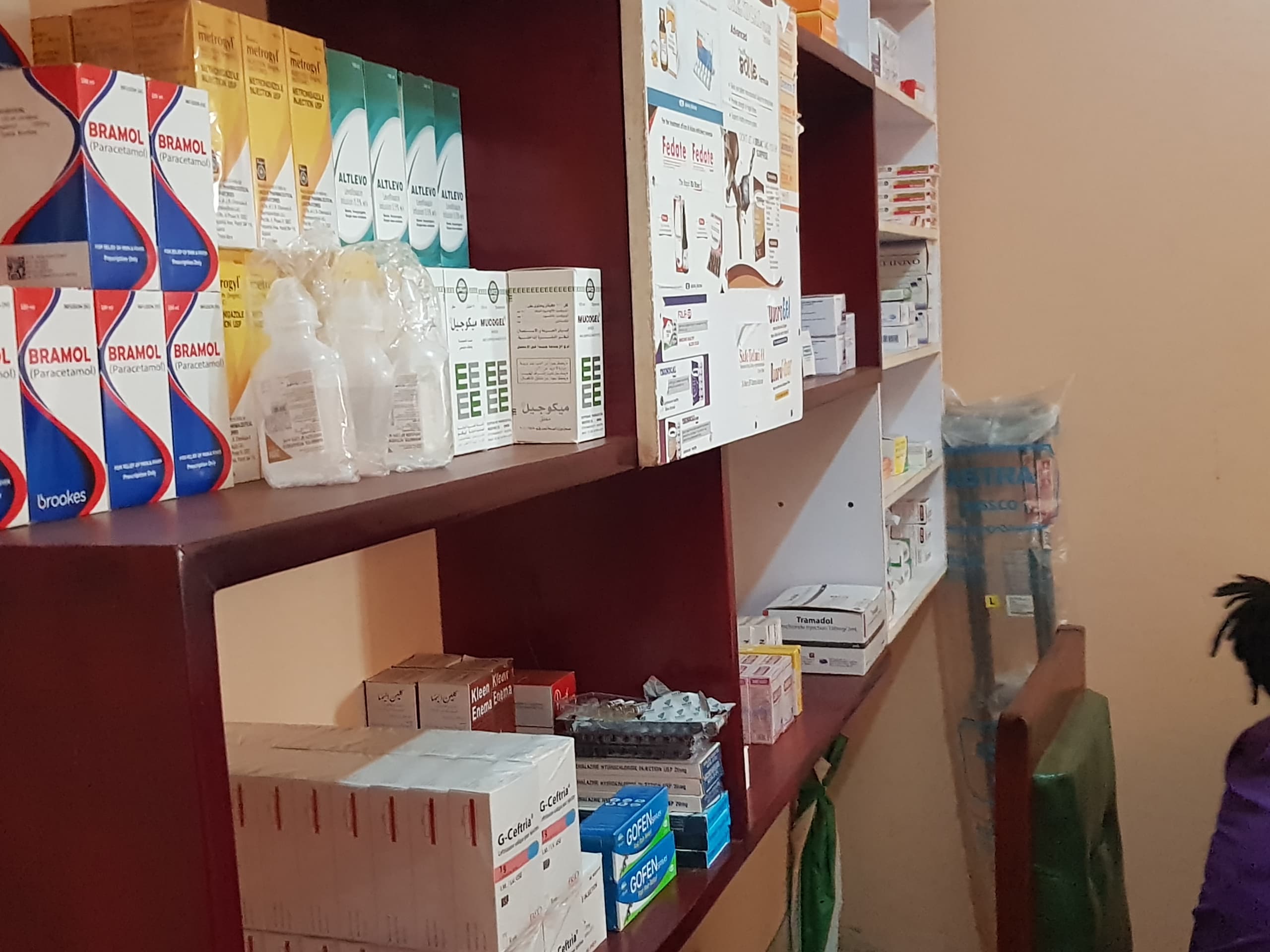
Visit Michoes Today

  • Get immediate help and diagnosis
  • Timely Prescriptions
  • Expert surgical and orthopedic care

Comments

Leave a Reply

Your email address will not be published. Required fields are marked *

  • Family Doctor in Kumi: Advanced Care with 24/7 Availability

    Family Doctor in Kumi: Advanced Care with 24/7 Availability

    At Michoes Medical Centre, we understand the importance of quality healthcare services for families living in and around Kumi District. Our state-of-the-art facilities and experienced doctors are committed to providing personalized care that meets your unique needs. Expertise in General Medicine We offer a wide range of medical services, including general medicine, pediatrics, obstetrics, gynecology,…

  • Dopamine: The Hormone That Regulates Pleasure, Motivation, and Movement

    Dopamine: The Hormone That Regulates Pleasure, Motivation, and Movement

    Dopamine is a complex brain chemical that plays a major role in regulating pleasure, motivation, and movement. It sends chemical messages in the brain to let you know that something feels good, which can lead to feelings of happiness and reward. However, an imbalance of dopamine levels can cause problems with impulsive behavior, sleep, and…

  • Michoes Medical Centre – Your Trusted Partner in Men’s Health

    Michoes Medical Centre – Your Trusted Partner in Men’s Health

    Welcome to Michoes Medical Centre, your premier destination for all men’s health concerns. Our team of expert doctors and medical professionals are dedicated to providing you with the best possible care, addressing a wide range of conditions affecting men’s reproductive health, hormonal balance, and overall well-being. At Michoes Medical Centre, we understand the importance of…

  • Understanding Apraxia of Speech and Speech Disorders

    Understanding Apraxia of Speech and Speech Disorders

    Apraxia of speech is a neurological disorder that affects an individual’s ability to form words and sentences correctly. It can be caused by brain damage, stroke, or other conditions such as childhood apraxia of speech (CAS), which may be caused by genetics or a brain injury from conditions like childhood stroke, epilepsy, or infection. Causes…

  • Michoes Medical Centre: Your Trusted Partner for Hyperosmia Treatment in Kumi, Uganda

    Michoes Medical Centre: Your Trusted Partner for Hyperosmia Treatment in Kumi, Uganda

    Hyperosmia is a rare condition where you have an overwhelming sensitivity to smells. At Michoes Medical Centre, we understand the impact this can have on your daily life and are committed to providing effective treatment options. Our team of experts, led by Senior Orthopedic Consultant Michael Emusugut, will work with you to determine the underlying…

  • Dysautonomia: Understanding the Autonomic Nervous System

    Dysautonomia: Understanding the Autonomic Nervous System

    Dysautonomia, also known as autonomic dysfunction, refers to a group of medical disorders caused by problems with the autonomic nervous system (ANS). Your ANS controls your body’s automatic functions, such as heart rate, digestion, blood pressure, kidney function, and more. Dysautonomia can show up in your body in many ways, affecting various parts of your…

  • Understanding Adult ADHD: Symptoms, Causes, and Treatment Options

    Understanding Adult ADHD: Symptoms, Causes, and Treatment Options

    Adult Attention Deficit Hyperactivity Disorder (ADHD) is a neurodevelopmental disorder that affects both children and adults. It is characterized by symptoms of inattention, hyperactivity, and impulsivity. In this article, we will discuss the causes, symptoms, and treatment options for adult ADHD. Causes of Adult ADHD The exact cause of adult ADHD is not known, but…

  • IVIg Therapy for Autoimmune Diseases

    IVIg Therapy for Autoimmune Diseases

    IVIg therapy is a treatment option for people with autoimmune diseases that affect the immune system. It involves administering intravenous immunoglobulin (IVIG) to replenish antibodies and help rebuild the immune system. People with autoimmune diseases, such as lupus or multiple sclerosis, may benefit from IVIg therapy. This treatment can help reduce the risk of infections,…

  • Michoes Medical Centre: Your Trusted Partner in Healthcare for Schilder’s Disease and Beyond

    Michoes Medical Centre: Your Trusted Partner in Healthcare for Schilder’s Disease and Beyond

    Schilder’s disease is a rare condition that usually starts in childhood. It’s most common in boys between 7 and 12 years old. It’s a problem with the body’s myelin, which acts as a protective layer around nerves. Myelin helps signals move faster around the body, similar to how electricity flows through electric wires. At Michoes…

  • Palliative Care: Relief for Serious Illnesses

    Palliative Care: Relief for Serious Illnesses

    Palliative care is a type of care that focuses on relieving the symptoms, pain, and stress of serious illnesses, as well as improving quality of life for patients and their families. It’s not just for people who are at the end of life; rather, it’s for anyone living with a serious or chronic medical condition.…