
Managing High A1C Levels: Tips and Strategies for Diabetes Management

To manage high A1C levels, it’s essential to make lifestyle changes that promote healthy blood sugar control. By following these tips, you can lower your A1C level and reduce the risk of complications associated with diabetes.

Understand Your A1C Test Results

Your doctor will interpret your A1C test results and provide guidance on how to manage your blood sugar levels. If your A1C level is above 7%, it indicates that your average blood sugar levels are higher than normal. Work with your doctor to develop a plan to lower your A1C level.

Make Healthy Dietary Changes

Focus on whole, unprocessed foods like vegetables, fruits, lean proteins, and whole grains. These foods can help you manage your blood sugar levels and reduce inflammation in the body.

Stay Hydrated with Plenty of Water

Drinking plenty of water can help regulate blood sugar levels and improve overall health. Aim to drink at least eight glasses of water per day.

Exercise Regularly for Better Blood Sugar Control

Regular exercise can help lower A1C levels by improving insulin sensitivity and reducing inflammation in the body. Aim for at least 150 minutes of moderate-intensity aerobic exercise, or 75 minutes of vigorous-intensity aerobic exercise, per week.

Get Enough Sleep to Regulate Blood Sugar Levels

Getting enough sleep is essential for regulating blood sugar levels and managing diabetes. Aim for 7-8 hours of sleep per night.

Monitor Your Blood Sugar Levels Regularly

Monitoring your blood sugar levels regularly can help you identify patterns and make adjustments to your treatment plan as needed. Use a glucometer to track your blood sugar levels at least twice a day, before meals and after meals.

Stay Connected with Your Healthcare Team

Working closely with your healthcare team is essential for managing high A1C levels. Regular check-ins with your doctor can help you stay on track and make adjustments to your treatment plan as needed.

Take Your Medications as Prescribed

Taking your medications as prescribed by your doctor is crucial for managing diabetes and lowering A1C levels. Adherence to medication regimens can significantly impact blood sugar control and overall health.

Lose Weight if Needed

Weight loss, especially around the waistline, can help lower A1C levels. Aim for a weight loss goal of 5-10% of your body weight to improve insulin sensitivity and reduce inflammation in the body.

Get Enough Protein to Support Blood Sugar Control

Adequate protein intake is essential for supporting blood sugar control. Include lean protein sources like chicken, fish, tofu, and legumes in your diet to help regulate blood sugar levels.

Limit Added Sugars and Refined Carbohydrates

Limiting added sugars and refined carbohydrates can help lower A1C levels. Focus on whole, unprocessed foods and limit sugary drinks, baked goods, and processed snacks.

Manage Stress to Reduce Inflammation

Chronic stress can lead to inflammation in the body, which can negatively impact blood sugar control. Engage in stress-reducing activities like yoga, meditation, or deep breathing exercises to help manage stress and reduce inflammation.

Cut Down on Saturated Fats and Cholesterol

Reducing saturated fat and cholesterol intake can help lower A1C levels. Focus on healthy fats like avocado, nuts, and olive oil in your diet.

Avoid Smoking and Secondhand Smoke

Smoking and secondhand smoke can worsen blood sugar control and increase the risk of complications associated with diabetes. Quit smoking and avoid exposure to secondhand smoke to improve overall health.

Get Regular Check-Ups with Your Doctor

Scheduling regular check-ups with your doctor is essential for managing high A1C levels. Regular monitoring can help identify any changes in blood sugar control or the presence of complications associated with diabetes.

Stay Informed and Engaged with Diabetes Education

Staying informed and engaged with diabetes education can help you manage high A1C levels. Attend educational workshops, seminars, or online courses to learn more about managing diabetes and improving overall health.

Contact Us for Support

If you’re struggling to manage your blood sugar levels or experiencing complications associated with diabetes, contact us at [Phone Number] or [Email Address] for support and guidance. Our team is here to help you achieve optimal health and well-being.

Don’t wait any longer to take control of your diabetes management. Contact us today to schedule an appointment with one of our healthcare professionals and start working towards a healthier, happier you!
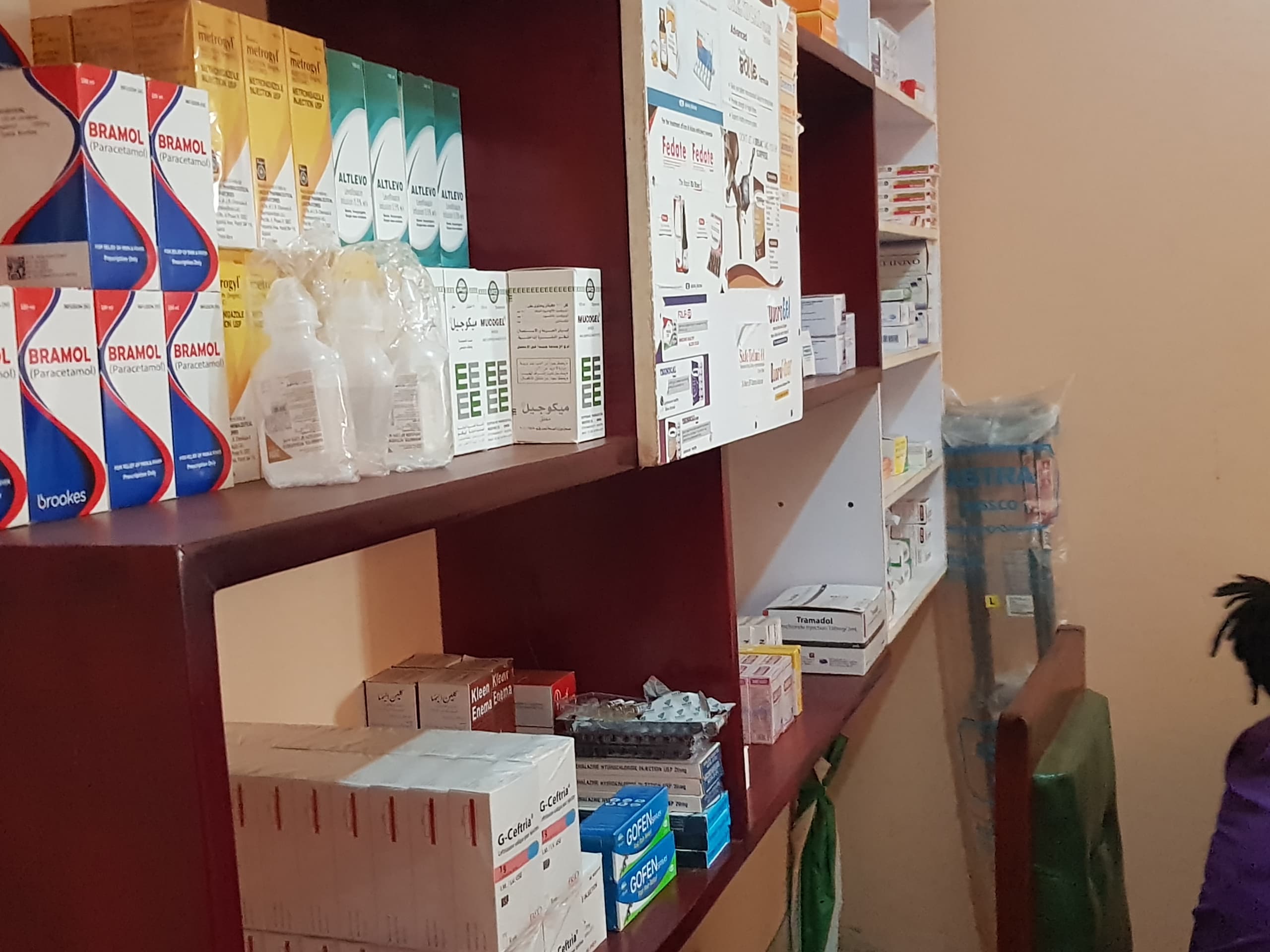
Visit Michoes Today

  • Get immediate help and diagnosis
  • Timely Prescriptions
  • Expert surgical and orthopedic care

Comments

Leave a Reply

Your email address will not be published. Required fields are marked *

  • Inflammatory Bowel Disease (IBD): Causes, Symptoms, Treatment, and Management

    Inflammatory Bowel Disease (IBD): Causes, Symptoms, Treatment, and Management

    Inflammatory bowel disease (IBD) is a chronic condition that causes inflammation in the digestive tract. IBD can be divided into two main types: Crohn’s disease and ulcerative colitis. Crohn’s disease is a type of IBD that affects any part of the gastrointestinal tract, from the mouth to the anus. It can cause symptoms such as…

  • Managing Ulcerative Colitis with Michoes Medical Centre in Kumi, Uganda

    Managing Ulcerative Colitis with Michoes Medical Centre in Kumi, Uganda

    Ulcerative colitis (UC) is a chronic condition that affects the large intestine, causing inflammation and ulcers. At Michoes Medical Centre in Kumi, Uganda, we offer comprehensive care for UC patients, including diagnosis, treatment, and management of symptoms. What is Ulcerative Colitis? Ulcerative colitis is a type of inflammatory bowel disease (IBD) that causes irritation and…

  • Michoes Medical Centre: Your 24/7 Partner in Healthcare for Kanyum and Beyond

    Michoes Medical Centre: Your 24/7 Partner in Healthcare for Kanyum and Beyond

    Located in the heart of Kanyum, Michoes Medical Centre is your premier healthcare destination for all your medical needs. As a pioneer in trauma care in Eastern Uganda, our team of experienced doctors and healthcare professionals are dedicated to providing you with the best possible care. We understand that taking time off work to see…

  • Postnasal Drip: Symptoms, Causes, and Treatment Options

    Postnasal Drip: Symptoms, Causes, and Treatment Options

    Postnasal drip is a common symptom of many respiratory and cold viruses. It’s characterized by a sensation of liquid dripping in the back of your throat, which can be accompanied by a sore throat, hoarse voice, lingering cough, and bad breath. The excess mucus produced by the nose can build up and cause congestion, making…

  • Coping with Chronic Obstructive Pulmonary Disease (COPD)

    Coping with Chronic Obstructive Pulmonary Disease (COPD)

    COPD is a progressive lung disease that makes it difficult to breathe. It can cause symptoms such as shortness of breath, wheezing, and coughing. According to the Global Initiative for Chronic Obstructive Lung Disease (GOLD), COPD affects over 64 million people worldwide, with approximately 15% of these cases being severe. There are four stages of…

  • Michoes Medical Centre: Your Trusted 24/7 Healthcare in Kanyum, Eastern Uganda

    Michoes Medical Centre: Your Trusted 24/7 Healthcare in Kanyum, Eastern Uganda

    Kumi, the heart of Eastern Uganda’s corridor, needs a trusted healthcare partner. Look no further than Michoes Medical Centre, where expert doctors, cutting-edge technology, and compassionate care come together to deliver personalized health solutions for you. At Michoes Medical Centre, our mission is to provide advanced, patient-first healthcare in a serene environment that welcomes patients…

  • Understanding Autism Spectrum Disorder

    Understanding Autism Spectrum Disorder

    Autism spectrum disorder (ASD) is a complex developmental brain disorder that affects communication, behavior, learning, and social interactions. It appears before the age of 3, but diagnosis can occur at any age. ASD impacts people differently, and degree and severity vary from person to person. While there is no cure, early intervention and developmental, behavioral,…

  • Michoes Medical Centre: Diverticulitis Treatment and Management

    Michoes Medical Centre: Diverticulitis Treatment and Management

    Diverticulitis is a condition characterized by inflammation of the diverticula, which are small pouches in the lining of the large intestine. At Michoes Medical Centre, our team of experts provides comprehensive treatment and management options for diverticulitis patients in Kanyum and Kumi areas. When you’re having a bout of diverticulitis, it’s helpful to give your…

  • Common Childhood Illnesses: What to Expect and How to Treat

    Common Childhood Illnesses: What to Expect and How to Treat

    As a parent, it’s natural to worry about your child’s health, especially when they’re not feeling well. If you suspect that your child has a childhood illness, it’s essential to know the causes, symptoms, risk factors, diagnosis, and treatment options to provide the best care for them. Chickenpox: Causes, Symptoms, and Treatment Chickenpox is a…

  • Michoes Medical Centre – Get Relief from Flu Symptoms

    Michoes Medical Centre – Get Relief from Flu Symptoms

    Need help managing your flu symptoms? Look no further than Michoes Medical Centre. Our team of experienced doctors and specialists are here to provide you with the best possible care for your common cold or flu. The flu is a contagious respiratory illness caused by the influenza virus. It can lead to severe complications, such…