

Managing Adult ADHD: Lifestyle and Diet Changes Can Help

Adult ADHD can affect your whole life, but with medication and lifestyle changes, you can take steps to make your day-to-day a little easier. No single habit will fix everything, but a mix of lifestyle and diet changes can help.

ADHD raises your chances of obesity. Experts aren’t exactly sure why, but you might not pay attention to what you eat or sense when you’re full. Either way, it can lead to snacking and overeating. If you need advice on a healthy diet, ask your doctor – they’ll set you up with a dietitian who works with people who have ADHD.

Eat a balanced diet. No individual food or vitamin will ease your symptoms; instead, follow the same minimally processed diet that’s good for all adults. Fill your plate with:

Healthy foods

  • Fruits and vegetables
  • Whole grains like brown rice, quinoa, and whole-wheat bread
  • Poultry or fish (instead of red meat)
  • Nuts and seeds
  • Legumes like lentils, chickpeas, and black beans

Avoid trigger foods. While diet won’t give you ADHD, certain ingredients might affect your symptoms. Some people think artificial colors and other food additives can cause problems. Keep a journal to see if food affects your thoughts or actions – or ask your dietitian for advice.

Leverage physical activity to ease symptoms of ADHD. Regular exercise triggers the release of neurotransmitters, including dopamine and norepinephrine – those are the same brain chemicals that stimulant drugs affect. Aim for at least 30 minutes of moderate exercise five days a week. Moderate is stuff like jogging or fast walking; it makes your heart rate go up but shouldn’t make it hard to carry on a conversation.

Establish good sleep habits. In general, adults should snooze for 7-9 hours a night, but if you have ADHD, you’re more likely to also have trouble falling or staying asleep. Tell your doctor if you can’t get enough shuteye – they might help you find a solution.

Managing stress is essential. Some experts believe that regular exercise and healthy sleep habits can reduce ADHD symptoms. Ask your doctor how to add stress management to your treatment plan. Here are some tips:

Stress management techniques

  • Meditation or mindfulness
  • Deep breathing exercises
  • Yoga or tai chi
  • Avoiding triggers (like social media before bed)

Quitting smoking can greatly improve your ADHD symptoms. If you start, it might be hard to stop – but ask your doctor if they can help.

Get tested for ADHD today

Schedule a consultation with our healthcare professionals to discuss how adult ADHD is affecting your daily life. Call us at +254 700 123456 or visit us today at Michoes Medical Centre in Nairobi, Kenya. We offer personalized treatment plans tailored to your specific needs and circumstances.

Get the support you need for a better tomorrow – contact Michoes Medical Centre now!
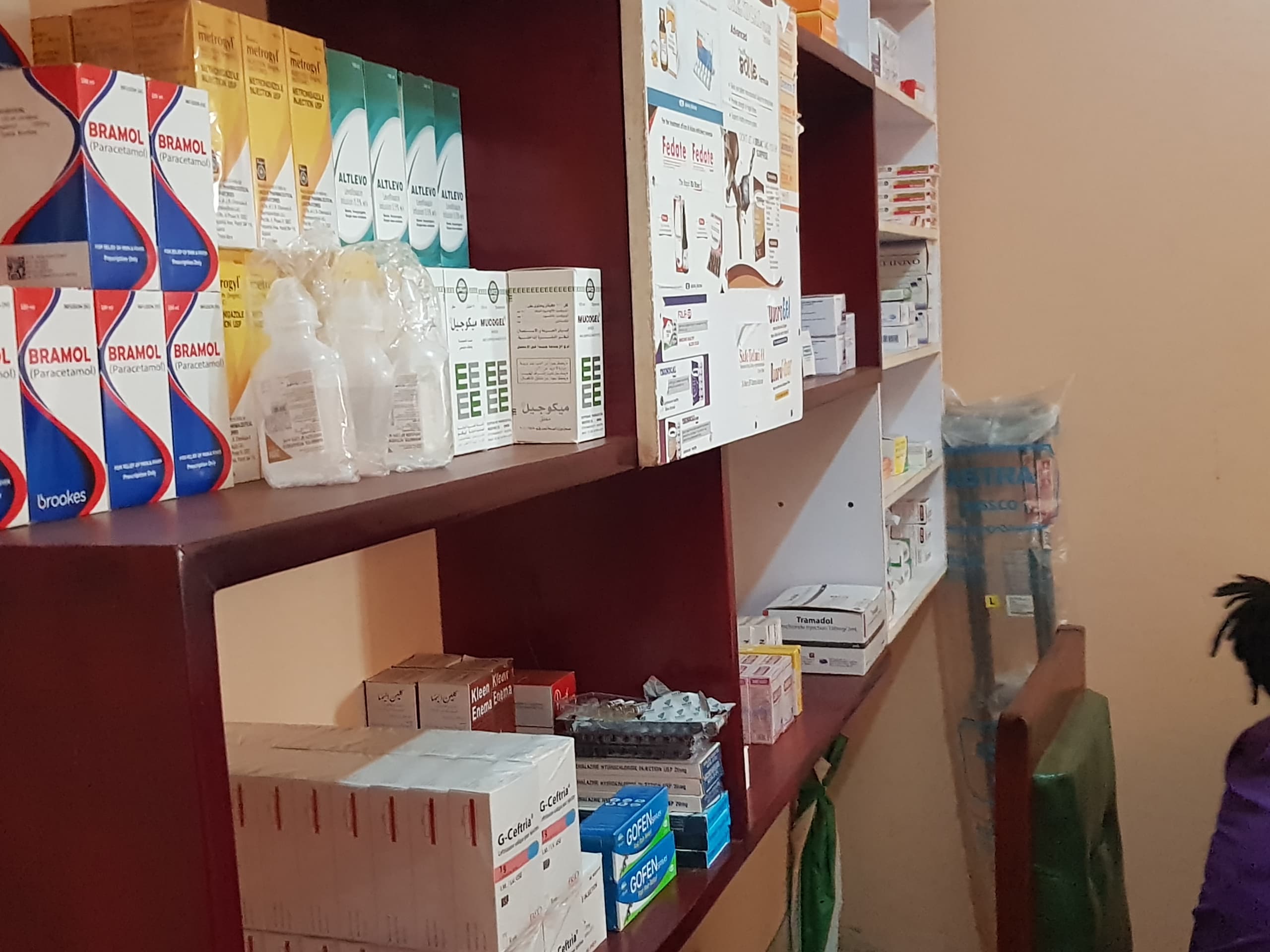
Visit Michoes Today

  • Get immediate help and diagnosis
  • Timely Prescriptions
  • Expert surgical and orthopedic care

Comments

Leave a Reply

Your email address will not be published. Required fields are marked *

  • Atrial Fibrillation: Understanding the Condition and Managing Symptoms

    Atrial Fibrillation: Understanding the Condition and Managing Symptoms

    Atrial fibrillation (AFib) is a type of irregular heartbeat that can increase the risk of stroke, heart failure, and other complications. It occurs when the upper chambers of the heart beat rapidly and irregularly, rather than beating in a regular rhythm. AFib can be caused by a variety of factors, including age, family history, high…

  • Atrial Fibrillation: Causes, Symptoms, and Treatment Options

    Atrial Fibrillation: Causes, Symptoms, and Treatment Options

    Atrial fibrillation (AFib) is a type of irregular heartbeat that can be caused by various factors. It’s essential to understand the causes, symptoms, and treatment options for this condition to take control of your heart health. Causes of Atrial Fibrillation: Age: AFib risk increases with age, especially after 65 years old. Cardiovascular disease: Conditions like…

  • Atrial Fibrillation: Treatment and Management at Michoes Medical Centre

    Atrial Fibrillation: Treatment and Management at Michoes Medical Centre

    Welcome to Michoes Medical Centre, your trusted partner in managing atrial fibrillation. Our team of experienced cardiologists and orthopedic specialists is dedicated to providing you with the best possible care for this condition. Understanding Atrial Fibrillation Atrial fibrillation (AFib) is a type of irregular heartbeat, or arrhythmia, that affects millions of people worldwide. It occurs…

  • Gallstones: Symptoms, Diagnosis and Treatment

    Gallstones: Symptoms, Diagnosis and Treatment

    Gallstones are small, hard deposits that form in the gallbladder, a small organ located under the liver. They can cause symptoms such as abdominal pain, nausea, and vomiting. In most cases, gallstones do not cause any health problems and may pass on their own. However, in some cases, they can block the bile ducts and…

  • Michoes Medical Centre: Your Trusted Partner for Quality Healthcare in Kanyum, Kumi District, Eastern Uganda

    Michoes Medical Centre: Your Trusted Partner for Quality Healthcare in Kanyum, Kumi District, Eastern Uganda

    Welcome to Michoes Medical Centre, your premier healthcare provider in Kanyum, Kumi District, and beyond. Our state-of-the-art facility is equipped with the latest medical technology and staffed by highly skilled doctors and nurses who are dedicated to providing you with exceptional care. At Michoes Medical Centre, we understand the importance of timely and effective medical…

  • Michoes Medical Centre: Your Trusted Partner in Health and Wellness

    Michoes Medical Centre: Your Trusted Partner in Health and Wellness

    Kumi, Uganda – Michoes Medical Centre is a leading healthcare provider in Kumi District, offering a wide range of medical services to residents. Our state-of-the-art facility is equipped with modern technology and staffed by experienced doctors and nurses who are dedicated to delivering high-quality patient care. Our hospital offers various specialized departments, including orthopedics, general…

  • Managing Immune Thrombocytopenia (ITP) in Uganda

    Managing Immune Thrombocytopenia (ITP) in Uganda

    Immune thrombocytopenia (ITP) is a rare blood disorder where the immune system mistakenly attacks and destroys platelets, leading to low levels of platelets in the blood. In Uganda, ITP can cause bruising, bleeding, and fatigue. According to Dr. [Name], a hematologist at [Hospital Name] in Kampala, Uganda, “ITP is often misdiagnosed or underdiagnosed in Uganda…

  • # Morning After Pill: What You Need to Know

    # Morning After Pill: What You Need to Know

    The morning after pill, also known as emergency contraception, is a type of birth control used to prevent pregnancy after unprotected sex. It’s essential to understand the different types, how they work, and when to take them. What are Emergency Contraception Pills? Emergency contraception pills are designed to be taken after unprotected sex to prevent…

  • Michoes Medical Centre: Your 24/7 Healthcare Partner in Eastern Uganda

    Michoes Medical Centre: Your 24/7 Healthcare Partner in Eastern Uganda

    In the heart of Eastern Uganda, Michoes Medical Centre is dedicated to providing high-quality, compassionate care to patients across Kanyum, Kumi, Soroti, and beyond. As a 24/7 private medical centre, we are committed to delivering exceptional healthcare services that cater to your unique needs. Blood Cancer Diagnosis and Treatment Michoes Medical Centre is equipped with…

  • B-cell Acute Lymphoblastic Leukemia (ALL): Understanding the Treatment Options

    B-cell Acute Lymphoblastic Leukemia (ALL): Understanding the Treatment Options

    B-cell acute lymphoblastic leukemia (ALL) is a type of blood cancer that affects the bone marrow, which makes blood. It’s characterized by an overproduction of immature white blood cells called lymphoblasts. The symptoms can vary depending on the stage and severity of the disease. Symptoms: The symptoms of B-cell ALL may include: fatigue, weakness, pale…