

Living with Tardive Dyskinesia: My Experience and Hope for Management

Margaret Berry, a 69-year-old sign language interpreter from Harker Heights, Texas, was diagnosed with tardive dyskinesia (TD) in late 2024. In this article, she shares her experience of getting a diagnosis, the challenges she faced, and how medication has helped manage her symptoms.

The first early symptoms of my TD were very subtle. Initially, I noticed that my feet would just go, go, go when I sat in my living room recliner or lie in bed at night.

After about a 30-minute casual conversation with my neurologist, he told me that he thought I had TD. He explained to me what the condition was and how it was most likely caused by the mental health medications I’d been taking since my 50s to treat bipolar disorder.

I’m currently on a type of drug called a VMAT2 inhibitor. It blocks a substance called the VMAT2 protein, which helps lower the amount of dopamine in your brain and decreases involuntary movements.

After about three months, I saw a big improvement in my symptoms. While my feet still move around when I sit or lie down, my hands have stopped. To be honest, it’s helped me manage my TD much more than I expected.

Diagnosis is a key part of the puzzle, but so is treatment. Both will make a real difference in your life.

If you’re on medication that raises your risk of developing TD, like some mental health medications, make sure you, your primary care provider, and your psychiatrist are all monitoring you for symptoms.

Contact Michoes Medical Centre at 555-1234 or visit our website for more information on managing tardive dyskinesia.
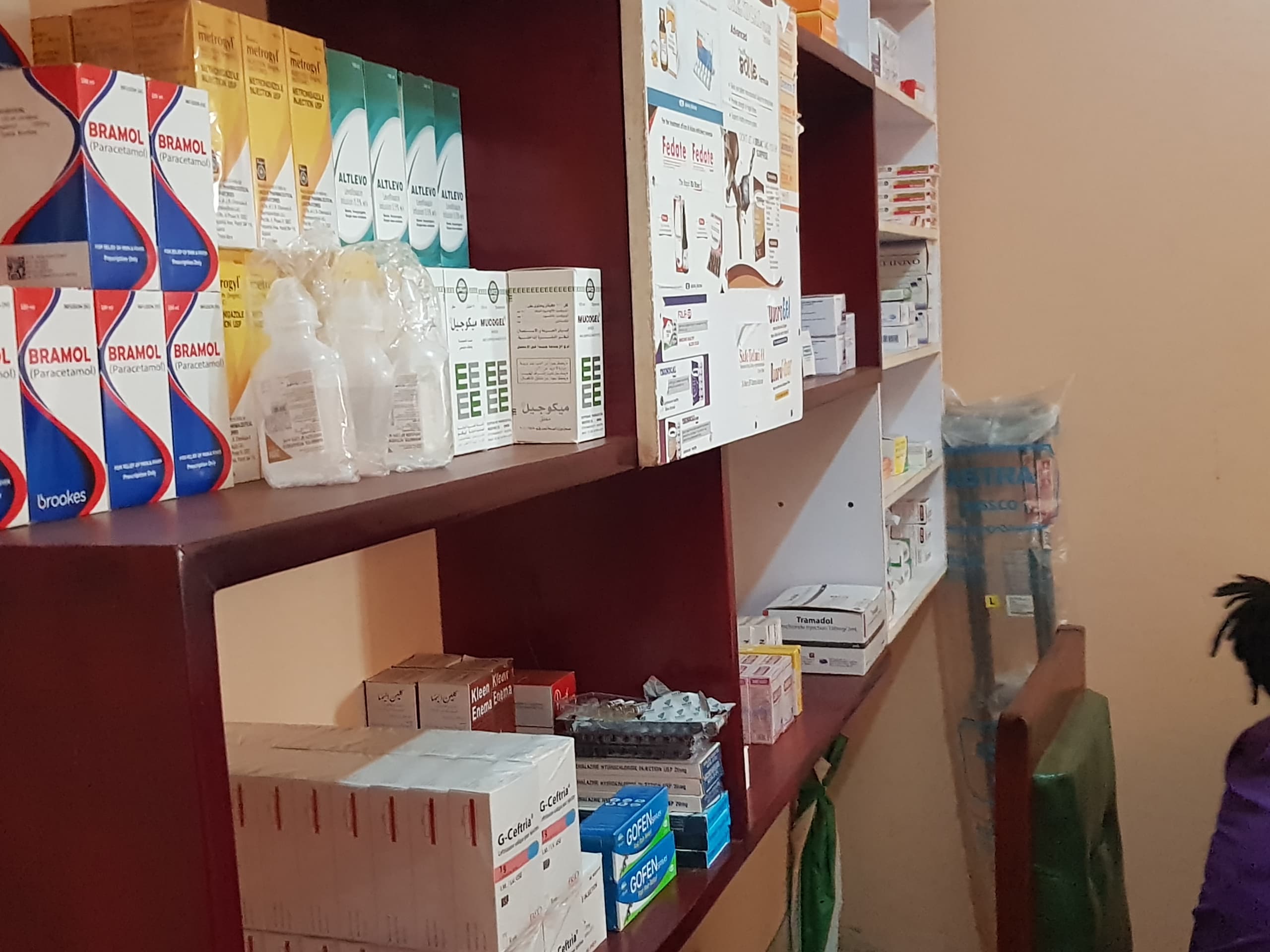
Visit Michoes Today

  • Get immediate help and diagnosis
  • Timely Prescriptions
  • Expert surgical and orthopedic care

Comments

Leave a Reply

Your email address will not be published. Required fields are marked *

  • Sickle Cell Disease: Causes, Symptoms, Treatment, and Prevention

    Sickle Cell Disease: Causes, Symptoms, Treatment, and Prevention

    Sickle cell disease is a genetic disorder that affects the shape of hemoglobin in red blood cells, leading to a range of complications. It’s caused by a mutation in the HBB gene, which codes for the beta-globin subunit of hemoglobin. This mutation causes the production of abnormal hemoglobin, resulting in misshapen red blood cells that…

  • Lower Leg Pain: Causes, Symptoms, and Treatment Options at Michoes Medical Centre

    Lower Leg Pain: Causes, Symptoms, and Treatment Options at Michoes Medical Centre

    Discover the causes of lower leg pain, including conditions ranging from torn tendons to diabetic neuropathy. At Michoes Medical Centre, our team of experts is here to help you understand your symptoms and provide effective treatment options. Lower leg pain can be caused by a variety of factors, including: Deep Vein Thrombosis (DVT): A blood…

  • Relief for Lower Leg Pain: Treatment and Prevention at Michoes Medical Centre

    Relief for Lower Leg Pain: Treatment and Prevention at Michoes Medical Centre

    Muscle cramp. It can strike in your sleep or in the middle of the day. This sudden, tight, intense lower leg pain is sometimes called a “charley horse.” When it takes a grip, it can get worse quickly. It happens when your muscles are tired or dehydrated. Drink more water or fluids with electrolytes if…

  • Understanding and Managing Deep Vein Thrombosis (DVT)

    Understanding and Managing Deep Vein Thrombosis (DVT)

    Deep Vein Thrombosis (DVT) is a serious medical condition that occurs when a blood clot forms in a deep vein, typically in the legs. It can be life-threatening if left untreated or if the clot breaks loose and travels to the lungs, causing a pulmonary embolism. Causes and Risk Factors DVT can be caused by…

  • # Blood Clots: Warning Signs, Risks, and Prevention

    # Blood Clots: Warning Signs, Risks, and Prevention

    Blood clots are a collection of blood cells and other material that forms to stop bleeding if you have a cut or are injured. Sometimes, blood clots don’t break apart after they’ve done their job. This can cause lots of problems in different parts of your body. People who recently had surgery, are not physically…

  • # Understanding Paroxysmal Atrial Fibrillation

    # Understanding Paroxysmal Atrial Fibrillation

    Paroxysmal atrial fibrillation (AFib) is a type of irregular heartbeat that can cause symptoms such as palpitations, dizziness, and shortness of breath. It’s essential to seek medical attention if you experience any of these symptoms. AFib episodes are often triggered by stress, anxiety, or certain medications. Some people may also have underlying health conditions that…

  • Knee Pain: Causes, Symptoms, and Treatment Options

    Knee Pain: Causes, Symptoms, and Treatment Options

    Knee pain is a common condition that can affect anyone, regardless of age or activity level. It can be caused by a variety of factors, including injuries, overuse, or underlying medical conditions. There are several types of knee pain, including osteoarthritis, patellofemoral pain syndrome, and meniscus tears. Osteoarthritis is the most common type of knee…

  • Michoes Medical Centre: Your 24/7 Partner in Healthcare for Kanyamulijjili, Uganda

    Michoes Medical Centre: Your 24/7 Partner in Healthcare for Kanyamulijjili, Uganda

    Michoes Medical Centre is your trusted healthcare partner for all medical needs in Kanyamulijjili and surrounding areas. Our state-of-the-art facility is equipped with the latest technology to provide you with quality medical care, 24 hours a day, 7 days a week. Services We Offer We offer a wide range of services, including: Orthopedic Services General…

  • Michoes Medical Centre: Your 24/7 Healthcare Partner in Eastern Uganda

    Michoes Medical Centre: Your 24/7 Healthcare Partner in Eastern Uganda

    Hello, we’re Michoes Medical Centre. Located in Kanyum, Kumi District, we provide comprehensive healthcare services that are close, kind, and competent. Our doors are always open, ready to welcome you for 24/7 medical care. We understand the unique health challenges faced by communities in Eastern Uganda, particularly in Kumi, Soroti, Bukedea, Ngora, and Katakwi districts.…

  • Michoes Medical Centre: Expert Care for Acid Reflux and GERD

    Michoes Medical Centre: Expert Care for Acid Reflux and GERD

    When stomach acid flows the wrong way — back into the tube that connects your throat to your stomach (your esophagus) — that’s called acid reflux. If it happens often and doesn’t get better, it’s called gastroesophageal reflux disease (GERD). Symptoms include chest pain, a cough, and trouble swallowing, especially when you lie down. Sometimes…