Leg Pain and Lower Extremity Problems: Causes, Symptoms, and Treatment Options

Lower-extremity leg pain can be a debilitating condition that affects your quality of life. There are many possible causes, from muscle cramps to broken bones or peripheral arterial disease. In this article, we’ll explore the common causes, symptoms, and treatment options for lower-leg problems.

Muscle Cramp

Leg cramps can occur in both men and women, but are more common in athletes who participate in sports that involve running or cycling. The pain is usually felt in the calf muscles and can be intense. To alleviate muscle cramps, try stretching your legs properly before exercise, drinking plenty of water, and taking anti-inflammatory medications as directed by a doctor.

Shin Splints

Shin splints are a common overuse injury that affects the lower leg and shin bone. They can be caused by repetitive stress on the muscles and bones in the lower leg, often due to running or jumping on hard surfaces. Treatment typically involves rest, ice, compression, and elevation (RICE) as well as supportive shoes and orthotics.

Tendinitis

Tendinitis is an inflammation of the tendons that connect muscles to bones. It can cause pain in the lower leg, near the back of the heel, and may be caused by overuse or repetitive stress. Treatment typically involves rest, ice, compression, and elevation (RICE) as well as anti-inflammatory medications and physical therapy.

Broken Bones or Sprains

Broken bones or sprains can occur when you twist your ankle or experience a sudden impact to the lower leg. Treatment typically involves RICE (rest, ice, compression, and elevation), followed by immobilization in a cast or brace, physical therapy, and gradually increasing movement over time.

Deep Vein Thrombosis (DVT)

DVT is a blood clot that forms in the deep veins of the lower leg. It can be caused by sitting for long periods, being overweight, smoking, or taking certain medications. Treatment typically involves blood thinners, anticoagulants, and compression stockings to prevent further clotting.

Varicose Veins

Varicose veins are twisted, dark blue or purple veins that can appear on the surface of the skin. They can be caused by weak valves and vein walls, often due to age or genetics. Treatment typically involves supportive stockings, elevation, and compression to alleviate symptoms.

Lower-Extremity Peripheral Arterial Disease (PAD)

PAD is a condition that occurs when the arteries in the legs become damaged and hardened. It can cause pain in the lower leg, cramping, and fatigue when walking or climbing stairs. Treatment typically involves lifestyle changes, medications to control cholesterol, diabetes, or high blood pressure, and surgery to improve blood flow.

Narrowed Spinal Canal (Stenosis) and Sciatica

Narrowed spinal canal can be caused by arthritis of the spine or a herniated disc. It can cause pain in the lower back and legs, often radiating down into the leg. Treatment typically involves rest, anti-inflammatory medications, physical therapy, and stretching exercises.

Diabetic Neuropathy

Diabetic neuropathy is a common complication of diabetes that causes nerve damage. It can cause pain, numbness, and less sensation in the lower legs. Treatment typically involves medications to control blood sugar levels, as well as physical therapy and exercise to manage symptoms.

Swelling in the Legs

Swelling in the legs can be caused by a buildup of fluid or inflammation of soft tissue. It can also result from an injury or clot that needs to be cleared out. Treatment typically involves elevation, compression stockings, and supportive shoes to alleviate symptoms.

Phlebitis (Fle-BYE-tis)

Phlebitis is an inflammation of a vein that can cause pain, swelling, and redness in the affected area. It can be caused by sitting for long periods or using certain medications. Treatment typically involves compression stockings, elevation, and anti-inflammatory medications to alleviate symptoms.

The Role of Blood Type in Disease Risk

Some research suggests that your blood type may play a role in your risk for certain diseases, such as heart disease and diabetes. However, more research is needed to fully understand this relationship.

Home Care Tips to Prevent Clots

Home care tips can help prevent clots from forming in the first place. These include staying hydrated, taking regular breaks when sitting for long periods, avoiding smoking, and maintaining a healthy weight.
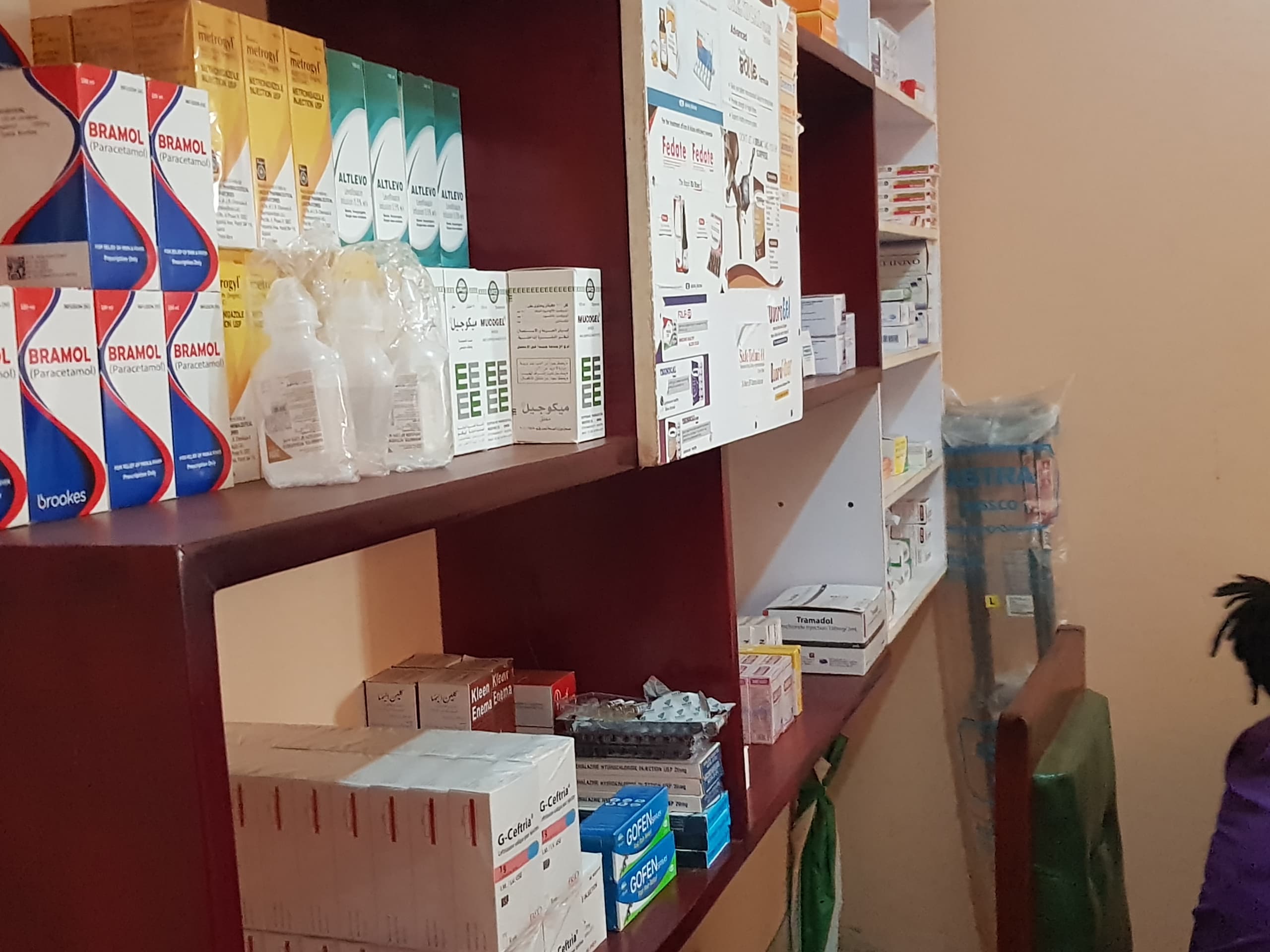
Visit Michoes Today

  • Get immediate help and diagnosis
  • Timely Prescriptions
  • Expert surgical and orthopedic care

Comments

Leave a Reply

Your email address will not be published. Required fields are marked *

  • DVT: Causes, Symptoms, and Prevention

    DVT: Causes, Symptoms, and Prevention

    Deep Vein Thrombosis (DVT) is a blood clot that forms in the deep veins of the body, most commonly in the legs. It can be life-threatening if it breaks loose and travels to the lungs, causing a pulmonary embolism. In this article, we will discuss the causes, symptoms, and prevention strategies for DVT. DVT is…

  • Deep Vein Thrombosis (DVT) Risk Higher for Black People: Know Your Symptoms and Prevention Tips

    Deep Vein Thrombosis (DVT) Risk Higher for Black People: Know Your Symptoms and Prevention Tips

    Black people are at a higher risk of developing deep vein thrombosis (DVT), also known as blood clots, compared to people of other races. According to studies, Black Americans have 30% to 60% higher rates of DVT than white people. A DVT can be life-threatening if it breaks loose and travels to the lungs, causing…

  • Leg Swelling: Causes, Symptoms, and Treatment Options

    Leg Swelling: Causes, Symptoms, and Treatment Options

    Leg swelling can be a common and frustrating condition that affects millions of people worldwide. It is characterized by the accumulation of fluid in the legs, which can lead to discomfort, pain, and even serious health complications if left untreated. In this article, we will explore the causes of leg swelling, its symptoms, treatment options,…

  • DVT Treatment and Prevention at Michoes Medical Centre

    DVT Treatment and Prevention at Michoes Medical Centre

    At Michoes Medical Centre, we understand the importance of prompt treatment for Deep Vein Thrombosis (DVT) to prevent complications. Our team of experienced doctors and medical professionals are committed to providing safe and effective treatment options. Deep Vein Thrombosis is a serious condition that occurs when a blood clot forms in a deep vein, usually…

  • Deep Vein Thrombosis (DVT) Risk Factors and Prevention: Know Your Symptoms

    Deep Vein Thrombosis (DVT) Risk Factors and Prevention: Know Your Symptoms

    As a woman living in Kanyum, Kumi, Soroti, or surrounding areas of Eastern Uganda, it’s essential to understand the risks of Deep Vein Thrombosis (DVT), a condition that can be life-threatening if left untreated. At Michoes Medical Centre, our dedicated team is committed to providing you with accurate information and expert care to prevent DVT…

  • # Deep Vein Thrombosis (DVT)

    # Deep Vein Thrombosis (DVT)

    Deep vein thrombosis, also known as DVT, is a condition where a blood clot forms in the deep veins of the body. This can be life-threatening if it breaks off and travels to the lungs, causing a pulmonary embolism. ## Symptoms Symptoms of DVT may include: * Swelling in one leg * Pain or tenderness…

  • Faster Heartbeat: What Causes It and What to Do?

    Faster Heartbeat: What Causes It and What to Do?

    A faster heartbeat, also known as tachycardia, can be caused by various factors. Understanding the causes of this condition is essential to prevent a medical emergency. Tachycardia can be caused by many medications, including antibiotics, antidepressants, and even certain supplements. Types of Tachycardia Postural Orthostatic Tachycardia Syndrome (POTS) is a circulatory disorder that can make…

  • Michoes Medical Centre – Your Partner in Healthcare for Kanyum, Kumi District, Eastern Uganda

    Michoes Medical Centre – Your Partner in Healthcare for Kanyum, Kumi District, Eastern Uganda

    Welcome to Michoes Medical Centre, your trusted healthcare partner in Kanyum, Kumi District, and surrounding areas of Eastern Uganda. We are dedicated to providing quality medical care with a focus on patient-centered services. Our experienced team of doctors and medical professionals is committed to delivering exceptional care that meets the unique needs of our patients.…

  • Michoes Medical Centre: Your 24/7 Health Partner in Kanyum, Kumi District

    Michoes Medical Centre: Your 24/7 Health Partner in Kanyum, Kumi District

    Welcome to Michoes Medical Centre, your trusted healthcare partner in Kanyum, Kumi District. We are a state-of-the-art, 24/7 medical centre dedicated to providing compassionate and patient-first care to our community. Located in the heart of Kanyum, we offer a wide range of services tailored to meet the unique needs of our patients. From primary care…

  • Endoscopy: Understanding the Procedure and Risks

    Endoscopy: Understanding the Procedure and Risks

    Endoscopy is a medical procedure that uses a long, thin tube with a light and camera attached to diagnose and treat conditions in the digestive tract. The procedure can be performed in various parts of the digestive system, including the esophagus, stomach, small intestine, and colon. During an endoscopy, the doctor will insert the scope…