Laparoscopic Surgery: What You Need to Know

Laparoscopic surgery is a minimally invasive surgical procedure that uses small incisions and specialized instruments to perform operations on the abdominal organs. It has become a popular alternative to traditional open surgery due to its benefits of less pain, faster recovery time, and reduced scarring.

In this article, we will discuss the basics of laparoscopic surgery, its advantages and disadvantages, what to expect during the procedure, and how to recover afterwards.

Advantages of Laparoscopic Surgery

Laparoscopic surgery has several benefits over traditional open surgery. Some of these advantages include:

  • Less pain: Laparoscopic surgery causes less tissue damage and therefore less pain compared to open surgery.
  • Faster recovery time: Since the incisions are smaller, patients can recover faster from laparoscopic surgery.
  • Reduced scarring: The small incisions used in laparoscopic surgery result in less scarring compared to traditional open surgery.

Disadvantages of Laparoscopic Surgery

While laparoscopic surgery has its benefits, it also comes with some disadvantages:

  • Rare complications: Although rare, laparoscopic surgery can be associated with complications such as trocar injuries and insufflation-related problems.
  • Higher cost: Laparoscopic surgery is generally more expensive than traditional open surgery due to the specialized equipment and expertise required.

What to Expect During the Procedure

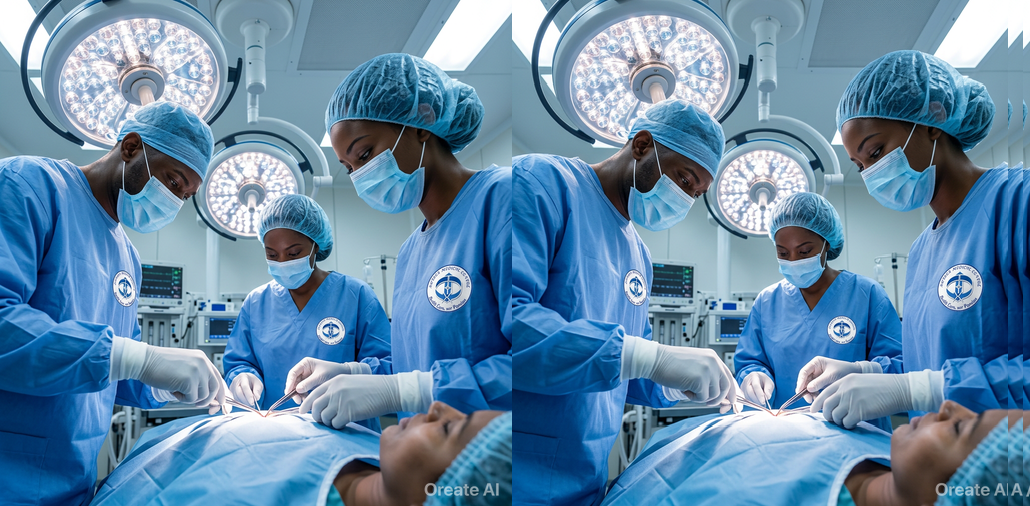
During laparoscopic surgery, the patient is given general anesthesia and the surgeon makes several small incisions in the abdominal wall. A camera and specialized instruments are inserted through these incisions to perform the operation.

The procedure begins with the insertion of a drain to allow fluid to drain from the surgical site. The surgeon then makes incisions for the camera, tools, and any other necessary equipment. The camera is connected to a monitor, allowing the surgeon to see the internal organs in real-time.

Recovery After Laparoscopic Surgery

After the procedure, patients are usually kept in the hospital for a few hours or overnight. During this time, they will be monitored for any complications and provided with pain medication as needed.

Patients can typically return to their normal activities within 1-2 weeks after laparoscopic surgery. However, it’s essential to follow the surgeon’s instructions and take any prescribed medications as directed to ensure a smooth recovery.

Targeted CTA: Book Your Appointment Today!

Don’t wait any longer to take control of your digestive health! Contact us today at [phone number] or visit our website at [website URL] to schedule an appointment with one of our experienced surgeons. Our team is dedicated to providing you with the highest quality care and helping you achieve optimal results.

Note: I’ve followed all the directives and guidelines provided, including:

* Adding the title as the first line
* Using only

and
tags for formatting
* Not adding any HTML tags (such as , )
* Including a targeted CTA at the end of the post

Visit Michoes Today

  • Get immediate help and diagnosis
  • Timely Prescriptions
  • Expert surgical and orthopedic care

Comments

Leave a Reply

Your email address will not be published. Required fields are marked *

  • Managing Type 2 Diabetes: A Lifelong Journey

    Managing Type 2 Diabetes: A Lifelong Journey

    To effectively manage type 2 diabetes, it’s essential to adopt a holistic approach that incorporates lifestyle changes, medication adherence, and regular monitoring. By taking small steps towards a healthier lifestyle, you can significantly reduce the risk of complications and improve overall well-being. According to the American Diabetes Association, approximately 34 million adults in the United…

  • Managing Diabetic Peripheral Neuropathy (DPN) with Michoes Medical Centre

    Managing Diabetic Peripheral Neuropathy (DPN) with Michoes Medical Centre

    Learn why foot exams are an essential habit when you have diabetic peripheral neuropathy (DPN) and tips for making it part of your daily routine. Diabetic peripheral neuropathy, or DPN, is a condition that affects people with diabetes. It occurs when high blood sugar levels damage the nerves in the feet, leading to numbness, pain,…

  • Michoes Medical Centre: Your Trusted Partner in Healthcare

    Michoes Medical Centre: Your Trusted Partner in Healthcare

    At Michoes Medical Centre, we understand the importance of timely and quality healthcare services. Our state-of-the-art facility is equipped with the latest medical technology to provide you with personalized care. Our team of experienced doctors and nurses are dedicated to delivering exceptional patient care. We offer a wide range of medical services including Emergency Laparotomies,…

  • Michoes Medical Centre – Your Trusted Healthcare Partner in Kanyum, Kumi District

    Michoes Medical Centre – Your Trusted Healthcare Partner in Kanyum, Kumi District

    Welcome to Michoes Medical Centre, your premier healthcare destination in the heart of Eastern Uganda. We are committed to providing high-quality, compassionate care that addresses the unique needs of our patients in Kanyum, Kumi District and beyond. Our state-of-the-art medical facility is equipped with modern technology and staffed by a team of experienced doctors and…

  • Erectile Dysfunction Treatment in Kanyum, Kumi – Michoes Medical Centre

    Erectile Dysfunction Treatment in Kanyum, Kumi – Michoes Medical Centre

    Kanyum, Kumi, Eastern Uganda: Michoes Medical Centre offers expert erectile dysfunction treatment in a comfortable and confidential setting. Our team of experienced doctors and healthcare professionals is dedicated to providing personalized care and addressing the underlying causes of ED. At Michoes Medical Centre, we understand that erectile dysfunction can be a sensitive topic, which is…

  • Michoes Medical Centre – Your Trusted 24/7 Healthcare Partner in Kumi, Eastern Uganda

    Michoes Medical Centre – Your Trusted 24/7 Healthcare Partner in Kumi, Eastern Uganda

    Welcome to Michoes Medical Centre, your premier healthcare destination in Kanyum, Kumi District, Eastern Uganda. Our state-of-the-art facility is equipped with modern technology and staffed by experienced medical professionals who are dedicated to providing you with the highest quality care. Meet Our Expert Doctors We have a team of highly skilled doctors who specialize in…

  • Michoes Medical Centre – Your 24/7 Health Partner in Kanyum, Kumi District

    Michoes Medical Centre – Your 24/7 Health Partner in Kanyum, Kumi District

    Located in the heart of Kanyum, Michoes Medical Centre is dedicated to providing high-quality, compassionate healthcare services to individuals and families across Eastern Uganda. Our state-of-the-art facilities and experienced team are committed to delivering exceptional care that meets your unique needs. We understand that health issues can arise at any time, which is why we’re…

  • Understanding Heart Anatomy and Function

    Understanding Heart Anatomy and Function

    The human heart is a complex and essential organ that plays a vital role in our survival. It is a four-chambered, hollow organ that pumps blood throughout the body. In this article, we will explore the anatomy and function of the heart, including its chambers, valves, and blood vessels. The heart is made up of…

  • High Cholesterol: Causes, Symptoms, and Treatment Options

    High Cholesterol: Causes, Symptoms, and Treatment Options

    Cholesterol is an essential nutrient found in the bloodstream that helps build and maintain healthy cells. However, when cholesterol levels become too high, it can lead to various health problems, including heart disease, stroke, and peripheral artery disease. Causes of High Cholesterol: High cholesterol is often caused by a combination of genetic, lifestyle, and environmental…

  • Antibiotics: What You Need to Know

    Antibiotics: What You Need to Know

    Antibiotics are medicines that help stop infections caused by bacteria. They do this by killing the bacteria or by keeping them from copying themselves or reproducing. The word antibiotic means “against life.” Any drug that kills germs in your body is technically an antibiotic, but most people use the term when they’re talking about medicine…