
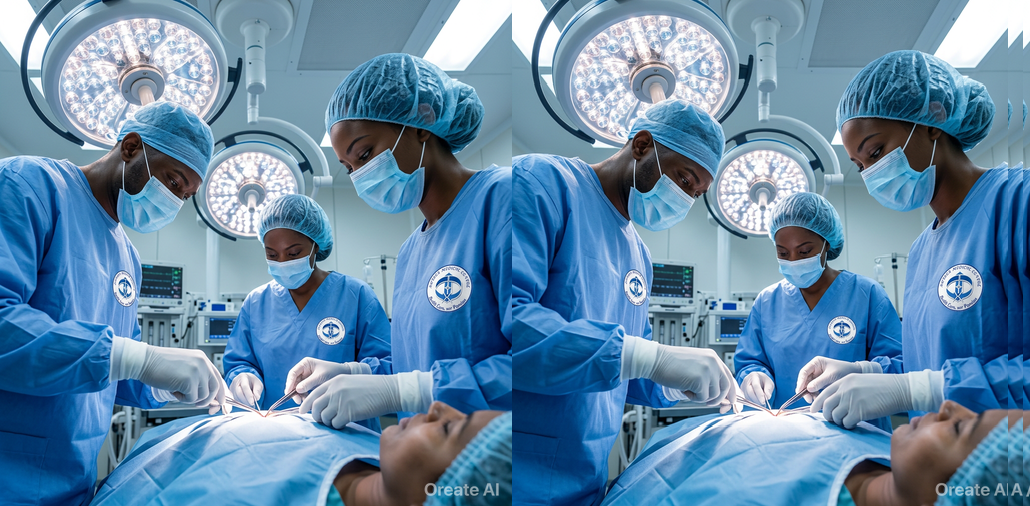
Intubation: What to Expect

Intubation is a medical procedure that’s used when you can’t breathe on your own. Your doctor puts a tube down your throat and into your windpipe to make it easier to get air into and out of your lungs.

A machine called a ventilator pumps in air with extra oxygen. Then it helps you breathe out air that’s full of carbon dioxide (CO2). This is called mechanical ventilation. It helps keep your oxygen and CO2 at healthy levels.

The drugs that put you to ‘sleep’ during surgery (general anesthesia) may also hold down your breathing. Intubation lets a machine breathe for you. That’s why your anesthesiologist (the doctor who puts you to sleep for surgery) might intubate you.

Intubation is usually done in emergency situations, such as when you’re unconscious or have an injury that’s quickly getting worse. It may also be necessary if you need emergency surgery that calls for general anesthesia.

The tube has an air bladder that balloons up to seal off your airway from your stomach. Except in rare cases, your doctor will give you drugs to partly or completely knock you out before they put the tube in.

You might get plain oxygen from a mask for 2 or 3 minutes before the procedure starts to raise the level in your blood. You’ll lie faceup, and your doctor will tilt your head slightly back.

Benefits of Intubation

Intubation can help keep your airway open and prevent aspiration (when something enters your airway or lungs). It can also help control carbon dioxide levels in the blood.

Risks of Intubation

The risks of intubation include damage to the teeth, throat, or vocal cords. The tube may hurt your throat and voice box, so you could have a sore throat or find it hard to talk and breathe for a time.

The procedure may also cause an infection or pneumonia. Certain things can make these problems more likely, such as eating before the procedure or smoking.

What to Expect After Intubation

You’ll be taken to the intensive care unit (ICU) after intubation. The tube will be removed when your doctor determines it’s safe to do so.

You may experience some discomfort, soreness, or swelling in the throat and voice box after the procedure. Follow your doctor’s instructions for managing these symptoms.

Book an appointment with our expert anesthesiologists today by calling +256701364362 or WhatsApping +256779784473 at Michoes Medical Centre, located in Kumi district, Uganda.
Visit Michoes Today

  • Get immediate help and diagnosis
  • Timely Prescriptions
  • Expert surgical and orthopedic care

Comments

Leave a Reply

Your email address will not be published. Required fields are marked *

  • Atrial Fibrillation: Understanding the Condition and Managing Symptoms

    Atrial Fibrillation: Understanding the Condition and Managing Symptoms

    Atrial fibrillation (AFib) is a type of irregular heartbeat that can increase the risk of stroke, heart failure, and other complications. It occurs when the upper chambers of the heart beat rapidly and irregularly, rather than beating in a regular rhythm. AFib can be caused by a variety of factors, including age, family history, high…

  • Atrial Fibrillation: Causes, Symptoms, and Treatment Options

    Atrial Fibrillation: Causes, Symptoms, and Treatment Options

    Atrial fibrillation (AFib) is a type of irregular heartbeat that can be caused by various factors. It’s essential to understand the causes, symptoms, and treatment options for this condition to take control of your heart health. Causes of Atrial Fibrillation: Age: AFib risk increases with age, especially after 65 years old. Cardiovascular disease: Conditions like…

  • Atrial Fibrillation: Treatment and Management at Michoes Medical Centre

    Atrial Fibrillation: Treatment and Management at Michoes Medical Centre

    Welcome to Michoes Medical Centre, your trusted partner in managing atrial fibrillation. Our team of experienced cardiologists and orthopedic specialists is dedicated to providing you with the best possible care for this condition. Understanding Atrial Fibrillation Atrial fibrillation (AFib) is a type of irregular heartbeat, or arrhythmia, that affects millions of people worldwide. It occurs…

  • Gallstones: Symptoms, Diagnosis and Treatment

    Gallstones: Symptoms, Diagnosis and Treatment

    Gallstones are small, hard deposits that form in the gallbladder, a small organ located under the liver. They can cause symptoms such as abdominal pain, nausea, and vomiting. In most cases, gallstones do not cause any health problems and may pass on their own. However, in some cases, they can block the bile ducts and…

  • Michoes Medical Centre: Your Trusted Partner for Quality Healthcare in Kanyum, Kumi District, Eastern Uganda

    Michoes Medical Centre: Your Trusted Partner for Quality Healthcare in Kanyum, Kumi District, Eastern Uganda

    Welcome to Michoes Medical Centre, your premier healthcare provider in Kanyum, Kumi District, and beyond. Our state-of-the-art facility is equipped with the latest medical technology and staffed by highly skilled doctors and nurses who are dedicated to providing you with exceptional care. At Michoes Medical Centre, we understand the importance of timely and effective medical…

  • Michoes Medical Centre: Your Trusted Partner in Health and Wellness

    Michoes Medical Centre: Your Trusted Partner in Health and Wellness

    Kumi, Uganda – Michoes Medical Centre is a leading healthcare provider in Kumi District, offering a wide range of medical services to residents. Our state-of-the-art facility is equipped with modern technology and staffed by experienced doctors and nurses who are dedicated to delivering high-quality patient care. Our hospital offers various specialized departments, including orthopedics, general…

  • Managing Immune Thrombocytopenia (ITP) in Uganda

    Managing Immune Thrombocytopenia (ITP) in Uganda

    Immune thrombocytopenia (ITP) is a rare blood disorder where the immune system mistakenly attacks and destroys platelets, leading to low levels of platelets in the blood. In Uganda, ITP can cause bruising, bleeding, and fatigue. According to Dr. [Name], a hematologist at [Hospital Name] in Kampala, Uganda, “ITP is often misdiagnosed or underdiagnosed in Uganda…

  • # Morning After Pill: What You Need to Know

    # Morning After Pill: What You Need to Know

    The morning after pill, also known as emergency contraception, is a type of birth control used to prevent pregnancy after unprotected sex. It’s essential to understand the different types, how they work, and when to take them. What are Emergency Contraception Pills? Emergency contraception pills are designed to be taken after unprotected sex to prevent…

  • Michoes Medical Centre: Your 24/7 Healthcare Partner in Eastern Uganda

    Michoes Medical Centre: Your 24/7 Healthcare Partner in Eastern Uganda

    In the heart of Eastern Uganda, Michoes Medical Centre is dedicated to providing high-quality, compassionate care to patients across Kanyum, Kumi, Soroti, and beyond. As a 24/7 private medical centre, we are committed to delivering exceptional healthcare services that cater to your unique needs. Blood Cancer Diagnosis and Treatment Michoes Medical Centre is equipped with…

  • B-cell Acute Lymphoblastic Leukemia (ALL): Understanding the Treatment Options

    B-cell Acute Lymphoblastic Leukemia (ALL): Understanding the Treatment Options

    B-cell acute lymphoblastic leukemia (ALL) is a type of blood cancer that affects the bone marrow, which makes blood. It’s characterized by an overproduction of immature white blood cells called lymphoblasts. The symptoms can vary depending on the stage and severity of the disease. Symptoms: The symptoms of B-cell ALL may include: fatigue, weakness, pale…