

Hypoglycemia: Understanding the Risks and Importance of Treatment

Hypoglycemia, also known as insulin shock, is a serious health condition that occurs when there is an imbalance between insulin levels in the body and the amount of food consumed. It can be caused by taking too much insulin or having difficulty regulating blood sugar levels.

Symptoms of hypoglycemia may seem mild at first but can progress to severe symptoms, including dizziness, confusion, seizures, and even loss of consciousness. If left untreated, hypoglycemia can lead to serious complications, including coma and death.

It is essential to recognize the signs of mild hypoglycemia, which may include shakiness, sweating, hunger, irritability, rapid heartbeat, and tremors. If symptoms persist or worsen, it’s crucial to seek medical attention immediately.

Causes and Risk Factors

Hypoglycemia can occur due to various factors, including:

  • Taking too much insulin or medication
  • Fasting or skipping meals without proper planning
  • Exercising intensely without consuming adequate food
  • Having a high-carbohydrate diet
  • Having certain medical conditions, such as kidney disease or liver disease

To manage hypoglycemia effectively, it’s essential to work closely with your healthcare provider to develop a personalized treatment plan. This may include adjusting insulin dosages, monitoring blood sugar levels regularly, and making lifestyle changes to maintain a balanced diet and regular physical activity.

What to Do in Case of Hypoglycemia

If you suspect you are experiencing hypoglycemia, follow these steps:

  • Consume 15-20 grams of glucose or other sugar immediately
  • Drink a half cup of fruit juice, such as orange or apple juice
  • Take three to four glucose tablets or one-third to one-half tube of glucose in gel form

After consuming the snack, wait 15 minutes and check your blood sugar level again. Repeat the process until your blood sugar level is within its normal target range.

Preventing Hypoglycemia

To prevent hypoglycemia, it’s essential to:

  • Maintain a balanced diet that includes plenty of vegetables, whole grains, and lean protein sources
  • Exercise regularly, but avoid intense exercise without adequate food
  • Monitor blood sugar levels regularly
  • Work closely with your healthcare provider to adjust insulin dosages as needed

By understanding the risks and importance of treatment, you can take proactive steps to manage hypoglycemia and maintain optimal blood sugar levels.
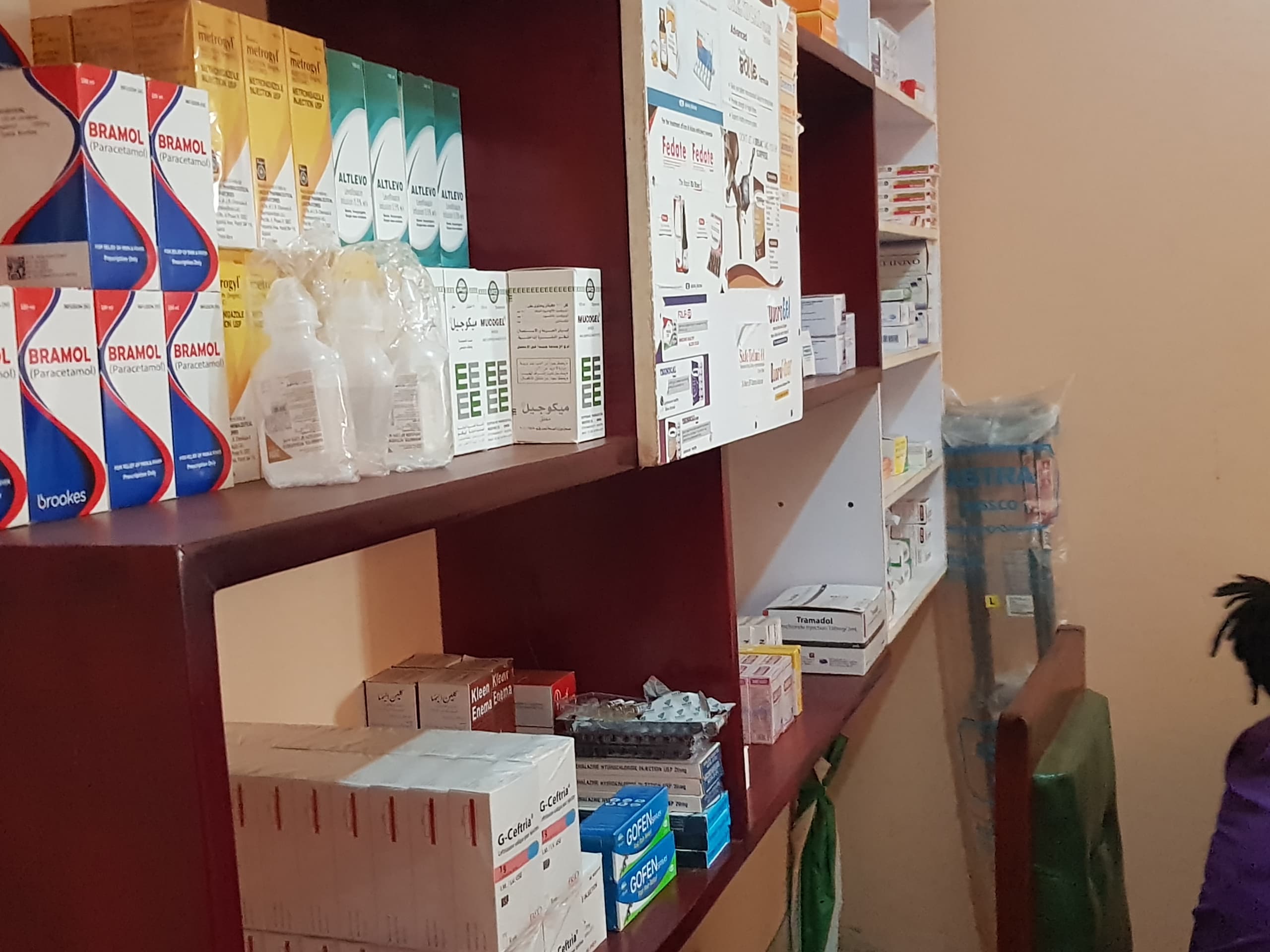
Schedule an appointment with our healthcare provider today to discuss your individual risk factors and develop a personalized treatment plan.

Visit Michoes Today

  • Get immediate help and diagnosis
  • Timely Prescriptions
  • Expert surgical and orthopedic care

Comments

Leave a Reply

Your email address will not be published. Required fields are marked *

  • Family Doctor in Kumi: Advanced Care with 24/7 Availability

    Family Doctor in Kumi: Advanced Care with 24/7 Availability

    At Michoes Medical Centre, we understand the importance of quality healthcare services for families living in and around Kumi District. Our state-of-the-art facilities and experienced doctors are committed to providing personalized care that meets your unique needs. Expertise in General Medicine We offer a wide range of medical services, including general medicine, pediatrics, obstetrics, gynecology,…

  • Dopamine: The Hormone That Regulates Pleasure, Motivation, and Movement

    Dopamine: The Hormone That Regulates Pleasure, Motivation, and Movement

    Dopamine is a complex brain chemical that plays a major role in regulating pleasure, motivation, and movement. It sends chemical messages in the brain to let you know that something feels good, which can lead to feelings of happiness and reward. However, an imbalance of dopamine levels can cause problems with impulsive behavior, sleep, and…

  • Michoes Medical Centre – Your Trusted Partner in Men’s Health

    Michoes Medical Centre – Your Trusted Partner in Men’s Health

    Welcome to Michoes Medical Centre, your premier destination for all men’s health concerns. Our team of expert doctors and medical professionals are dedicated to providing you with the best possible care, addressing a wide range of conditions affecting men’s reproductive health, hormonal balance, and overall well-being. At Michoes Medical Centre, we understand the importance of…

  • Understanding Apraxia of Speech and Speech Disorders

    Understanding Apraxia of Speech and Speech Disorders

    Apraxia of speech is a neurological disorder that affects an individual’s ability to form words and sentences correctly. It can be caused by brain damage, stroke, or other conditions such as childhood apraxia of speech (CAS), which may be caused by genetics or a brain injury from conditions like childhood stroke, epilepsy, or infection. Causes…

  • Michoes Medical Centre: Your Trusted Partner for Hyperosmia Treatment in Kumi, Uganda

    Michoes Medical Centre: Your Trusted Partner for Hyperosmia Treatment in Kumi, Uganda

    Hyperosmia is a rare condition where you have an overwhelming sensitivity to smells. At Michoes Medical Centre, we understand the impact this can have on your daily life and are committed to providing effective treatment options. Our team of experts, led by Senior Orthopedic Consultant Michael Emusugut, will work with you to determine the underlying…

  • Dysautonomia: Understanding the Autonomic Nervous System

    Dysautonomia: Understanding the Autonomic Nervous System

    Dysautonomia, also known as autonomic dysfunction, refers to a group of medical disorders caused by problems with the autonomic nervous system (ANS). Your ANS controls your body’s automatic functions, such as heart rate, digestion, blood pressure, kidney function, and more. Dysautonomia can show up in your body in many ways, affecting various parts of your…

  • Understanding Adult ADHD: Symptoms, Causes, and Treatment Options

    Understanding Adult ADHD: Symptoms, Causes, and Treatment Options

    Adult Attention Deficit Hyperactivity Disorder (ADHD) is a neurodevelopmental disorder that affects both children and adults. It is characterized by symptoms of inattention, hyperactivity, and impulsivity. In this article, we will discuss the causes, symptoms, and treatment options for adult ADHD. Causes of Adult ADHD The exact cause of adult ADHD is not known, but…

  • IVIg Therapy for Autoimmune Diseases

    IVIg Therapy for Autoimmune Diseases

    IVIg therapy is a treatment option for people with autoimmune diseases that affect the immune system. It involves administering intravenous immunoglobulin (IVIG) to replenish antibodies and help rebuild the immune system. People with autoimmune diseases, such as lupus or multiple sclerosis, may benefit from IVIg therapy. This treatment can help reduce the risk of infections,…

  • Michoes Medical Centre: Your Trusted Partner in Healthcare for Schilder’s Disease and Beyond

    Michoes Medical Centre: Your Trusted Partner in Healthcare for Schilder’s Disease and Beyond

    Schilder’s disease is a rare condition that usually starts in childhood. It’s most common in boys between 7 and 12 years old. It’s a problem with the body’s myelin, which acts as a protective layer around nerves. Myelin helps signals move faster around the body, similar to how electricity flows through electric wires. At Michoes…

  • Palliative Care: Relief for Serious Illnesses

    Palliative Care: Relief for Serious Illnesses

    Palliative care is a type of care that focuses on relieving the symptoms, pain, and stress of serious illnesses, as well as improving quality of life for patients and their families. It’s not just for people who are at the end of life; rather, it’s for anyone living with a serious or chronic medical condition.…