
Fasting for Blood Work: What You Need to Know

Fasting is not always necessary before blood work, but it’s often required for certain tests. Here’s what you need to know about fasting for blood work:

A fasting blood test, also known as a laboratory test or clinical chemistry test, measures various substances in the blood, such as glucose, cholesterol, and liver function.

When fasting is not necessary: Some blood tests do not require fasting. These include random blood glucose tests, oral glucose challenge tests, and A1C tests.

When fasting is necessary: Other blood tests do require fasting. Examples include lipid profiles, comprehensive metabolic panels, GGT tests, and iron tests.

Fasting for a blood test involves not eating or drinking anything except water for a certain period of time before the test. The length of the fast varies depending on the type of test being performed.

The American Academy for Clinical Chemistry recommends fasting for 8-12 hours before many laboratory tests, including lipid profiles and comprehensive metabolic panels.

However, some tests may not require fasting, such as oral glucose challenge tests or A1C tests. It’s essential to follow your doctor’s instructions regarding fasting before a blood test.

Frequently Asked Questions

Can I drink water when fasting for a blood test?

No, drinking water is not allowed during the fast. However, it’s okay to drink water after the test is complete.

I have diabetes; do I need to take my medication before a fasting blood test?

Ask your doctor if you should take your diabetes medication before a fasting blood test. Some tests may require medication to be taken at specific times.

Risks of Fasting

Fasting can sometimes cause side effects, such as low blood sugar (hypoglycemia) or dizziness.

If you have diabetes and are fasting for a blood test, it’s essential to bring juice, hard candy, or glucose tablets with you after the test to help manage your blood sugar levels.

Conclusion

Fasting is not always necessary before blood work, but it’s often required for certain tests. It’s essential to follow your doctor’s instructions regarding fasting before a blood test and stay hydrated during the test period.

Consult with your healthcare provider or registered dietitian to determine if you need to fast before a blood test and what specific instructions are required.

Targeted CTA

Book an appointment with your healthcare provider today to discuss any concerns about fasting for blood work and get personalized guidance on how to prepare for your test.

Contact [phone number] or email [email address] to schedule your appointment.
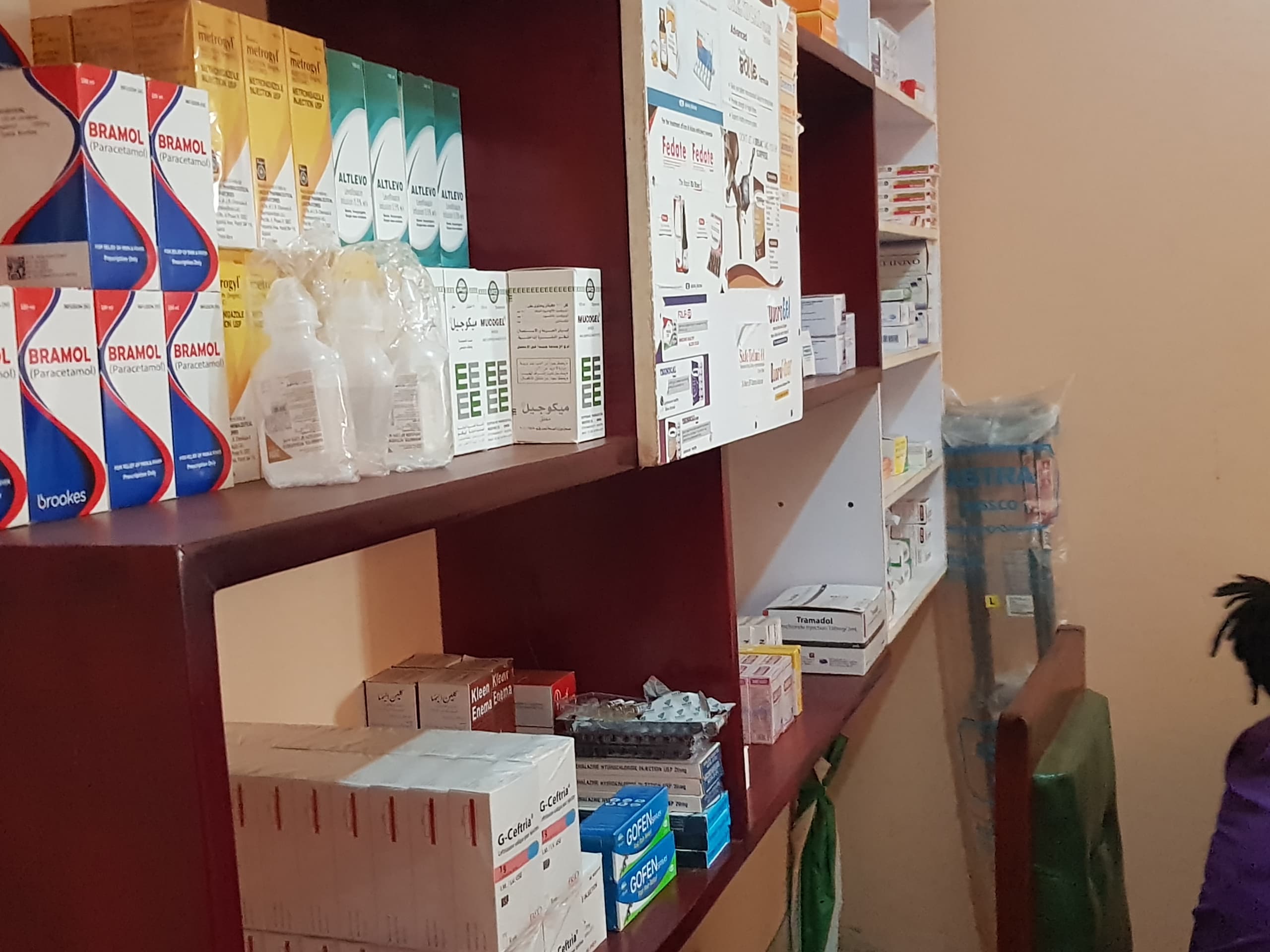
Visit Michoes Today

  • Get immediate help and diagnosis
  • Timely Prescriptions
  • Expert surgical and orthopedic care

Comments

Leave a Reply

Your email address will not be published. Required fields are marked *

  • Managing Impulsive Behavior

    Managing Impulsive Behavior

    Impulsive behavior can be a symptom of several conditions, including attention deficit hyperactivity disorder (ADHD), bipolar disorder, and impulse control disorders. It’s essential to understand the causes and consequences of impulsive behavior to develop effective strategies for management. Impulsive behavior can manifest in various ways, such as interrupting others, shouting out answers, or having trouble…

  • Understanding Alzheimer’s Disease: Causes, Symptoms, and Treatment Options

    Understanding Alzheimer’s Disease: Causes, Symptoms, and Treatment Options

    Alzheimer’s disease is a progressive neurological disorder that affects memory, thinking, and behavior. It is the most common cause of dementia in older people, accounting for 60-80% of all dementia cases. In this article, we will delve into the causes, symptoms, and treatment options for Alzheimer’s disease. What Causes Alzheimer’s Disease? Alzheimer’s disease is a…

  • Michoes Medical Centre: Your Trusted Healthcare Partner in Kanyum, Kumi District

    Michoes Medical Centre: Your Trusted Healthcare Partner in Kanyum, Kumi District

    Welcome to Michoes Medical Centre, your premier healthcare destination in the heart of Kanyum, Kumi District. Our state-of-the-art facility is dedicated to providing exceptional medical care, compassion, and kindness to our patients. We understand that navigating the complexities of healthcare can be overwhelming, which is why we’re here to guide you every step of the…

  • Treatment for Depression and Severe Depression: ECT, TMS, VNS, and More

    Treatment for Depression and Severe Depression: ECT, TMS, VNS, and More

    Electroconvulsive therapy (ECT) is a treatment that involves the use of electric currents to stimulate brain activity. It is often used as a last resort for patients with severe depression who have not responded to other treatments. Treatment-resistant depression refers to the type of depression that does not respond to medication or psychotherapy. ECT has…

  • Dissociation: Understanding the Condition and Finding Help

    Dissociation: Understanding the Condition and Finding Help

    Dissociation is a complex mental health condition that can manifest in different ways. It involves a disconnection from one’s thoughts, feelings, or experiences, which can be caused by various factors such as trauma, stress, or anxiety. Dissociative disorders are mental health conditions characterized by disruptions in memory, identity, and sense of self. The symptoms can…

  • Understanding Alzheimer’s Disease and Its Effects on Daily Life

    Understanding Alzheimer’s Disease and Its Effects on Daily Life

    Alzheimer’s disease is a progressive neurological disorder that affects memory, thinking, and behavior. It is the most common cause of dementia among older adults, accounting for 60-80% of all dementia cases. According to the World Health Organization (WHO), an estimated 50 million people worldwide live with dementia, with numbers expected to triple by 2050. Causes…

  • Alzheimer’s Disease: Understanding the Risks and Challenges in Asian Communities

    Alzheimer’s Disease: Understanding the Risks and Challenges in Asian Communities

    Alzheimer’s disease is a growing concern in Asian communities, with unique challenges and health disparities. As an Asian American caregiver or individual, it’s essential to understand the risks and challenges associated with Alzheimer’s disease, as well as ways to access support and resources. In Asian cultures, filial piety and respect for elders are deeply ingrained…

  • Dermatitis: Symptoms, Treatment, and Prevention

    Dermatitis: Symptoms, Treatment, and Prevention

    Dermatitis is a common skin condition that affects millions of people worldwide. It is characterized by redness, itching, and inflammation of the skin, and can be caused by a variety of factors such as allergies, irritants, and genetic predisposition. Types of Dermatitis There are several types of dermatitis, including atopic dermatitis (eczema), contact dermatitis, seborrheic…

  • Dyshidrotic Eczema: Treatment, Causes and Management at Michoes Medical Centre

    Dyshidrotic Eczema: Treatment, Causes and Management at Michoes Medical Centre

    Dyshidrotic eczema is a sudden rash of small, itchy blisters on your palms and along the sides of your fingers. This skin condition can also make blisters pop up on the soles of your feet or on your toes. Your doctor might call it by other names, including dyshidrosis, foot-and-hand eczema, pompholyx, vesicular eczema, or…

  • Michoes Medical Centre: Your Partner in Health for Eastern Uganda

    Michoes Medical Centre: Your Partner in Health for Eastern Uganda

    Michoes Medical Centre is your trusted healthcare partner, located in the heart of Kanyum, Kumi District. Our 24/7 private medical centre provides advanced, compassionate, and patient-first healthcare to communities across Eastern Uganda. We understand that every moment counts when it comes to your health. That’s why we’re always here for you, day or night, with…