

Crohn’s Disease: Causes, Symptoms, Treatment and Management

Crohn’s disease is a type of inflammatory bowel disease (IBD) that can cause inflammation and irritation in the digestive tract. It can affect any part of the digestive tract, from the mouth to the anus, but most commonly affects the lower part of the small intestine, known as the ileum. The exact causes of Crohn’s disease are still not fully understood, but it is believed to be a combination of genetic and environmental factors.

Symptoms

The symptoms of Crohn’s disease can vary depending on the location and severity of the inflammation. Common symptoms include:

* Diarrhea
* Abdominal pain and cramping
* Fatigue
* Weight loss
* Loss of appetite
* Nausea and vomiting
* Blood in stool or black tarry stools
* Mucus in stool

Causes

The exact causes of Crohn’s disease are still not fully understood, but it is believed to be a combination of genetic and environmental factors. Some possible triggers include:

* Genetic predisposition
* Abnormal immune response
* Environmental factors such as smoking, stress, and certain foods
* Infections with bacteria, viruses, or parasites

Treatment

The treatment of Crohn’s disease depends on the severity of the symptoms and the location of the inflammation. Common treatments include:

* Aminosalicylates to reduce inflammation
* Corticosteroids to reduce inflammation
* Immunomodulators to modify the immune response
* Biologics to target specific proteins involved in inflammation
* Surgery to remove affected tissue or repair damaged bowel

Management

Managing Crohn’s disease requires a comprehensive approach that includes dietary changes, lifestyle modifications, and medication management. Some tips for managing Crohn’s disease include:

* Eating a balanced diet rich in fruits, vegetables, and whole grains
* Staying hydrated by drinking plenty of water
* Avoiding trigger foods such as dairy, gluten, and spicy or high-fiber foods
* Engaging in regular exercise to improve overall health and well-being
* Managing stress through techniques such as meditation or yoga

Getting Help

If you are experiencing symptoms of Crohn’s disease, it is essential to seek medical attention. You can start by speaking with your primary care physician or a gastroenterologist. They can perform a physical examination, take a medical history, and order diagnostic tests such as endoscopies or colonoscopies.

For more information and support, you can contact:

* Crohn’s & Colitis Foundation: (212) 663-3240
* National Institute of Diabetes and Digestive and Kidney Diseases (NIDDK): (800) 358-0077

Targeted CTA

Get diagnosed and treated for Crohn’s disease by scheduling an appointment with your primary care physician or a gastroenterologist today. Don’t delay in seeking medical attention, as early treatment can help manage symptoms and prevent long-term complications.
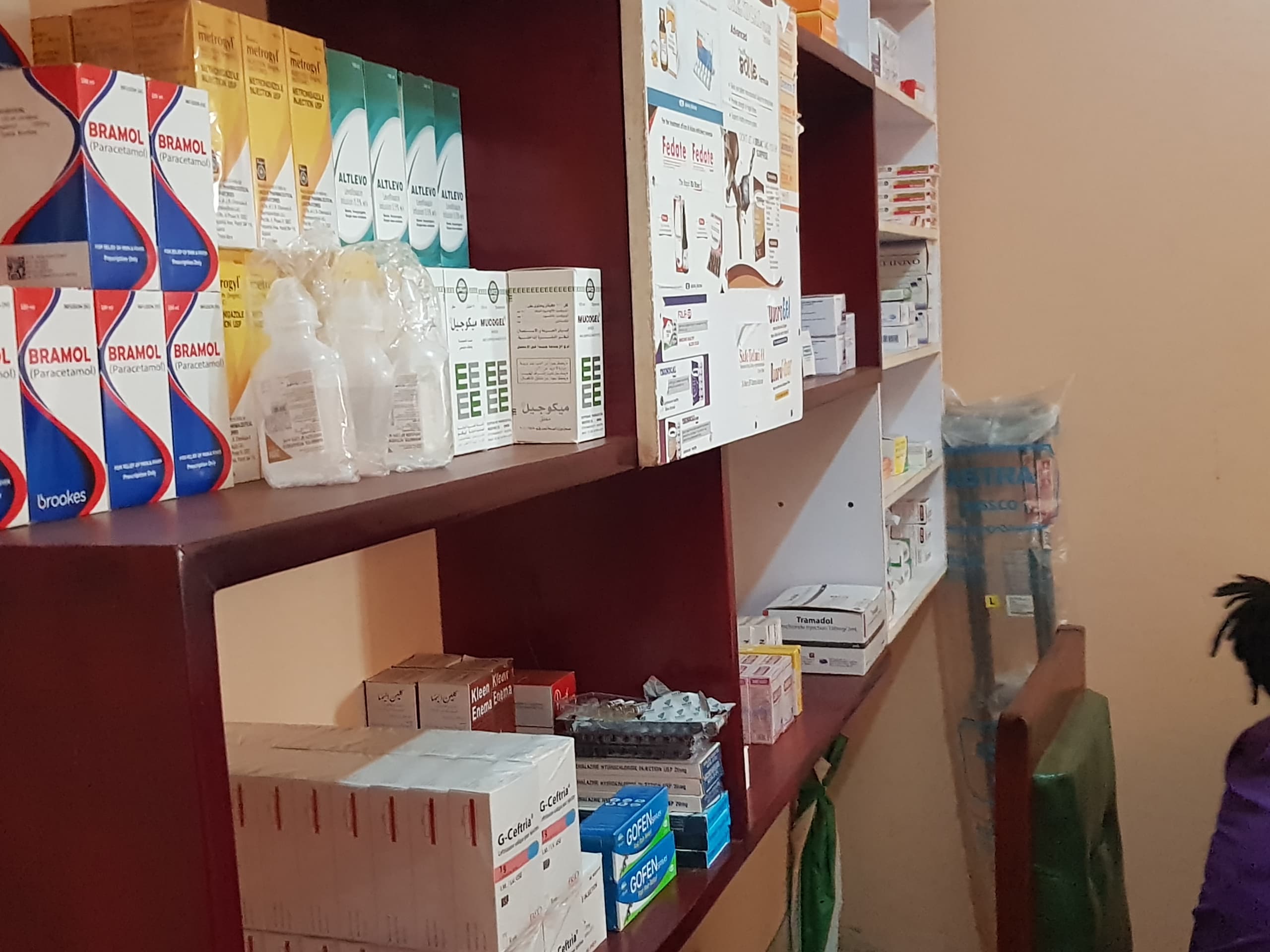
Visit Michoes Today

  • Get immediate help and diagnosis
  • Timely Prescriptions
  • Expert surgical and orthopedic care

Comments

Leave a Reply

Your email address will not be published. Required fields are marked *

  • DVT: Causes, Symptoms, and Prevention

    DVT: Causes, Symptoms, and Prevention

    Deep Vein Thrombosis (DVT) is a blood clot that forms in the deep veins of the body, most commonly in the legs. It can be life-threatening if it breaks loose and travels to the lungs, causing a pulmonary embolism. In this article, we will discuss the causes, symptoms, and prevention strategies for DVT. DVT is…

  • Deep Vein Thrombosis (DVT) Risk Higher for Black People: Know Your Symptoms and Prevention Tips

    Deep Vein Thrombosis (DVT) Risk Higher for Black People: Know Your Symptoms and Prevention Tips

    Black people are at a higher risk of developing deep vein thrombosis (DVT), also known as blood clots, compared to people of other races. According to studies, Black Americans have 30% to 60% higher rates of DVT than white people. A DVT can be life-threatening if it breaks loose and travels to the lungs, causing…

  • Leg Swelling: Causes, Symptoms, and Treatment Options

    Leg Swelling: Causes, Symptoms, and Treatment Options

    Leg swelling can be a common and frustrating condition that affects millions of people worldwide. It is characterized by the accumulation of fluid in the legs, which can lead to discomfort, pain, and even serious health complications if left untreated. In this article, we will explore the causes of leg swelling, its symptoms, treatment options,…

  • DVT Treatment and Prevention at Michoes Medical Centre

    DVT Treatment and Prevention at Michoes Medical Centre

    At Michoes Medical Centre, we understand the importance of prompt treatment for Deep Vein Thrombosis (DVT) to prevent complications. Our team of experienced doctors and medical professionals are committed to providing safe and effective treatment options. Deep Vein Thrombosis is a serious condition that occurs when a blood clot forms in a deep vein, usually…

  • Deep Vein Thrombosis (DVT) Risk Factors and Prevention: Know Your Symptoms

    Deep Vein Thrombosis (DVT) Risk Factors and Prevention: Know Your Symptoms

    As a woman living in Kanyum, Kumi, Soroti, or surrounding areas of Eastern Uganda, it’s essential to understand the risks of Deep Vein Thrombosis (DVT), a condition that can be life-threatening if left untreated. At Michoes Medical Centre, our dedicated team is committed to providing you with accurate information and expert care to prevent DVT…

  • # Deep Vein Thrombosis (DVT)

    # Deep Vein Thrombosis (DVT)

    Deep vein thrombosis, also known as DVT, is a condition where a blood clot forms in the deep veins of the body. This can be life-threatening if it breaks off and travels to the lungs, causing a pulmonary embolism. ## Symptoms Symptoms of DVT may include: * Swelling in one leg * Pain or tenderness…

  • Faster Heartbeat: What Causes It and What to Do?

    Faster Heartbeat: What Causes It and What to Do?

    A faster heartbeat, also known as tachycardia, can be caused by various factors. Understanding the causes of this condition is essential to prevent a medical emergency. Tachycardia can be caused by many medications, including antibiotics, antidepressants, and even certain supplements. Types of Tachycardia Postural Orthostatic Tachycardia Syndrome (POTS) is a circulatory disorder that can make…

  • Michoes Medical Centre – Your Partner in Healthcare for Kanyum, Kumi District, Eastern Uganda

    Michoes Medical Centre – Your Partner in Healthcare for Kanyum, Kumi District, Eastern Uganda

    Welcome to Michoes Medical Centre, your trusted healthcare partner in Kanyum, Kumi District, and surrounding areas of Eastern Uganda. We are dedicated to providing quality medical care with a focus on patient-centered services. Our experienced team of doctors and medical professionals is committed to delivering exceptional care that meets the unique needs of our patients.…

  • Michoes Medical Centre: Your 24/7 Health Partner in Kanyum, Kumi District

    Michoes Medical Centre: Your 24/7 Health Partner in Kanyum, Kumi District

    Welcome to Michoes Medical Centre, your trusted healthcare partner in Kanyum, Kumi District. We are a state-of-the-art, 24/7 medical centre dedicated to providing compassionate and patient-first care to our community. Located in the heart of Kanyum, we offer a wide range of services tailored to meet the unique needs of our patients. From primary care…

  • Endoscopy: Understanding the Procedure and Risks

    Endoscopy: Understanding the Procedure and Risks

    Endoscopy is a medical procedure that uses a long, thin tube with a light and camera attached to diagnose and treat conditions in the digestive tract. The procedure can be performed in various parts of the digestive system, including the esophagus, stomach, small intestine, and colon. During an endoscopy, the doctor will insert the scope…