
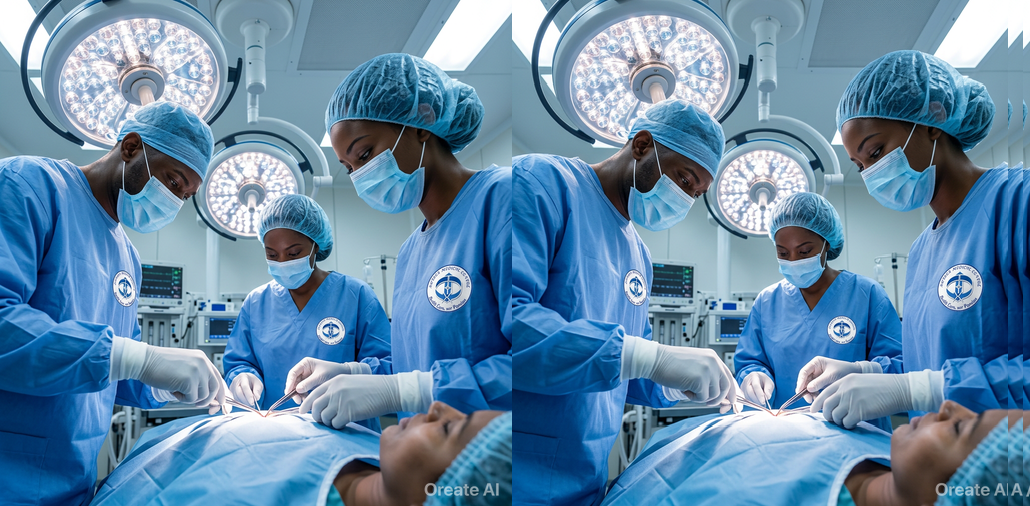
Cervical Cancer Symptoms, Causes, Treatments, and Survival Rates

Understanding cervical cancer is crucial for early detection and effective treatment. Cervical cancer is a type of cancer that affects the cervix, which is the lower part of the uterus in the human female reproductive system.

Cervical cancer is often caused by human papillomavirus (HPV), a common sexually transmitted infection (STI). Regular screenings and vaccinations can help prevent cervical cancer. If left untreated, cervical cancer can lead to severe health complications, including infertility, pregnancy complications, and even death.

Causes of Cervical Cancer

The primary cause of cervical cancer is the human papillomavirus (HPV). There are over 100 types of HPV, but not all of them can lead to cancer. Certain high-risk types of HPV can cause cell changes in the cervix that may develop into cancer.

Symptoms of Cervical Cancer

Symptoms of cervical cancer may not appear until the cancer has spread to other parts of the body. However, some women may experience:

  • A change in vaginal discharge or bleeding patterns.
  • Painful sex or intercourse.
  • A feeling of heaviness or pressure in the pelvis.
  • Abdominal pain or discomfort.

It’s essential to note that many women with cervical cancer do not exhibit these symptoms until the disease is advanced. Regular screenings and Pap tests can help detect abnormal cell changes before they become cancerous.

Treatments for Cervical Cancer

The treatment for cervical cancer depends on the stage of the disease, the woman’s overall health, and other factors. Common treatments include:

  • Radiation therapy: This involves using high-energy rays to kill cancer cells.
  • Chemotherapy: This involves taking medication to kill cancer cells throughout the body.
  • Surgery: This involves removing the tumor and surrounding tissue.
  • Targeted therapy: This involves using medications that target specific genetic changes in cancer cells.

A combination of treatments may be used, depending on the stage and severity of the disease.

Survival Rates for Cervical Cancer

The survival rate for cervical cancer depends on the stage of the disease. According to the Surveillance, Epidemiology, and End Results (SEER) database, the overall survival rate for cervical cancer is:

  • 67% after 5 years.
  • 49% after 10 years.
  • 35% after 20 years.

Early detection and effective treatment can significantly improve the chances of survival.

Prevention and Screening

Preventing cervical cancer is crucial. Regular screenings, including Pap tests and HPV vaccinations, can help detect abnormal cell changes before they become cancerous.

  • Pap test: A screening test that checks for abnormal cell changes in the cervix.
  • HPV vaccination: A vaccine that protects against certain high-risk types of HPV that cause cervical cancer.

Getting regular check-ups with your healthcare provider and following these preventive measures can help reduce the risk of developing cervical cancer.

Targeted CTA

If you’re experiencing any unusual symptoms or have concerns about your cervix, contact your healthcare provider or a local medical center for guidance. For cervical cancer support and information, call (555) 123-4567 or visit [website URL].
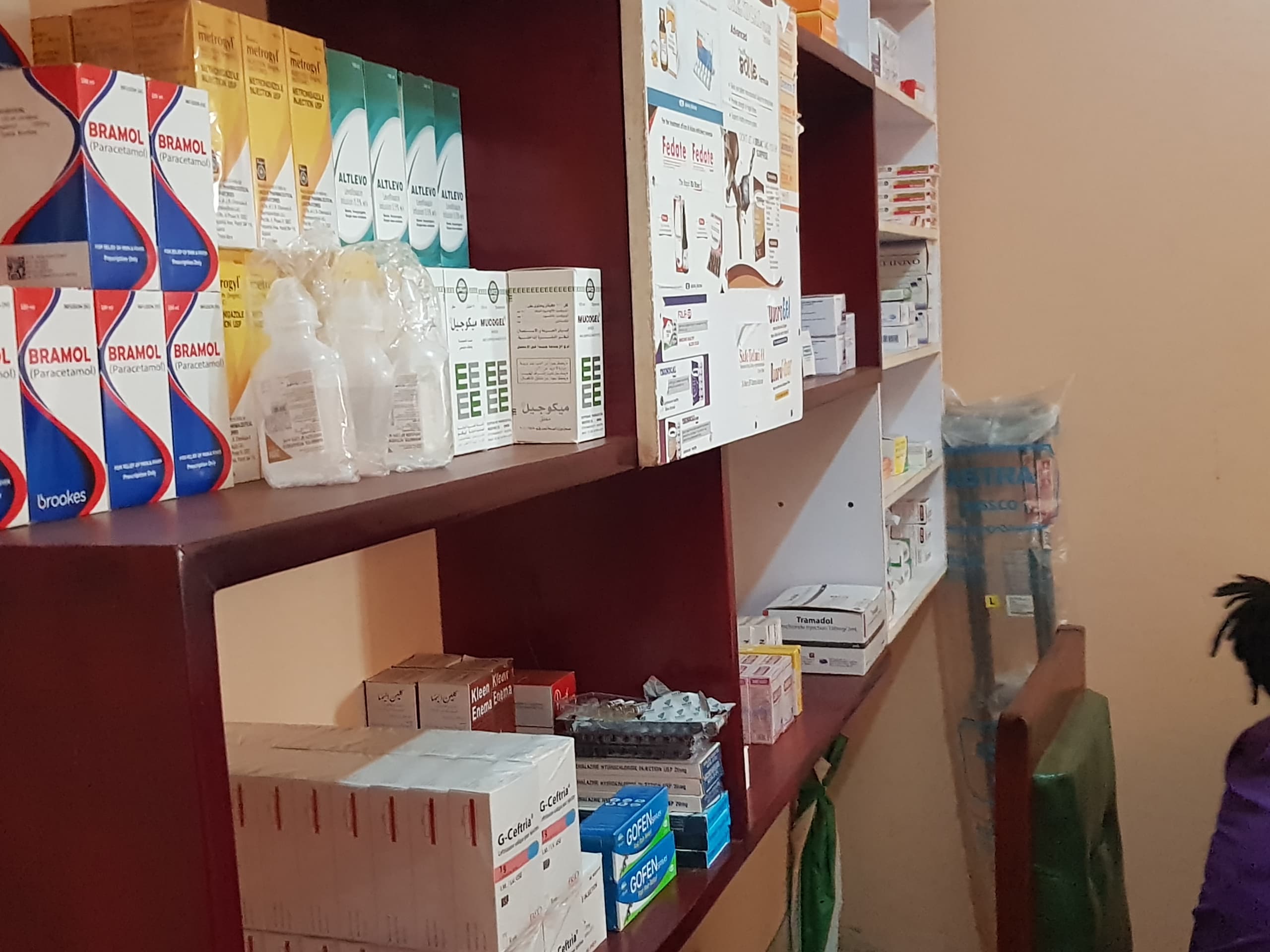
Visit Michoes Today

  • Get immediate help and diagnosis
  • Timely Prescriptions
  • Expert surgical and orthopedic care

Comments

Leave a Reply

Your email address will not be published. Required fields are marked *

  • Managing Type 2 Diabetes: A Lifelong Journey

    Managing Type 2 Diabetes: A Lifelong Journey

    To effectively manage type 2 diabetes, it’s essential to adopt a holistic approach that incorporates lifestyle changes, medication adherence, and regular monitoring. By taking small steps towards a healthier lifestyle, you can significantly reduce the risk of complications and improve overall well-being. According to the American Diabetes Association, approximately 34 million adults in the United…

  • Managing Diabetic Peripheral Neuropathy (DPN) with Michoes Medical Centre

    Managing Diabetic Peripheral Neuropathy (DPN) with Michoes Medical Centre

    Learn why foot exams are an essential habit when you have diabetic peripheral neuropathy (DPN) and tips for making it part of your daily routine. Diabetic peripheral neuropathy, or DPN, is a condition that affects people with diabetes. It occurs when high blood sugar levels damage the nerves in the feet, leading to numbness, pain,…

  • Michoes Medical Centre: Your Trusted Partner in Healthcare

    Michoes Medical Centre: Your Trusted Partner in Healthcare

    At Michoes Medical Centre, we understand the importance of timely and quality healthcare services. Our state-of-the-art facility is equipped with the latest medical technology to provide you with personalized care. Our team of experienced doctors and nurses are dedicated to delivering exceptional patient care. We offer a wide range of medical services including Emergency Laparotomies,…

  • Michoes Medical Centre – Your Trusted Healthcare Partner in Kanyum, Kumi District

    Michoes Medical Centre – Your Trusted Healthcare Partner in Kanyum, Kumi District

    Welcome to Michoes Medical Centre, your premier healthcare destination in the heart of Eastern Uganda. We are committed to providing high-quality, compassionate care that addresses the unique needs of our patients in Kanyum, Kumi District and beyond. Our state-of-the-art medical facility is equipped with modern technology and staffed by a team of experienced doctors and…

  • Erectile Dysfunction Treatment in Kanyum, Kumi – Michoes Medical Centre

    Erectile Dysfunction Treatment in Kanyum, Kumi – Michoes Medical Centre

    Kanyum, Kumi, Eastern Uganda: Michoes Medical Centre offers expert erectile dysfunction treatment in a comfortable and confidential setting. Our team of experienced doctors and healthcare professionals is dedicated to providing personalized care and addressing the underlying causes of ED. At Michoes Medical Centre, we understand that erectile dysfunction can be a sensitive topic, which is…

  • Michoes Medical Centre – Your Trusted 24/7 Healthcare Partner in Kumi, Eastern Uganda

    Michoes Medical Centre – Your Trusted 24/7 Healthcare Partner in Kumi, Eastern Uganda

    Welcome to Michoes Medical Centre, your premier healthcare destination in Kanyum, Kumi District, Eastern Uganda. Our state-of-the-art facility is equipped with modern technology and staffed by experienced medical professionals who are dedicated to providing you with the highest quality care. Meet Our Expert Doctors We have a team of highly skilled doctors who specialize in…

  • Michoes Medical Centre – Your 24/7 Health Partner in Kanyum, Kumi District

    Michoes Medical Centre – Your 24/7 Health Partner in Kanyum, Kumi District

    Located in the heart of Kanyum, Michoes Medical Centre is dedicated to providing high-quality, compassionate healthcare services to individuals and families across Eastern Uganda. Our state-of-the-art facilities and experienced team are committed to delivering exceptional care that meets your unique needs. We understand that health issues can arise at any time, which is why we’re…

  • Understanding Heart Anatomy and Function

    Understanding Heart Anatomy and Function

    The human heart is a complex and essential organ that plays a vital role in our survival. It is a four-chambered, hollow organ that pumps blood throughout the body. In this article, we will explore the anatomy and function of the heart, including its chambers, valves, and blood vessels. The heart is made up of…

  • High Cholesterol: Causes, Symptoms, and Treatment Options

    High Cholesterol: Causes, Symptoms, and Treatment Options

    Cholesterol is an essential nutrient found in the bloodstream that helps build and maintain healthy cells. However, when cholesterol levels become too high, it can lead to various health problems, including heart disease, stroke, and peripheral artery disease. Causes of High Cholesterol: High cholesterol is often caused by a combination of genetic, lifestyle, and environmental…

  • Antibiotics: What You Need to Know

    Antibiotics: What You Need to Know

    Antibiotics are medicines that help stop infections caused by bacteria. They do this by killing the bacteria or by keeping them from copying themselves or reproducing. The word antibiotic means “against life.” Any drug that kills germs in your body is technically an antibiotic, but most people use the term when they’re talking about medicine…