
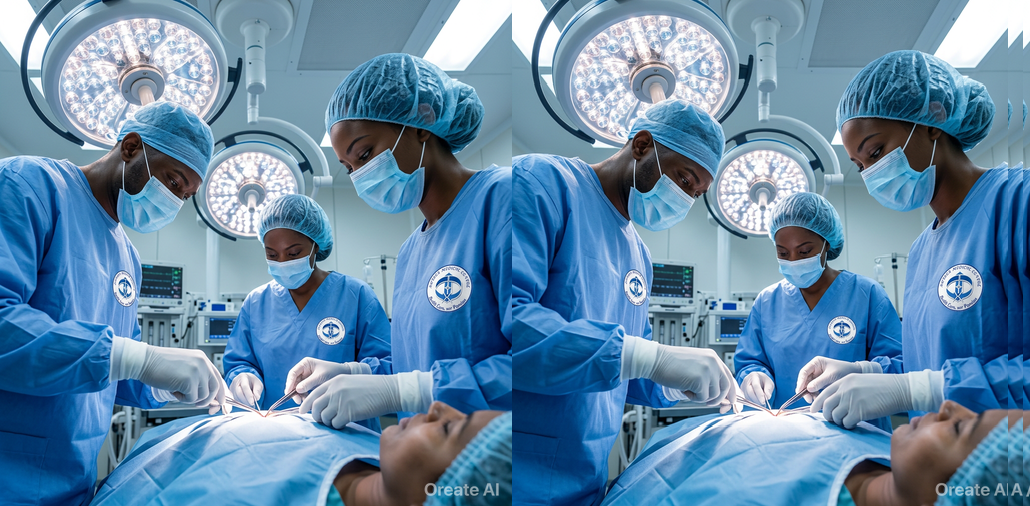
Cervical Cancer Symptoms, Causes, Treatments, and Survival Rates

Understanding cervical cancer is crucial for early detection and effective treatment. Cervical cancer is a type of cancer that affects the cervix, which is the lower part of the uterus in the human female reproductive system.

Cervical cancer is often caused by human papillomavirus (HPV), a common sexually transmitted infection (STI). Regular screenings and vaccinations can help prevent cervical cancer. If left untreated, cervical cancer can lead to severe health complications, including infertility, pregnancy complications, and even death.

Causes of Cervical Cancer

The primary cause of cervical cancer is the human papillomavirus (HPV). There are over 100 types of HPV, but not all of them can lead to cancer. Certain high-risk types of HPV can cause cell changes in the cervix that may develop into cancer.

Symptoms of Cervical Cancer

Symptoms of cervical cancer may not appear until the cancer has spread to other parts of the body. However, some women may experience:

  • A change in vaginal discharge or bleeding patterns.
  • Painful sex or intercourse.
  • A feeling of heaviness or pressure in the pelvis.
  • Abdominal pain or discomfort.

It’s essential to note that many women with cervical cancer do not exhibit these symptoms until the disease is advanced. Regular screenings and Pap tests can help detect abnormal cell changes before they become cancerous.

Treatments for Cervical Cancer

The treatment for cervical cancer depends on the stage of the disease, the woman’s overall health, and other factors. Common treatments include:

  • Radiation therapy: This involves using high-energy rays to kill cancer cells.
  • Chemotherapy: This involves taking medication to kill cancer cells throughout the body.
  • Surgery: This involves removing the tumor and surrounding tissue.
  • Targeted therapy: This involves using medications that target specific genetic changes in cancer cells.

A combination of treatments may be used, depending on the stage and severity of the disease.

Survival Rates for Cervical Cancer

The survival rate for cervical cancer depends on the stage of the disease. According to the Surveillance, Epidemiology, and End Results (SEER) database, the overall survival rate for cervical cancer is:

  • 67% after 5 years.
  • 49% after 10 years.
  • 35% after 20 years.

Early detection and effective treatment can significantly improve the chances of survival.

Prevention and Screening

Preventing cervical cancer is crucial. Regular screenings, including Pap tests and HPV vaccinations, can help detect abnormal cell changes before they become cancerous.

  • Pap test: A screening test that checks for abnormal cell changes in the cervix.
  • HPV vaccination: A vaccine that protects against certain high-risk types of HPV that cause cervical cancer.

Getting regular check-ups with your healthcare provider and following these preventive measures can help reduce the risk of developing cervical cancer.

Targeted CTA

If you’re experiencing any unusual symptoms or have concerns about your cervix, contact your healthcare provider or a local medical center for guidance. For cervical cancer support and information, call (555) 123-4567 or visit [website URL].
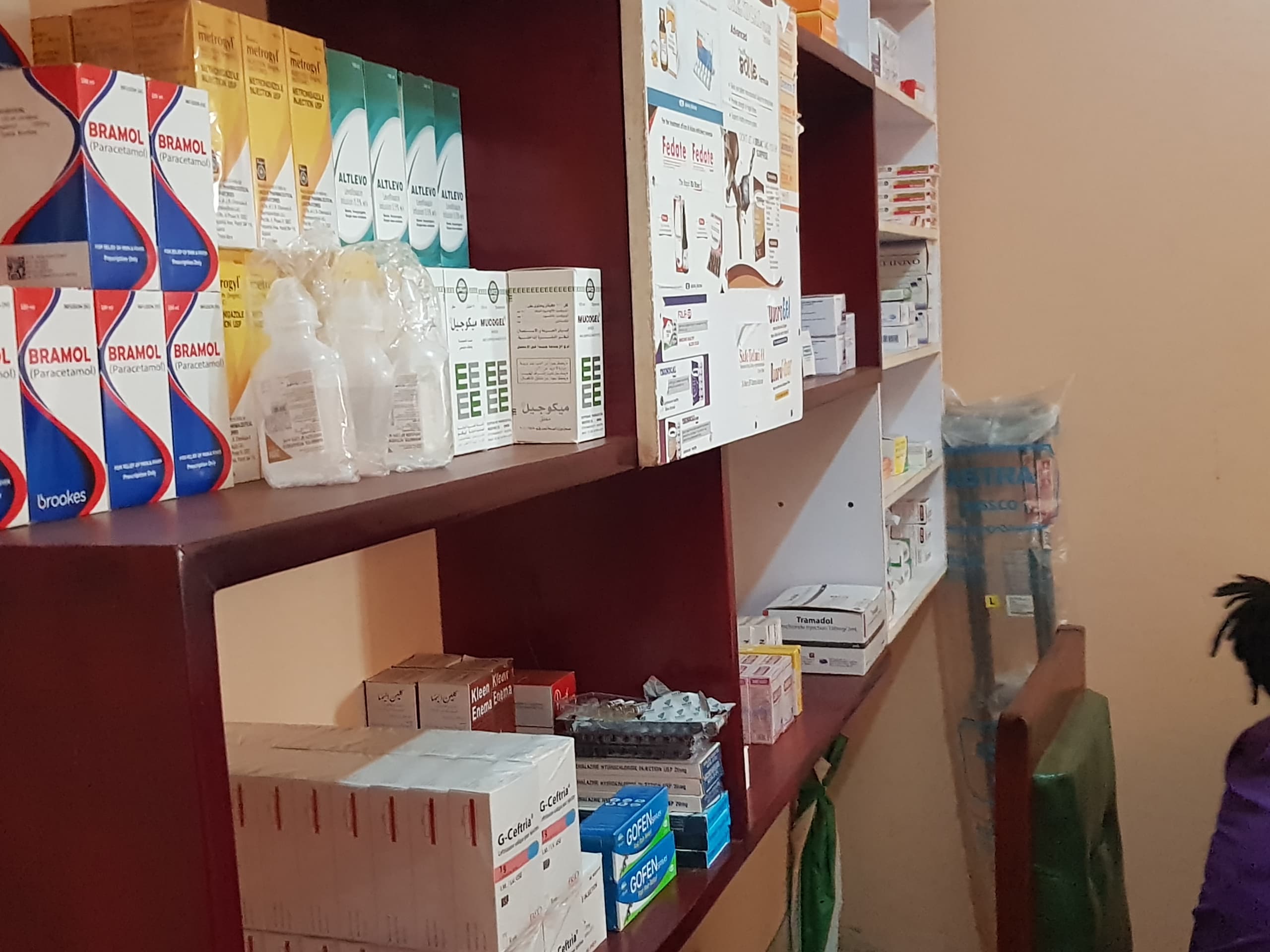
Visit Michoes Today

  • Get immediate help and diagnosis
  • Timely Prescriptions
  • Expert surgical and orthopedic care

Comments

Leave a Reply

Your email address will not be published. Required fields are marked *

  • Managing Impulsive Behavior

    Managing Impulsive Behavior

    Impulsive behavior can be a symptom of several conditions, including attention deficit hyperactivity disorder (ADHD), bipolar disorder, and impulse control disorders. It’s essential to understand the causes and consequences of impulsive behavior to develop effective strategies for management. Impulsive behavior can manifest in various ways, such as interrupting others, shouting out answers, or having trouble…

  • Understanding Alzheimer’s Disease: Causes, Symptoms, and Treatment Options

    Understanding Alzheimer’s Disease: Causes, Symptoms, and Treatment Options

    Alzheimer’s disease is a progressive neurological disorder that affects memory, thinking, and behavior. It is the most common cause of dementia in older people, accounting for 60-80% of all dementia cases. In this article, we will delve into the causes, symptoms, and treatment options for Alzheimer’s disease. What Causes Alzheimer’s Disease? Alzheimer’s disease is a…

  • Michoes Medical Centre: Your Trusted Healthcare Partner in Kanyum, Kumi District

    Michoes Medical Centre: Your Trusted Healthcare Partner in Kanyum, Kumi District

    Welcome to Michoes Medical Centre, your premier healthcare destination in the heart of Kanyum, Kumi District. Our state-of-the-art facility is dedicated to providing exceptional medical care, compassion, and kindness to our patients. We understand that navigating the complexities of healthcare can be overwhelming, which is why we’re here to guide you every step of the…

  • Treatment for Depression and Severe Depression: ECT, TMS, VNS, and More

    Treatment for Depression and Severe Depression: ECT, TMS, VNS, and More

    Electroconvulsive therapy (ECT) is a treatment that involves the use of electric currents to stimulate brain activity. It is often used as a last resort for patients with severe depression who have not responded to other treatments. Treatment-resistant depression refers to the type of depression that does not respond to medication or psychotherapy. ECT has…

  • Dissociation: Understanding the Condition and Finding Help

    Dissociation: Understanding the Condition and Finding Help

    Dissociation is a complex mental health condition that can manifest in different ways. It involves a disconnection from one’s thoughts, feelings, or experiences, which can be caused by various factors such as trauma, stress, or anxiety. Dissociative disorders are mental health conditions characterized by disruptions in memory, identity, and sense of self. The symptoms can…

  • Understanding Alzheimer’s Disease and Its Effects on Daily Life

    Understanding Alzheimer’s Disease and Its Effects on Daily Life

    Alzheimer’s disease is a progressive neurological disorder that affects memory, thinking, and behavior. It is the most common cause of dementia among older adults, accounting for 60-80% of all dementia cases. According to the World Health Organization (WHO), an estimated 50 million people worldwide live with dementia, with numbers expected to triple by 2050. Causes…

  • Alzheimer’s Disease: Understanding the Risks and Challenges in Asian Communities

    Alzheimer’s Disease: Understanding the Risks and Challenges in Asian Communities

    Alzheimer’s disease is a growing concern in Asian communities, with unique challenges and health disparities. As an Asian American caregiver or individual, it’s essential to understand the risks and challenges associated with Alzheimer’s disease, as well as ways to access support and resources. In Asian cultures, filial piety and respect for elders are deeply ingrained…

  • Dermatitis: Symptoms, Treatment, and Prevention

    Dermatitis: Symptoms, Treatment, and Prevention

    Dermatitis is a common skin condition that affects millions of people worldwide. It is characterized by redness, itching, and inflammation of the skin, and can be caused by a variety of factors such as allergies, irritants, and genetic predisposition. Types of Dermatitis There are several types of dermatitis, including atopic dermatitis (eczema), contact dermatitis, seborrheic…

  • Dyshidrotic Eczema: Treatment, Causes and Management at Michoes Medical Centre

    Dyshidrotic Eczema: Treatment, Causes and Management at Michoes Medical Centre

    Dyshidrotic eczema is a sudden rash of small, itchy blisters on your palms and along the sides of your fingers. This skin condition can also make blisters pop up on the soles of your feet or on your toes. Your doctor might call it by other names, including dyshidrosis, foot-and-hand eczema, pompholyx, vesicular eczema, or…

  • Michoes Medical Centre: Your Partner in Health for Eastern Uganda

    Michoes Medical Centre: Your Partner in Health for Eastern Uganda

    Michoes Medical Centre is your trusted healthcare partner, located in the heart of Kanyum, Kumi District. Our 24/7 private medical centre provides advanced, compassionate, and patient-first healthcare to communities across Eastern Uganda. We understand that every moment counts when it comes to your health. That’s why we’re always here for you, day or night, with…