

Cervical Cancer Symptoms, Causes, Treatments, and Survival Rates

Understanding cervical cancer is crucial for early detection and effective treatment. Cervical cancer is a type of cancer that affects the cervix, which is the lower part of the uterus in the human female reproductive system.

Cervical cancer is often caused by human papillomavirus (HPV), a common sexually transmitted infection (STI). Regular screenings and vaccinations can help prevent cervical cancer. If left untreated, cervical cancer can lead to severe health complications, including infertility, pregnancy complications, and even death.

Causes of Cervical Cancer

The primary cause of cervical cancer is the human papillomavirus (HPV). There are over 100 types of HPV, but not all of them can lead to cancer. Certain high-risk types of HPV can cause cell changes in the cervix that may develop into cancer.

Symptoms of Cervical Cancer

Symptoms of cervical cancer may not appear until the cancer has spread to other parts of the body. However, some women may experience:

  • A change in vaginal discharge or bleeding patterns.
  • Painful sex or intercourse.
  • A feeling of heaviness or pressure in the pelvis.
  • Abdominal pain or discomfort.

It’s essential to note that many women with cervical cancer do not exhibit these symptoms until the disease is advanced. Regular screenings and Pap tests can help detect abnormal cell changes before they become cancerous.

Treatments for Cervical Cancer

The treatment for cervical cancer depends on the stage of the disease, the woman’s overall health, and other factors. Common treatments include:

  • Radiation therapy: This involves using high-energy rays to kill cancer cells.
  • Chemotherapy: This involves taking medication to kill cancer cells throughout the body.
  • Surgery: This involves removing the tumor and surrounding tissue.
  • Targeted therapy: This involves using medications that target specific genetic changes in cancer cells.

A combination of treatments may be used, depending on the stage and severity of the disease.

Survival Rates for Cervical Cancer

The survival rate for cervical cancer depends on the stage of the disease. According to the Surveillance, Epidemiology, and End Results (SEER) database, the overall survival rate for cervical cancer is:

  • 67% after 5 years.
  • 49% after 10 years.
  • 35% after 20 years.

Early detection and effective treatment can significantly improve the chances of survival.

Prevention and Screening

Preventing cervical cancer is crucial. Regular screenings, including Pap tests and HPV vaccinations, can help detect abnormal cell changes before they become cancerous.

  • Pap test: A screening test that checks for abnormal cell changes in the cervix.
  • HPV vaccination: A vaccine that protects against certain high-risk types of HPV that cause cervical cancer.

Getting regular check-ups with your healthcare provider and following these preventive measures can help reduce the risk of developing cervical cancer.

Targeted CTA

If you’re experiencing any unusual symptoms or have concerns about your cervix, contact your healthcare provider or a local medical center for guidance. For cervical cancer support and information, call (555) 123-4567 or visit [website URL].
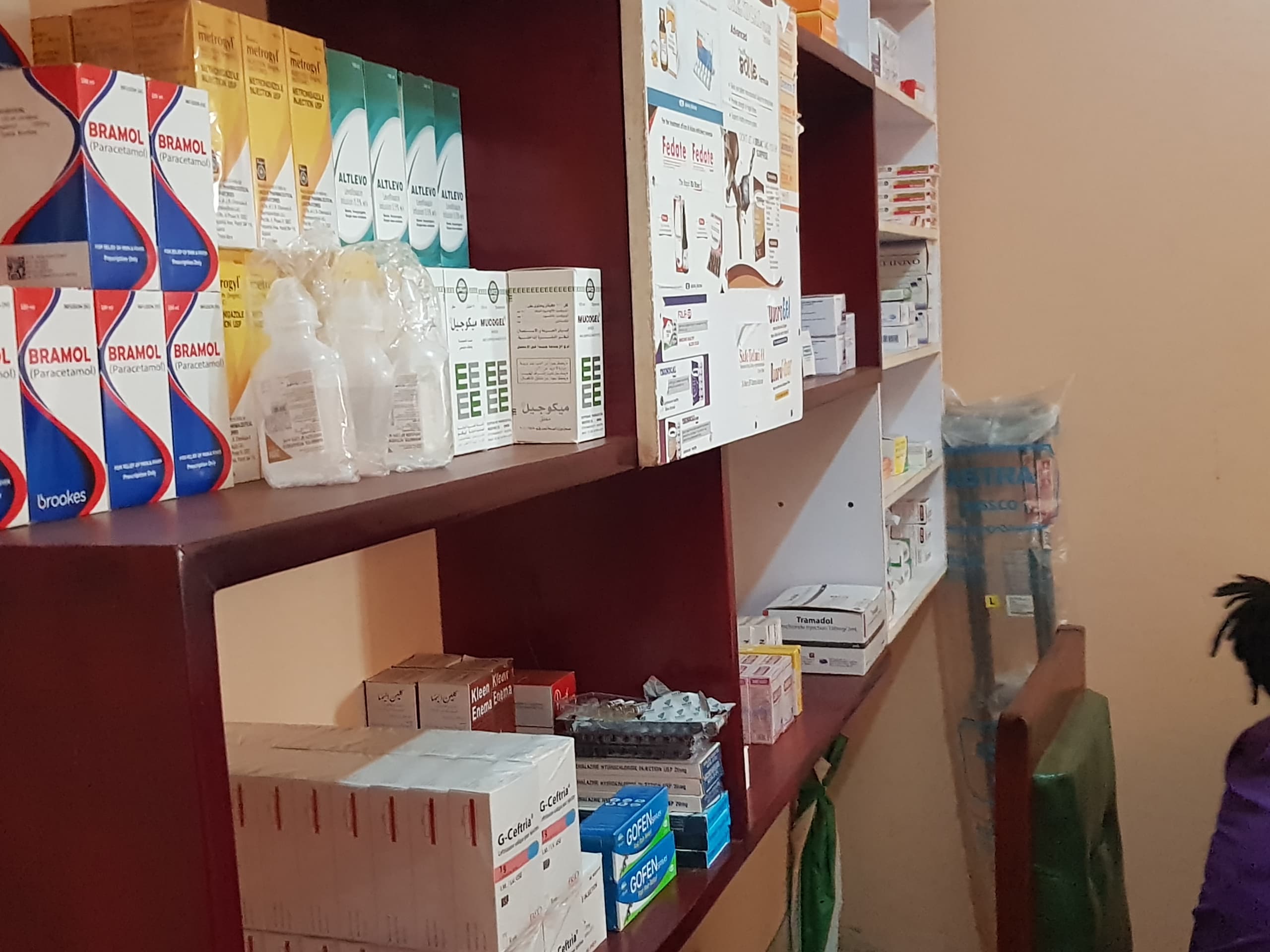
Visit Michoes Today

  • Get immediate help and diagnosis
  • Timely Prescriptions
  • Expert surgical and orthopedic care

Comments

Leave a Reply

Your email address will not be published. Required fields are marked *

  • Atrial Fibrillation: Understanding the Condition and Managing Symptoms

    Atrial Fibrillation: Understanding the Condition and Managing Symptoms

    Atrial fibrillation (AFib) is a type of irregular heartbeat that can increase the risk of stroke, heart failure, and other complications. It occurs when the upper chambers of the heart beat rapidly and irregularly, rather than beating in a regular rhythm. AFib can be caused by a variety of factors, including age, family history, high…

  • Atrial Fibrillation: Causes, Symptoms, and Treatment Options

    Atrial Fibrillation: Causes, Symptoms, and Treatment Options

    Atrial fibrillation (AFib) is a type of irregular heartbeat that can be caused by various factors. It’s essential to understand the causes, symptoms, and treatment options for this condition to take control of your heart health. Causes of Atrial Fibrillation: Age: AFib risk increases with age, especially after 65 years old. Cardiovascular disease: Conditions like…

  • Atrial Fibrillation: Treatment and Management at Michoes Medical Centre

    Atrial Fibrillation: Treatment and Management at Michoes Medical Centre

    Welcome to Michoes Medical Centre, your trusted partner in managing atrial fibrillation. Our team of experienced cardiologists and orthopedic specialists is dedicated to providing you with the best possible care for this condition. Understanding Atrial Fibrillation Atrial fibrillation (AFib) is a type of irregular heartbeat, or arrhythmia, that affects millions of people worldwide. It occurs…

  • Gallstones: Symptoms, Diagnosis and Treatment

    Gallstones: Symptoms, Diagnosis and Treatment

    Gallstones are small, hard deposits that form in the gallbladder, a small organ located under the liver. They can cause symptoms such as abdominal pain, nausea, and vomiting. In most cases, gallstones do not cause any health problems and may pass on their own. However, in some cases, they can block the bile ducts and…

  • Michoes Medical Centre: Your Trusted Partner for Quality Healthcare in Kanyum, Kumi District, Eastern Uganda

    Michoes Medical Centre: Your Trusted Partner for Quality Healthcare in Kanyum, Kumi District, Eastern Uganda

    Welcome to Michoes Medical Centre, your premier healthcare provider in Kanyum, Kumi District, and beyond. Our state-of-the-art facility is equipped with the latest medical technology and staffed by highly skilled doctors and nurses who are dedicated to providing you with exceptional care. At Michoes Medical Centre, we understand the importance of timely and effective medical…

  • Michoes Medical Centre: Your Trusted Partner in Health and Wellness

    Michoes Medical Centre: Your Trusted Partner in Health and Wellness

    Kumi, Uganda – Michoes Medical Centre is a leading healthcare provider in Kumi District, offering a wide range of medical services to residents. Our state-of-the-art facility is equipped with modern technology and staffed by experienced doctors and nurses who are dedicated to delivering high-quality patient care. Our hospital offers various specialized departments, including orthopedics, general…

  • Managing Immune Thrombocytopenia (ITP) in Uganda

    Managing Immune Thrombocytopenia (ITP) in Uganda

    Immune thrombocytopenia (ITP) is a rare blood disorder where the immune system mistakenly attacks and destroys platelets, leading to low levels of platelets in the blood. In Uganda, ITP can cause bruising, bleeding, and fatigue. According to Dr. [Name], a hematologist at [Hospital Name] in Kampala, Uganda, “ITP is often misdiagnosed or underdiagnosed in Uganda…

  • # Morning After Pill: What You Need to Know

    # Morning After Pill: What You Need to Know

    The morning after pill, also known as emergency contraception, is a type of birth control used to prevent pregnancy after unprotected sex. It’s essential to understand the different types, how they work, and when to take them. What are Emergency Contraception Pills? Emergency contraception pills are designed to be taken after unprotected sex to prevent…

  • Michoes Medical Centre: Your 24/7 Healthcare Partner in Eastern Uganda

    Michoes Medical Centre: Your 24/7 Healthcare Partner in Eastern Uganda

    In the heart of Eastern Uganda, Michoes Medical Centre is dedicated to providing high-quality, compassionate care to patients across Kanyum, Kumi, Soroti, and beyond. As a 24/7 private medical centre, we are committed to delivering exceptional healthcare services that cater to your unique needs. Blood Cancer Diagnosis and Treatment Michoes Medical Centre is equipped with…

  • B-cell Acute Lymphoblastic Leukemia (ALL): Understanding the Treatment Options

    B-cell Acute Lymphoblastic Leukemia (ALL): Understanding the Treatment Options

    B-cell acute lymphoblastic leukemia (ALL) is a type of blood cancer that affects the bone marrow, which makes blood. It’s characterized by an overproduction of immature white blood cells called lymphoblasts. The symptoms can vary depending on the stage and severity of the disease. Symptoms: The symptoms of B-cell ALL may include: fatigue, weakness, pale…