

Breastfeeding and Lactation Outcomes

The American Academy of Pediatrics recommends breastfeeding for at least the first six months of life, with continued breastfeeding as complementary to solid foods up to two years of age or beyond.

Breast milk contains antibodies that help protect babies from infections and diseases. Regular breastfeeding can also help promote a healthy weight gain in newborns, reduce the risk of breast cancer, and lower cholesterol levels.

Despite these benefits, some mothers may face challenges while breastfeeding. Common issues include:

Low Milk Production

Low milk production, also known as low lactation, can be caused by various factors such as hormonal imbalances, stress, or certain medications.

Here are some tips to help increase breast milk production:

* Wear a comfortable nursing bra that provides good support and helps prevent discomfort.
* Take regular breaks to pump or nurse frequently throughout the day.
* Stay hydrated by drinking plenty of water.
* Eat a balanced diet rich in protein, iron, and calcium.
* Get enough rest and practice stress-reducing techniques like meditation or deep breathing.

If you’re experiencing persistent low milk production, consult with your healthcare provider for guidance on how to address the issue.

Benefits of Breastfeeding

Regular breastfeeding can have numerous benefits for both mothers and babies. Some of these advantages include:

* Improved immune system function in infants
* Reduced risk of breast cancer and other health problems in mothers
* Lower cholesterol levels and improved weight management
* Increased opportunities for skin-to-skin contact and bonding between mother and child

By incorporating breastfeeding into your parenting routine, you can give your baby the best possible start in life.

Stop Breastfeeding

Deciding when to stop breastfeeding is a personal decision that depends on various factors such as lifestyle, work schedule, and individual preferences.

Here are some general guidelines:

* The American Academy of Pediatrics recommends breastfeeding up to two years of age or beyond.
* If you’re returning to work, consider expressing milk for your baby while away.
* Weaning can be a gradual process, and it’s essential to ensure your child is receiving sufficient nutrition from solid foods.

By making an informed decision about when to stop breastfeeding, you can prioritize your child’s needs while also meeting your own.

Common Breastfeeding Challenges

While breastfeeding can be a rewarding experience for many mothers, some may face common challenges such as:

* Engorgement or breast pain
* Latching issues or nipple soreness
* Insufficient milk supply
* Emotional barriers or difficulties with skin-to-skin contact

Consult with your healthcare provider or a lactation consultant for guidance on addressing these challenges and achieving successful breastfeeding outcomes.
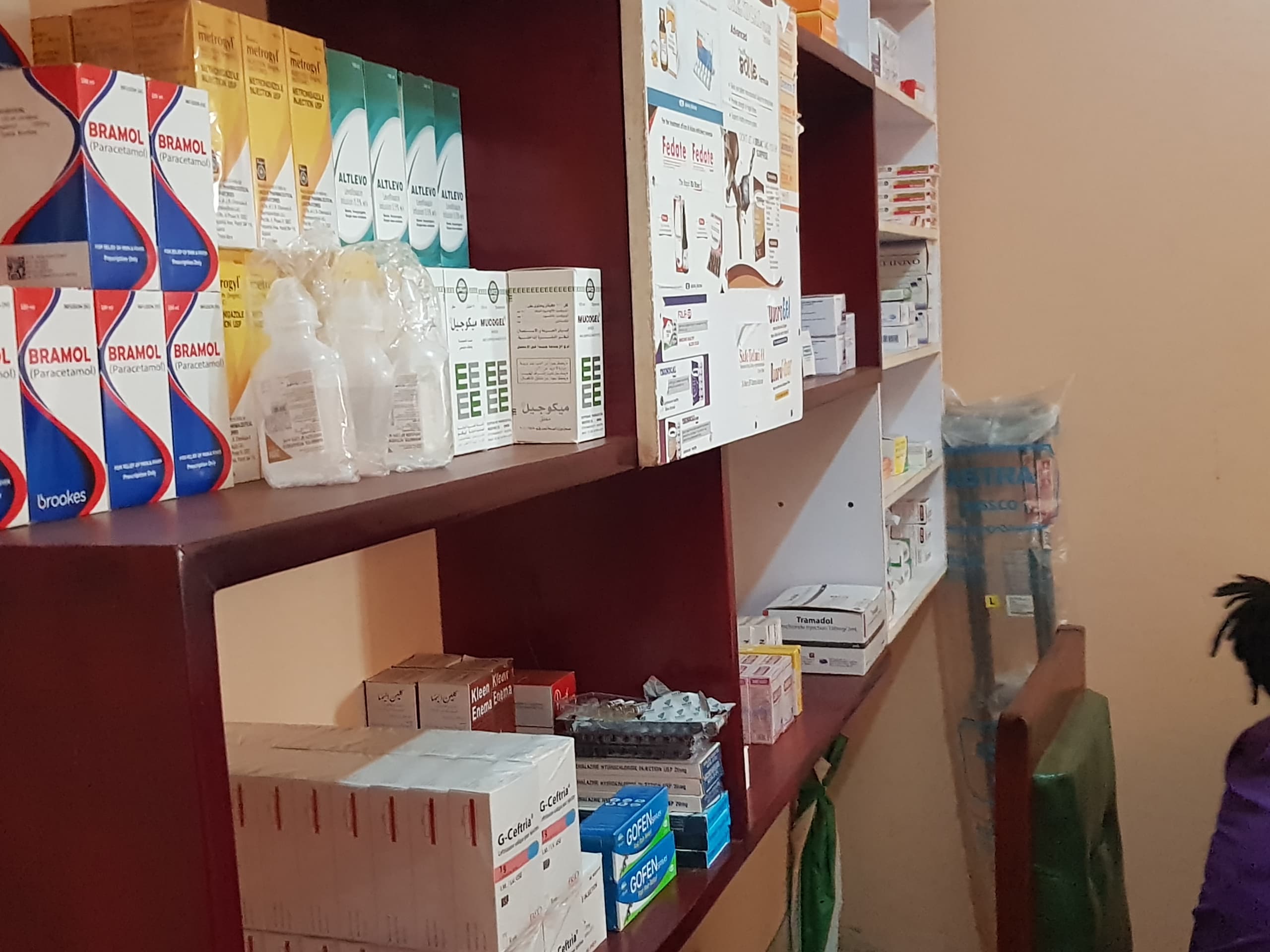
Visit Michoes Today

  • Get immediate help and diagnosis
  • Timely Prescriptions
  • Expert surgical and orthopedic care

Comments

Leave a Reply

Your email address will not be published. Required fields are marked *

  • Atrial Fibrillation: Understanding the Condition and Managing Symptoms

    Atrial Fibrillation: Understanding the Condition and Managing Symptoms

    Atrial fibrillation (AFib) is a type of irregular heartbeat that can increase the risk of stroke, heart failure, and other complications. It occurs when the upper chambers of the heart beat rapidly and irregularly, rather than beating in a regular rhythm. AFib can be caused by a variety of factors, including age, family history, high…

  • Atrial Fibrillation: Causes, Symptoms, and Treatment Options

    Atrial Fibrillation: Causes, Symptoms, and Treatment Options

    Atrial fibrillation (AFib) is a type of irregular heartbeat that can be caused by various factors. It’s essential to understand the causes, symptoms, and treatment options for this condition to take control of your heart health. Causes of Atrial Fibrillation: Age: AFib risk increases with age, especially after 65 years old. Cardiovascular disease: Conditions like…

  • Atrial Fibrillation: Treatment and Management at Michoes Medical Centre

    Atrial Fibrillation: Treatment and Management at Michoes Medical Centre

    Welcome to Michoes Medical Centre, your trusted partner in managing atrial fibrillation. Our team of experienced cardiologists and orthopedic specialists is dedicated to providing you with the best possible care for this condition. Understanding Atrial Fibrillation Atrial fibrillation (AFib) is a type of irregular heartbeat, or arrhythmia, that affects millions of people worldwide. It occurs…

  • Gallstones: Symptoms, Diagnosis and Treatment

    Gallstones: Symptoms, Diagnosis and Treatment

    Gallstones are small, hard deposits that form in the gallbladder, a small organ located under the liver. They can cause symptoms such as abdominal pain, nausea, and vomiting. In most cases, gallstones do not cause any health problems and may pass on their own. However, in some cases, they can block the bile ducts and…

  • Michoes Medical Centre: Your Trusted Partner for Quality Healthcare in Kanyum, Kumi District, Eastern Uganda

    Michoes Medical Centre: Your Trusted Partner for Quality Healthcare in Kanyum, Kumi District, Eastern Uganda

    Welcome to Michoes Medical Centre, your premier healthcare provider in Kanyum, Kumi District, and beyond. Our state-of-the-art facility is equipped with the latest medical technology and staffed by highly skilled doctors and nurses who are dedicated to providing you with exceptional care. At Michoes Medical Centre, we understand the importance of timely and effective medical…

  • Michoes Medical Centre: Your Trusted Partner in Health and Wellness

    Michoes Medical Centre: Your Trusted Partner in Health and Wellness

    Kumi, Uganda – Michoes Medical Centre is a leading healthcare provider in Kumi District, offering a wide range of medical services to residents. Our state-of-the-art facility is equipped with modern technology and staffed by experienced doctors and nurses who are dedicated to delivering high-quality patient care. Our hospital offers various specialized departments, including orthopedics, general…

  • Managing Immune Thrombocytopenia (ITP) in Uganda

    Managing Immune Thrombocytopenia (ITP) in Uganda

    Immune thrombocytopenia (ITP) is a rare blood disorder where the immune system mistakenly attacks and destroys platelets, leading to low levels of platelets in the blood. In Uganda, ITP can cause bruising, bleeding, and fatigue. According to Dr. [Name], a hematologist at [Hospital Name] in Kampala, Uganda, “ITP is often misdiagnosed or underdiagnosed in Uganda…

  • # Morning After Pill: What You Need to Know

    # Morning After Pill: What You Need to Know

    The morning after pill, also known as emergency contraception, is a type of birth control used to prevent pregnancy after unprotected sex. It’s essential to understand the different types, how they work, and when to take them. What are Emergency Contraception Pills? Emergency contraception pills are designed to be taken after unprotected sex to prevent…

  • Michoes Medical Centre: Your 24/7 Healthcare Partner in Eastern Uganda

    Michoes Medical Centre: Your 24/7 Healthcare Partner in Eastern Uganda

    In the heart of Eastern Uganda, Michoes Medical Centre is dedicated to providing high-quality, compassionate care to patients across Kanyum, Kumi, Soroti, and beyond. As a 24/7 private medical centre, we are committed to delivering exceptional healthcare services that cater to your unique needs. Blood Cancer Diagnosis and Treatment Michoes Medical Centre is equipped with…

  • B-cell Acute Lymphoblastic Leukemia (ALL): Understanding the Treatment Options

    B-cell Acute Lymphoblastic Leukemia (ALL): Understanding the Treatment Options

    B-cell acute lymphoblastic leukemia (ALL) is a type of blood cancer that affects the bone marrow, which makes blood. It’s characterized by an overproduction of immature white blood cells called lymphoblasts. The symptoms can vary depending on the stage and severity of the disease. Symptoms: The symptoms of B-cell ALL may include: fatigue, weakness, pale…