

B-cell Acute Lymphoblastic Leukemia (ALL): Understanding the Treatment Options

B-cell acute lymphoblastic leukemia (ALL) is a type of blood cancer that affects the bone marrow, which makes blood. It’s characterized by an overproduction of immature white blood cells called lymphoblasts. The symptoms can vary depending on the stage and severity of the disease.

Symptoms:

The symptoms of B-cell ALL may include: fatigue, weakness, pale skin, easy bruising or bleeding, swelling in the lymph nodes, recurrent infections, sore throat, fever, night sweats, weight loss, and bone pain.

Causes:

The exact cause of B-cell ALL is still unknown, but it’s believed to be related to genetic mutations or changes in the DNA. Being aware of the symptoms can help you get diagnosed and treated more quickly.

Diagnosis:

A diagnosis of B-cell ALL is typically made using a combination of physical examination, medical history, blood tests, and bone marrow biopsy. The bone marrow biopsy is the most accurate way to diagnose B-cell ALL.

Treatment Options:

The treatment options for B-cell ALL include: chemotherapy, targeted therapy, CAR T-cell therapy, bone marrow transplant, and supportive care. Chemotherapy is usually the first line of treatment and can be given in combination with other medications to target specific parts of cancer cells.

Targeted Therapy:

Targeted therapy uses drugs that go after specific parts of cancer cells. This type of treatment can help reduce side effects compared to chemotherapy.

CAR T-cell Therapy:

CAR T-cell therapy is a type of gene therapy that has been approved for children and adults with B-cell ALL who don’t respond to other treatments. It involves taking the patient’s own immune cells, changing them to recognize cancer cells, and then reinfusing them into the body.

Supportive Care:

Supportive care includes medications and therapies that can help manage side effects and symptoms associated with B-cell ALL treatment. This may include pain management, antibiotics, and medications to prevent infections.

Prevention:

There is no known way to prevent B-cell ALL, but being aware of the risk factors can help you take steps to reduce your chances of developing the disease.

Risk Factors:

The risk factors for B-cell ALL include: family history, certain genetic mutations, previous exposure to radiation or chemicals, and previous cancer treatment.

Quotable Information:

“At Michoes Medical Centre, our team of experts is dedicated to providing comprehensive care for patients with B-cell ALL. We offer a range of treatment options, including chemotherapy, targeted therapy, CAR T-cell therapy, and bone marrow transplant.”

CALL TO ACTION:

If you or someone you know has been diagnosed with B-cell ALL, we encourage you to schedule an appointment with our team today. Call us at 555-555-5555 or visit our website at michoesmedicalcentre.com to learn more about your treatment options.
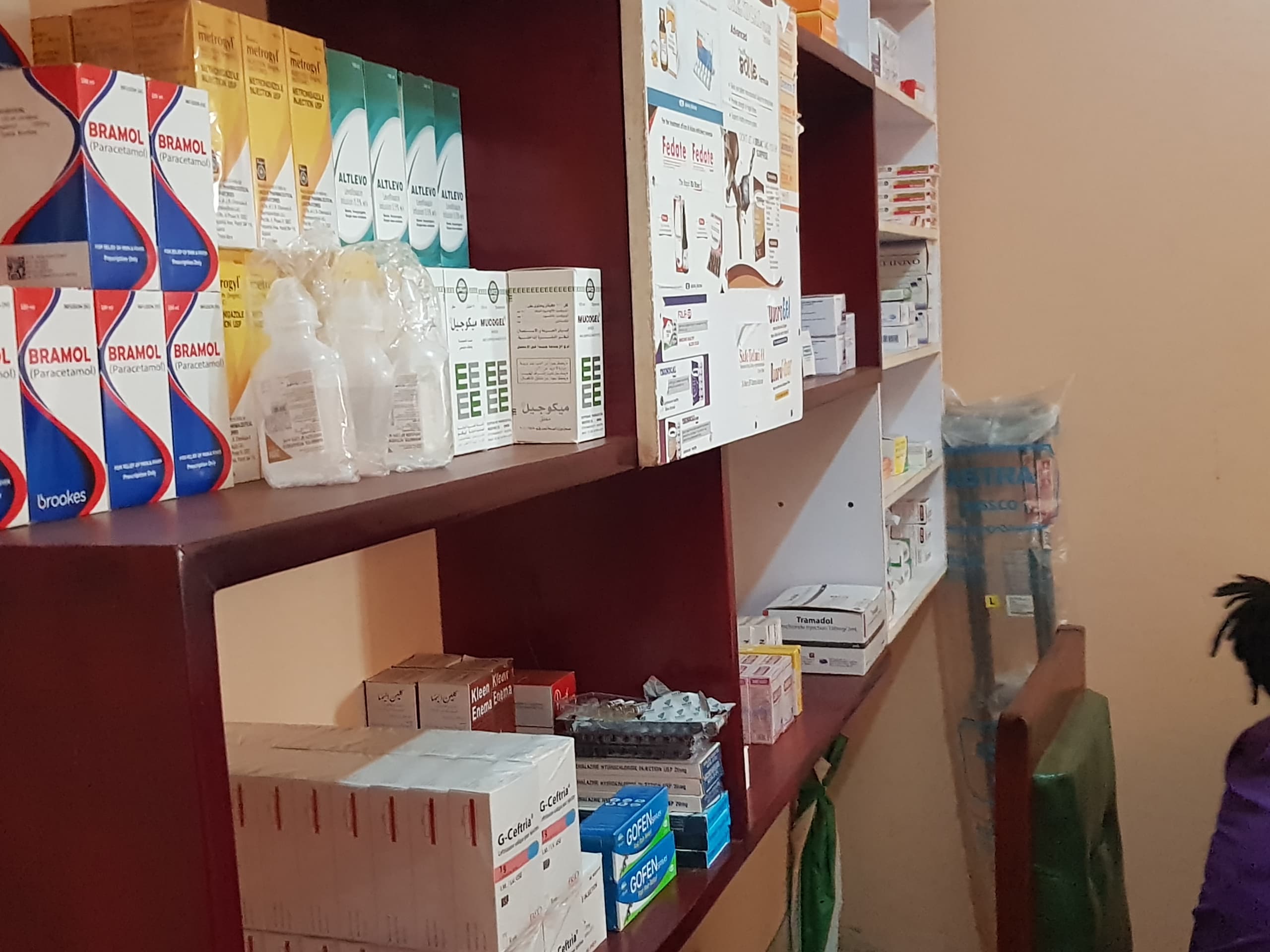
Visit Michoes Today

  • Get immediate help and diagnosis
  • Timely Prescriptions
  • Expert surgical and orthopedic care

Comments

Leave a Reply

Your email address will not be published. Required fields are marked *

  • Understanding Blood Vessels: A Guide to Arteries, Veins, and Capillaries

    Understanding Blood Vessels: A Guide to Arteries, Veins, and Capillaries

    Blood vessels are small tube-like structures that transport blood throughout your body. They come in three types: arteries, veins, and capillaries. Each plays an important role in carrying oxygenated blood away from the heart and delivering it to the body’s tissues. Characteristics of Arteries: ———————— * Carrying oxygenated blood away from the heart * Thick…

  • Michoes Medical Centre – Your Trusted Partner in Heart Health in Eastern Uganda

    Michoes Medical Centre – Your Trusted Partner in Heart Health in Eastern Uganda

    Lorem ipsum dolor sit amet, consectetur adipiscing elit. At Michoes Medical Centre, we understand the importance of heart health in Eastern Uganda. Our team of experienced doctors and medical specialists are committed to providing compassionate and expert care to individuals with heart disease. Our services include diagnosis, treatment, and management of various types of heart…

  • What You Need to Know About Atrial Fibrillation (AFib)

    What You Need to Know About Atrial Fibrillation (AFib)

    Atrial fibrillation, or AFib, is a type of arrhythmia where the heart beats irregularly and too quickly. This can increase your risk for stroke, heart failure, and other complications. If you have AFib, it’s essential to understand what medications to avoid and how to manage your symptoms. NSAIDs like ibuprofen and naproxen are over-the-counter pain…

  • Anion Gap Blood Test: What You Need to Know

    Anion Gap Blood Test: What You Need to Know

    The anion gap blood test measures the balance of acid and base in your blood. It’s a simple test that can help diagnose medical conditions, such as diabetes, kidney disease, and liver disease. During the test, a needle is used to take some blood from a vein in your arm. The blood sample is then…

  • Duodenitis: Symptoms, Causes, and Treatment Options at Michoes Medical Centre

    Duodenitis: Symptoms, Causes, and Treatment Options at Michoes Medical Centre

    Duodenitis is an intestinal condition caused by inflammation in the lining of your duodenum. The duodenum is the first part of your digestive tract that’s responsible for breaking down and digesting your food. Symptoms can include digestive problems such as bloating, gas, and cramping. At Michoes Medical Centre, we provide expert treatment options for duodenitis.…

  • Michoes Medical Centre: Your 24/7 Partner in Healthcare, Eastern Uganda

    Michoes Medical Centre: Your 24/7 Partner in Healthcare, Eastern Uganda

    Michoes Medical Centre is a leading healthcare provider dedicated to delivering high-quality, compassionate care to the people of Kanyum, Kumi, Soroti, Bukedea, Ngora, Katakwi, and all of Eastern Uganda. Our state-of-the-art facility offers a range of services, from primary care to specialty care, ensuring that our patients receive the best possible treatment for their unique…

  • Stem Cells: Understanding Their Potential and Risks

    Stem Cells: Understanding Their Potential and Risks

    Stem cells have the ability to differentiate into various cell types, making them a promising area of research for medical treatments. However, it’s essential to understand their potential benefits and risks. There are two main types of stem cells: embryonic and adult. Embryonic stem cells have the potential to become any type of cell in…

  • Understanding Non-Hodgkin Lymphoma: Causes, Symptoms, and Treatment Options

    Understanding Non-Hodgkin Lymphoma: Causes, Symptoms, and Treatment Options

    Non-Hodgkin lymphoma (NHL) is a type of cancer that affects the immune system. It is characterized by an overgrowth of abnormal white blood cells called lymphocytes, which can accumulate in various parts of the body, including the lymph nodes, spleen, and bone marrow. Causes and Risk Factors While the exact cause of NHL is still…

  • Understanding Leukemia: Causes, Symptoms, and Treatment Options

    Understanding Leukemia: Causes, Symptoms, and Treatment Options

    Leukemia is a type of blood cancer that affects the bone marrow, which makes blood. It’s essential to understand the causes, symptoms, and treatment options for leukemia to ensure timely diagnosis and effective management. Causes of Leukemia The exact cause of leukemia is still unknown, but it’s believed to be related to genetic mutations or…

  • Calcium and Bone Health: What You Need to Know

    Calcium and Bone Health: What You Need to Know

    Calcium is an essential mineral that plays a crucial role in maintaining strong bones, teeth, and cells. In this article, we’ll delve into the world of calcium and bone health, exploring what you need to know to keep your bones strong and healthy. Calcium is abundant in our bodies, with most of it stored in…