Autism Spectrum Disorder (ASD) Diagnosis in Eastern Uganda: Get Expert Care at Michoes Medical Centre

Early diagnosis can make a huge difference in the lives of children with autism spectrum disorder (ASD) and their families. But it’s not always easy to make an ASD diagnosis. There’s no lab test for it, so doctors rely on observing the behaviors of very young children and listening to the concerns of their parents. ASD has a very wide range of symptoms. Some people who are “on the spectrum” have severe mental disabilities. Others are highly intelligent and able to live independently. Wherever your child falls on the spectrum, getting an autism diagnosis is a two-stage process, and it starts with your pediatrician. Pediatricians are the first step in the autism diagnosis process.

Every child gets an assessment at their 18- and 24-month checkups to make sure they’re on track, even if they don’t seem to have any symptoms. At these visits, your child’s pediatrician will watch them and talk to them. They’ll ask you questions about family history (whether anyone in the family is on the spectrum), and about your child’s development and behavior. Here are some milestones your doctor will be looking for:

Your responses are very important in your child’s screening. If everything checks out and you have no concerns, that’s the end of it. But if your child shows developmental problems or your doctor has concerns, they will refer you to a specialist for more tests. If your child needs more tests, your next appointment probably will be with a team of ASD specialists — child psychologist, speech-language pathologist, and occupational therapist. You may also meet with a developmental pediatrician and a neurologist.

This evaluation is usually to check things like your child’s cognitive level, language abilities, and other life skills like eating, dressing themselves, and going to the bathroom. For an official diagnosis, your child must meet the standards of the Diagnostic and Statistical Manual of Mental Disorders (DSM-5), published by the American Psychiatric Association. Your child must have problems with two categories to fall on the autism spectrum.

Early diagnosis and intervention can be key to helping develop skills that will help your child. Your child’s doctors also might recommend genetic testing to rule out any other conditions that could cause these symptoms.

Get Expert Care at Michoes Medical Centre

At Michoes Medical Centre, our team of experienced doctors and specialists are dedicated to providing the best possible care for children with autism spectrum disorder. We have a comprehensive program in place to diagnose and treat ASD, including speech therapy, occupational therapy, and behavioral interventions.

If you suspect that your child may have autism, don’t hesitate to reach out to us. We offer free consultations and assessments, as well as affordable treatment options. Contact us today at +256701364362 or visit our clinic in Kanyum, Kumi District, Eastern Uganda.

Targeted CTA: Book Your Appointment Today

Don’t wait any longer to get the care your child needs. Book your appointment today and take the first step towards a brighter future for your child with autism spectrum disorder. Call us now at +256701364362 or visit our website to schedule an appointment.
Visit Michoes Today

  • Get immediate help and diagnosis
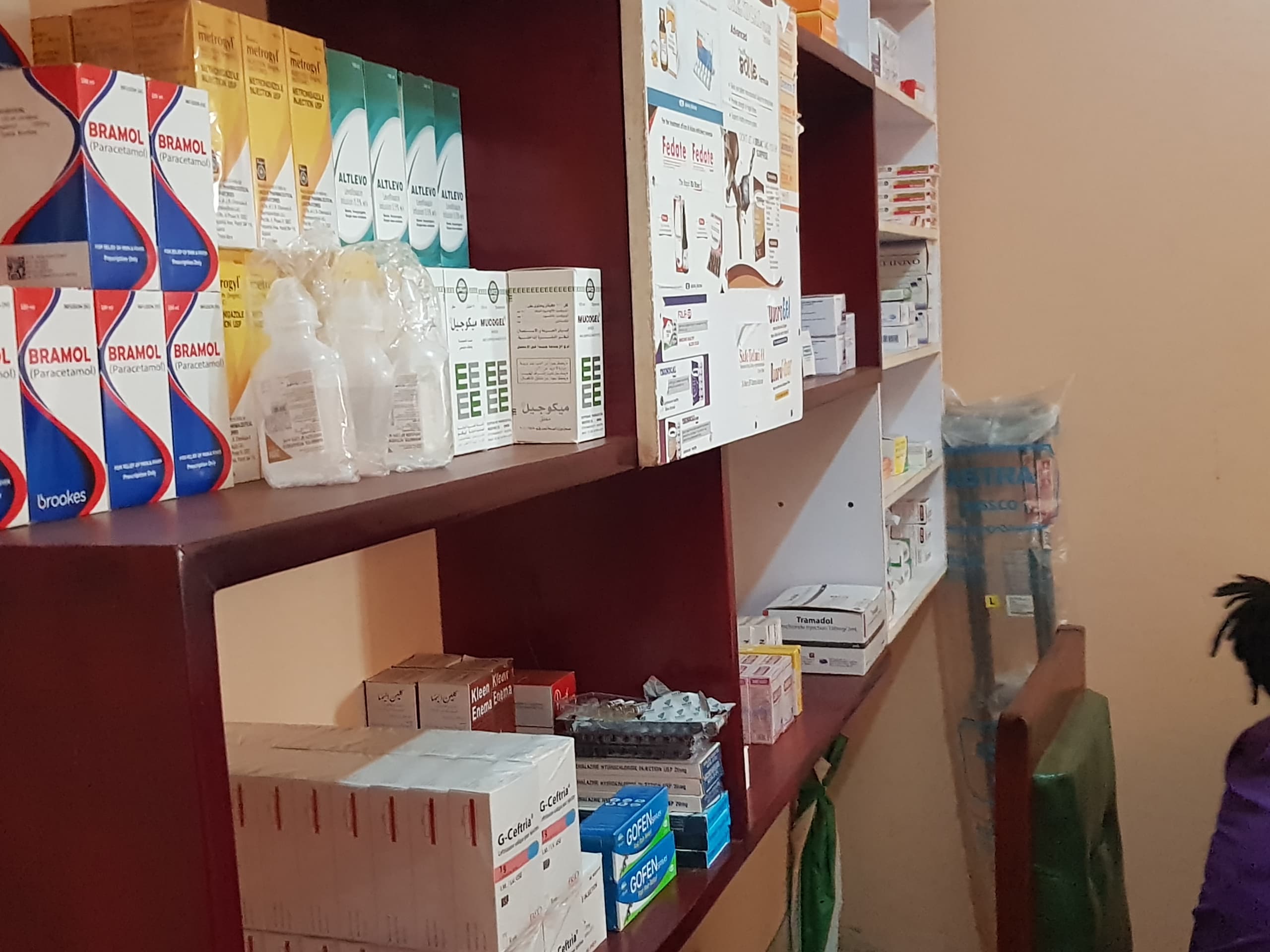
  • Timely Prescriptions
  • Expert surgical and orthopedic care

Comments

Leave a Reply

Your email address will not be published. Required fields are marked *

  • Michoes Medical Centre | Treating Spasticity in Kumi, Kumi District

    Michoes Medical Centre | Treating Spasticity in Kumi, Kumi District

    Spasticity is a condition that affects the muscles and can cause stiffness, spasms, and pain. At Michoes Medical Centre, we offer comprehensive treatment options for spasticity, including physical therapy, medications, surgery, and more. Physical therapy is often the first line of treatment for MS-related spasticity. Our team of therapists will work with you to develop…

  • Understanding Essential Tremor: Symptoms, Causes, and Treatment Options

    Understanding Essential Tremor: Symptoms, Causes, and Treatment Options

    Essential tremor is a common neurological disorder characterized by shaking or trembling of the hands, arms, head, voice, or other body parts. It can be caused by various factors, including genetics, toxins in the environment, stress, fatigue, and certain medications. Causes of Essential Tremor Some of the possible causes of essential tremor include: Genetics: If…

  • Managing Multiple Sclerosis Flares with Michoes Medical Centre

    Managing Multiple Sclerosis Flares with Michoes Medical Centre

    When your multiple sclerosis flares up, steroids can help alleviate symptoms quickly. But how do you know if you’re having an MS flare? Here are some signs: For mild MS flares, your symptoms may slowly get better on their own. However, if symptoms affect your ability to walk, see, or function, your doctor may prescribe…

  • Michoes Medical Centre – Your Trusted Healthcare Partner in Kanyum, Kumi District

    Michoes Medical Centre – Your Trusted Healthcare Partner in Kanyum, Kumi District

    Welcome to Michoes Medical Centre, your premier healthcare provider in Kanyum, Kumi District. We are dedicated to delivering exceptional medical care with a focus on patient safety, comfort, and dignity. Our team of experienced doctors and medical professionals is committed to providing personalized attention and expert diagnosis and treatment for all your health needs. We…

  • Fainting: Causes, Symptoms, and Treatment Options

    Fainting: Causes, Symptoms, and Treatment Options

    Fainting, also known as syncope, is a temporary loss of consciousness caused by a lowered blood flow to the brain. Various conditions can trigger fainting, ranging from mild to serious. Some common causes of fainting include: Heart irregularities Low blood sugar Anemia Nervous system issues that affect blood pressure regulation Fainting can also be triggered…

  • Tingling in Hands and Feet: Causes, Symptoms, and Treatment Options

    Tingling in Hands and Feet: Causes, Symptoms, and Treatment Options

    Tingling in hands and feet can be a symptom of multiple conditions, but the immediate sensation stems from irritation, damage, or compression of a nerve. When should I worry about tingling in my hands? If the tingling in your hands and feet doesn’t go away after a while, you should see your doctor. Tingling in…

  • Understanding Multiple Sclerosis: Causes, Symptoms, and Treatment Options

    Understanding Multiple Sclerosis: Causes, Symptoms, and Treatment Options

    Multiple sclerosis (MS) is a chronic and often disabling autoimmune disease that affects the central nervous system (CNS). In this article, we will explore the causes, symptoms, treatment options, and life expectancy associated with MS. MS occurs when the immune system mistakenly attacks the protective covering of nerve fibers in the CNS, leading to communication…

  • Coping with Chronic Obstructive Pulmonary Disease (COPD)

    Coping with Chronic Obstructive Pulmonary Disease (COPD)

    COPD is a progressive lung disease that makes it difficult to breathe. It’s caused by long-term exposure to irritating gases or particulate matter, most often from cigarette smoke. People with COPD may experience shortness of breath, wheezing, and coughing. In severe cases, COPD can lead to respiratory failure, heart disease, and even death. Stages of…

  • # Michoes Medical Centre – Your Trusted Partner in Healthcare

    # Michoes Medical Centre – Your Trusted Partner in Healthcare

    If you are immunocompromised, it means that your immune system isn’t working properly. This can be caused by inherited conditions or other health conditions. Immunocompromisation is a way to describe a weak immune system. When your immune system is weakened, your body can’t fight off viruses, bacteria, or fungi very well. This can lead to…

  • Intubation: What to Expect

    Intubation: What to Expect

    Intubation is a medical procedure that’s used when you can’t breathe on your own. Your doctor puts a tube down your throat and into your windpipe to make it easier to get air into and out of your lungs. A machine called a ventilator pumps in air with extra oxygen. Then it helps you breathe…