

Atrial Fibrillation: Understanding the Condition and Managing Symptoms

Atrial fibrillation (AFib) is a type of irregular heartbeat that can increase the risk of stroke, heart failure, and other complications. It occurs when the upper chambers of the heart beat rapidly and irregularly, rather than beating in a regular rhythm.

AFib can be caused by a variety of factors, including age, family history, high blood pressure, obesity, sleep apnea, and certain medications. In some cases, the cause of AFib may not be apparent, and it may be referred to as “lone” AFib.

Risk Factors for Atrial Fibrillation

Some people are more likely to develop AFib due to their individual risk factors. These include:

  • Age: The risk of AFib increases with age, especially after the age of 65.
  • Family history: If you have a family history of AFib or other heart conditions, you may be more likely to develop AFib yourself.
  • High blood pressure: High blood pressure can increase the risk of AFib by putting extra strain on the heart.
  • Obesity: Being overweight or obese can increase the risk of AFib by adding extra strain on the heart.
  • Sleep apnea: Sleep apnea is a condition in which you stop breathing for short periods during sleep, and it can increase the risk of AFib.
  • Certain medications: Certain medications, such as antibiotics and antidepressants, can increase the risk of AFib by affecting heart rhythm.

Managing Symptoms and Treatment Options

If you have been diagnosed with AFib, there are several steps you can take to manage your symptoms and reduce your risk of complications:

  • Maintain a healthy lifestyle: Regular exercise, a balanced diet, and stress management techniques can help reduce the risk of AFib and other heart conditions.
  • Monitor your heart rate: Keeping track of your heart rate and rhythm can help you identify any irregularities or changes that may indicate AFib.
  • Avoid triggers: Avoiding triggers such as caffeine, nicotine, and certain medications can help reduce the risk of AFib episodes.
  • Seek medical attention: If you experience symptoms of AFib, such as palpitations, shortness of breath, or dizziness, seek medical attention promptly.

Consult with your doctor to discuss the best treatment options for your specific condition and to develop a personalized plan for managing your symptoms and reducing your risk of complications.

Learn more about atrial fibrillation and how to manage its symptoms by visiting Michoe’s Medical Centre or scheduling an appointment with one of our cardiologists today!
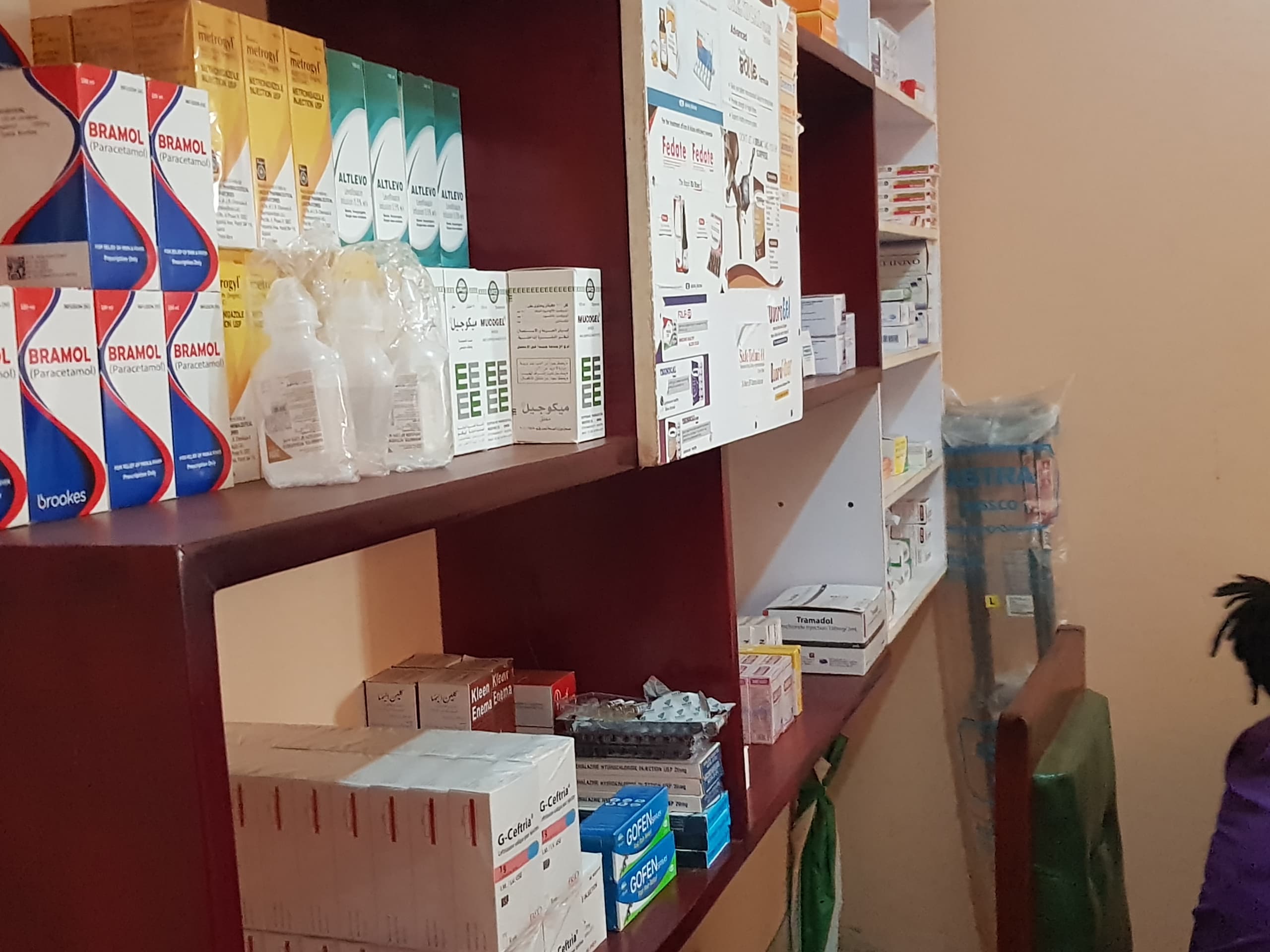
Visit Michoes Today

  • Get immediate help and diagnosis
  • Timely Prescriptions
  • Expert surgical and orthopedic care

Comments

Leave a Reply

Your email address will not be published. Required fields are marked *

  • Michoes Medical Centre: Floating Poop – Causes, Symptoms, and Treatment

    Michoes Medical Centre: Floating Poop – Causes, Symptoms, and Treatment

    When stools float, it means the poop stays on the surface of the toilet water instead of sinking. Normally, poop sinks to the bottom of the toilet bowl. Floating poop doesn’t mean you’re sick, but it can be a symptom of various conditions. There are several reasons why poop floats and never seems to sink.…

  • Rhomboid Muscle Pain: Causes, Symptoms, and Treatment

    Rhomboid Muscle Pain: Causes, Symptoms, and Treatment

    Rhomboid muscle pain is a common condition that affects the muscles between the shoulder blades. It can be caused by poor posture, overuse, or repetitive movements. In this article, we will discuss the causes, symptoms, and treatment options for rhomboid muscle pain. Causes of Rhomboid Muscle Pain Rhomboid muscle pain is often caused by: Poor…

  • Psoriasis: Effective Treatment and Natural Remedies

    Psoriasis: Effective Treatment and Natural Remedies

    Psoriasis is a chronic skin condition that affects millions of people worldwide. It can cause red, scaly patches on the skin, as well as joint pain and swelling. While there are many treatment options available, some people may prefer natural remedies to manage their symptoms. In this article, we will discuss the causes and triggers…

  • Crohn’s Disease: Causes, Symptoms, Treatment and Life Expectancy

    Crohn’s Disease: Causes, Symptoms, Treatment and Life Expectancy

    Crohn’s disease is a type of inflammatory bowel disease (IBD) that can affect any part of the gastrointestinal tract. It causes chronic inflammation and irritation in the digestive tract, leading to symptoms such as abdominal pain, diarrhea, weight loss, and fatigue. Symptoms of Crohn’s Disease: Abdominal pain and cramping Diarrhea (often bloody) Weight loss Fatigue…

  • Coronary Artery Disease: Understanding the Symptoms, Risk Factors, and Treatment Options

    Coronary Artery Disease: Understanding the Symptoms, Risk Factors, and Treatment Options

    Coronary artery disease (CAD) is a condition where the coronary arteries become narrowed or blocked due to atherosclerosis, leading to reduced blood flow to the heart. This can cause symptoms such as chest pain, shortness of breath, and fatigue. Risk Factors Some of the major risk factors for CAD include: High cholesterol levels High blood…

  • Michoes Medical Centre: Your Trusted Partner in Heart Health

    Michoes Medical Centre: Your Trusted Partner in Heart Health

    At Michoes Medical Centre, we understand the importance of heart health and provide expert medical care to individuals in Kanyum, Kumi District, Eastern Uganda. Our team of experienced doctors and healthcare professionals is dedicated to helping you prevent, diagnose, and treat various cardiovascular conditions. Our services include: Echocardiograms Heart rate variability testing Cardiac troponin tests…

  • Psoriatic Arthritis: Causes, Symptoms, and Treatment Options

    Psoriatic Arthritis: Causes, Symptoms, and Treatment Options

    Pssiatic arthritis is a type of inflammatory arthritis that affects as many as 30% of people with psoriasis – a common skin condition. Learn how biologic medications (drugs) treat conditions like psoriatic arthritis and Crohn’s disease, along with potential side effects. Discover tips for managing these side effects. Psoriatic arthritis can zap your energy, leaving…

  • Vasculitis: Causes, Symptoms, Treatment, and Lifestyle Management

    Vasculitis: Causes, Symptoms, Treatment, and Lifestyle Management

    Vasculitis is a medical condition characterized by inflammation of the blood vessels. It can affect anyone, but some types are more common in certain age groups. There’s no test specifically for vasculitis, but your doctor will ask about your medical history and do a physical exam to determine what’s causing your symptoms. Symptoms related to…

  • Heart Healthy Eating: How to Reduce Your Risk of Heart Disease

    Heart Healthy Eating: How to Reduce Your Risk of Heart Disease

    Following a heart-healthy diet can help lower your risk of heart disease, high blood pressure, and stroke. Here are some tips to get you started: Avoid foods that are high in saturated fat, trans fat, cholesterol, and sodium. Choose lean protein sources like poultry, fish, and plant-based options instead of red meat. Reduce Your Intake…

  • Michoes Medical Centre – Your Trusted Partner for Heart Health in Kanyum, Kumi

    Michoes Medical Centre – Your Trusted Partner for Heart Health in Kanyum, Kumi

    At Michoes Medical Centre, we understand the importance of a healthy heart. Our team of experienced cardiologists and healthcare professionals are dedicated to providing you with the best possible care for your cardiovascular needs. With our state-of-the-art facilities and latest medical technology, we can diagnose and treat a range of heart conditions, from high blood…