Atrial Fibrillation: Understanding the Condition and Managing Symptoms

Atrial fibrillation (AFib) is a type of irregular heartbeat that can increase the risk of stroke, heart failure, and other complications. It occurs when the upper chambers of the heart beat rapidly and irregularly, rather than beating in a regular rhythm.

AFib can be caused by a variety of factors, including age, family history, high blood pressure, obesity, sleep apnea, and certain medications. In some cases, the cause of AFib may not be apparent, and it may be referred to as “lone” AFib.

Risk Factors for Atrial Fibrillation

Some people are more likely to develop AFib due to their individual risk factors. These include:

  • Age: The risk of AFib increases with age, especially after the age of 65.
  • Family history: If you have a family history of AFib or other heart conditions, you may be more likely to develop AFib yourself.
  • High blood pressure: High blood pressure can increase the risk of AFib by putting extra strain on the heart.
  • Obesity: Being overweight or obese can increase the risk of AFib by adding extra strain on the heart.
  • Sleep apnea: Sleep apnea is a condition in which you stop breathing for short periods during sleep, and it can increase the risk of AFib.
  • Certain medications: Certain medications, such as antibiotics and antidepressants, can increase the risk of AFib by affecting heart rhythm.

Managing Symptoms and Treatment Options

If you have been diagnosed with AFib, there are several steps you can take to manage your symptoms and reduce your risk of complications:

  • Maintain a healthy lifestyle: Regular exercise, a balanced diet, and stress management techniques can help reduce the risk of AFib and other heart conditions.
  • Monitor your heart rate: Keeping track of your heart rate and rhythm can help you identify any irregularities or changes that may indicate AFib.
  • Avoid triggers: Avoiding triggers such as caffeine, nicotine, and certain medications can help reduce the risk of AFib episodes.
  • Seek medical attention: If you experience symptoms of AFib, such as palpitations, shortness of breath, or dizziness, seek medical attention promptly.

Consult with your doctor to discuss the best treatment options for your specific condition and to develop a personalized plan for managing your symptoms and reducing your risk of complications.

Learn more about atrial fibrillation and how to manage its symptoms by visiting Michoe’s Medical Centre or scheduling an appointment with one of our cardiologists today!
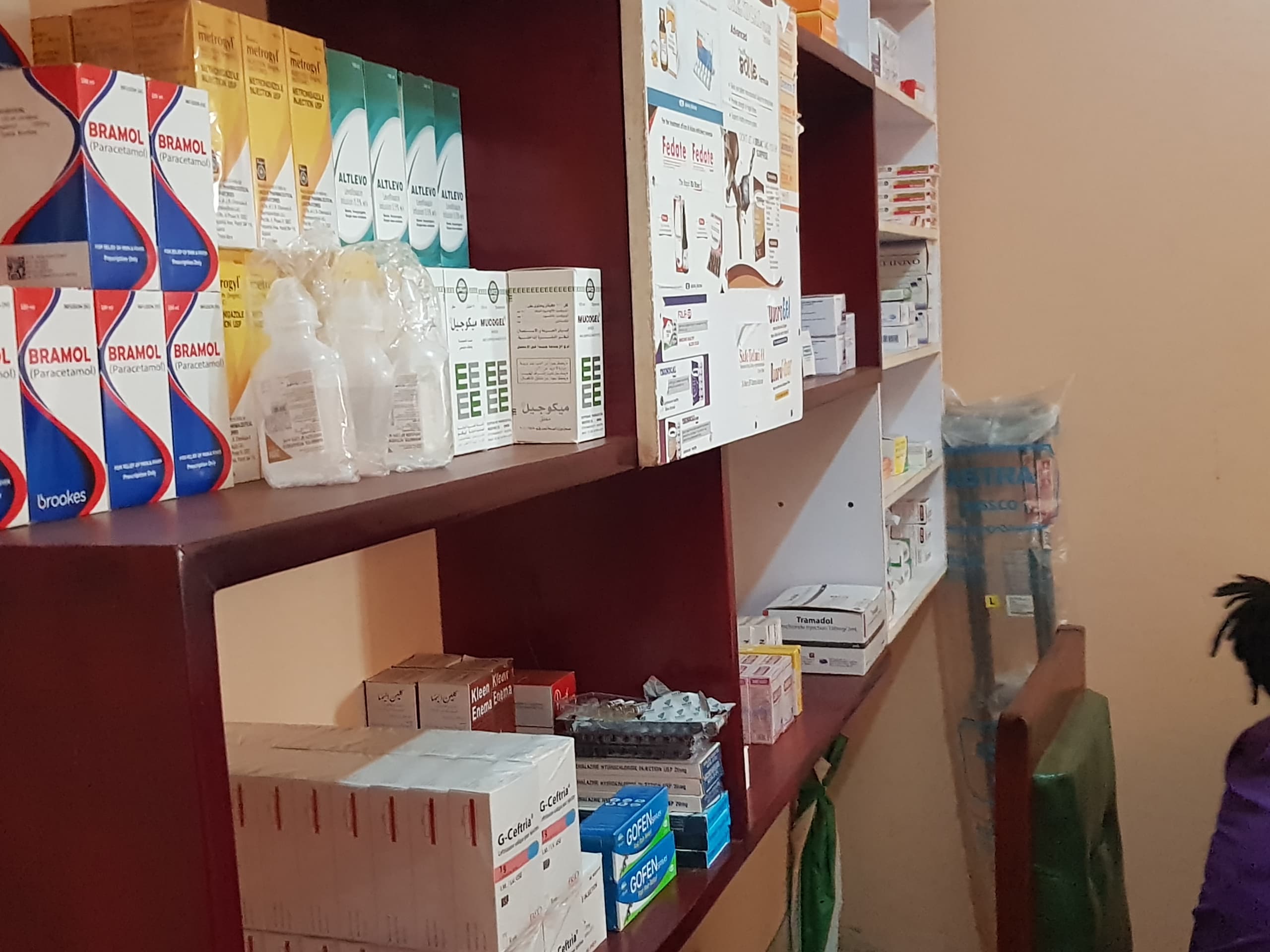
Visit Michoes Today

  • Get immediate help and diagnosis
  • Timely Prescriptions
  • Expert surgical and orthopedic care

Comments

Leave a Reply

Your email address will not be published. Required fields are marked *

  • Atrial Fibrillation: Treatment and Management by Michoes Medical Centre

    Atrial Fibrillation: Treatment and Management by Michoes Medical Centre

    Atrial fibrillation (AFib) is a type of irregular heartbeat that can be life-threatening if left untreated. At Michoes Medical Centre, our team of experienced cardiologists and orthopedic surgeons work together to provide comprehensive care for AFib patients. Our approach to treatment is personalized and evidence-based, taking into account each patient’s unique medical history, lifestyle, and…

  • Atrial Fibrillation in Eastern Uganda: What You Need to Know

    Atrial Fibrillation in Eastern Uganda: What You Need to Know

    Michoes Medical Centre, located in Kanyum, Kumi District, Eastern Uganda, is a 24/7 private medical centre that provides advanced, compassionate, and patient-first healthcare. Our team of specialists is dedicated to treating atrial fibrillation (AFib), a common heart rhythm problem. What Causes Atrial Fibrillation in Eastern Uganda? AFib may be caused by various factors, including type…

  • # Michoes Medical Centre: Your Trusted Partner in Heart Health

    # Michoes Medical Centre: Your Trusted Partner in Heart Health

    At Michoes Medical Centre, we understand the importance of timely and effective treatment for heart-related conditions. Our team of experienced doctors and specialists are committed to providing you with the best possible care, tailored to your unique needs. Our state-of-the-art facility is equipped with the latest medical technology, ensuring that you receive the highest quality…

  • Michoes Medical Centre – Advanced Healthcare in Eastern Uganda

    Michoes Medical Centre – Advanced Healthcare in Eastern Uganda

    At Michoes Medical Centre, we are committed to providing high-quality, compassionate care to the people of Kanyum, Kumi, Soroti, and beyond. As your neighbour and family doctor, we understand the unique health challenges faced by our community. For heart-related issues, we offer a range of services, including cardiac perfusion tests, which help determine whether you…

  • Headaches in Kanyum, Kumi: Symptoms, Causes, and Treatment Options

    Headaches in Kanyum, Kumi: Symptoms, Causes, and Treatment Options

    Migraines, tension headaches, and other types of headaches can be a real nuisance. At Michoes Medical Centre, our team of experienced doctors and healthcare professionals are here to help you understand your symptoms, diagnose the cause, and provide effective treatment options. What Causes Headaches in Eastern Uganda? Migraines and tension headaches are two of the…

  • # Chickenpox: What You Need to Know

    # Chickenpox: What You Need to Know

    **What is chickenpox?** Chickenpox, also known as varicella, is a highly contagious illness caused by the varicella-zoster virus. It’s most common in children and can lead to complications if not treated properly. ## Symptoms of Chickenpox The symptoms of chickenpox include: – A red, itchy rash that appears on the skin – Fever – Headache…

  • Doppler Ultrasound at Michoes Medical Centre: Quick and Painless Testing for DVT and Other Blood Flow Issues

    Doppler Ultrasound at Michoes Medical Centre: Quick and Painless Testing for DVT and Other Blood Flow Issues

    At Michoes Medical Centre, we offer a range of diagnostic tests to help you understand what’s going on in your body. One such test is Doppler ultrasound, which can help detect blood clots and other issues with blood flow in your legs. Doppler ultrasound uses sound waves to create images of your internal organs and…

  • Vascular Disease: Understanding the Risks and Treatment Options

    Vascular Disease: Understanding the Risks and Treatment Options

    Vascular disease is any condition that affects the network of your blood vessels. This network is known as your vascular or circulatory system. “Vascular” comes from a Latin word for hollow container. If your entire network of blood vessels were stretched end-to-end, they could circle the Earth multiple times. Some of these vessels move blood.…

  • Preventing Blood Clots: Know the Risks and Treatment Options in Eastern Uganda

    Preventing Blood Clots: Know the Risks and Treatment Options in Eastern Uganda

    Michoes Medical Centre is your trusted partner for 24/7 medical care in Kanyum, Kumi. Did you know that deep vein thrombosis (DVT) affects about 350,000 Americans each year? In Eastern Uganda, it’s essential to be aware of the risks and take preventive measures. A DVT is a blood clot that forms deep in your veins,…

  • High Cholesterol: Natural Remedies and Lifestyle Changes

    High Cholesterol: Natural Remedies and Lifestyle Changes

    High cholesterol can be a silent killer, increasing the risk of heart disease and stroke. However, with the right natural remedies and lifestyle changes, you can lower your cholesterol levels and improve your overall health. Here are some foods that can help lower cholesterol: fruits like apples, citrus fruits, lentils, and beans; nuts like almonds,…