

Antibiotics: What You Need to Know

Antibiotics are medicines that help stop infections caused by bacteria. They do this by killing the bacteria or by keeping them from copying themselves or reproducing. The word antibiotic means “against life.” Any drug that kills germs in your body is technically an antibiotic, but most people use the term when they’re talking about medicine that kills bacteria.

History of Antibiotics

Scientists introduced the first antibiotic, salvarsan, in the early 1900s. Since then, antibiotics have changed medicine and added about 23 years to the average human lifespan. Penicillin’s discovery in 1928 marked the start of a golden era in finding natural antibiotics, peaking in the 1950s.

How Antibiotics Work

Antibiotics are made in nature by soil bacteria and fungi, which are then fermented on an industrial scale for mass production. You can take antibiotics in a few ways, including: Antibiotic pills These can be tablets or capsules, and you’ll take them to treat a mild or moderate infection. Antibiotic injections This is when you get a shot directly into your blood or muscle. You may need it for a serious infection. Antibiotic topicals You put these antibiotics on your skin as a cream, lotion, spray, or drops.

Types of Antibiotics

Doctors classify antibiotics into six groups: Penicillins. You’ll take penicillin to treat a range of infections, including those of the skin, chest, and urinary tract. Cephalosporins. These treat more serious infections such as meningitis. Aminoglycosides. You’ll probably only take these antibiotics in the hospital to treat a serious illness. Tetracyclines. You’ll use these medicines for acne and rosacea Macrolides. Your doctor may prescribe a macrolide as a substitute for penicillin to treat a lung or chest infection. Fluoroquinolones. Doctors use these to treat different types of infections.

When to Take Antibiotics

You should only take antibiotics when necessary and follow your doctor’s instructions carefully. Using antibiotics too much or when they’re not needed can make bacteria resistant to them, making infections more challenging to treat. Antibiotics help fight bacterial infections by killing bacteria or stopping them from multiplying.

Side Effects of Antibiotics

Common side effects include: Occasionally, you may have other symptoms, like: These symptoms can mean you’re allergic to your antibiotic, so if you have them, let your doctor know right away. How long does nausea from antibiotics last? You may feel sick to your stomach for the entire course of your treatment.

Preventing Antibiotic Resistance

Bacteria adapt over time and become “super bacteria” or “superbugs.” They change so that antibiotics no longer work on them. They pose a big threat because there aren’t any medicines to kill them. The best way to help slow the spread of super bacteria is by being smart with antibiotics.

Get Tested, Get Treated

Don’t wait – get tested and treated for bacterial infections today! Call us at +256 772 530 434 or visit our clinic in Kumi, Uganda to schedule an appointment. Our medical team is here to help you feel better.

Learn more about antibiotic safety and how to use antibiotics properly by visiting www.michoesmedicalcentre.com. Follow us on social media for the latest updates on healthcare and wellness in Uganda!
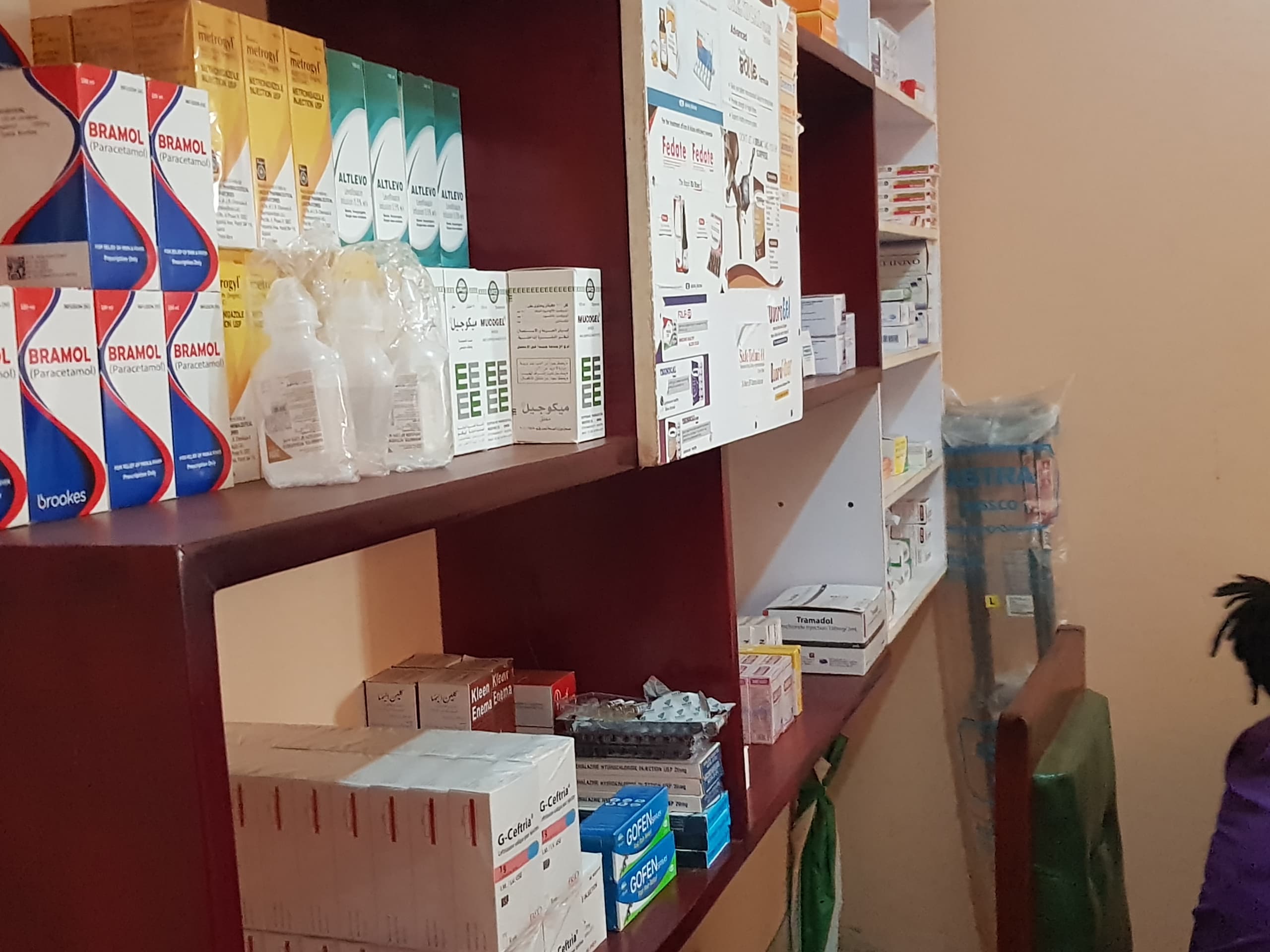
Visit Michoes Today

  • Get immediate help and diagnosis
  • Timely Prescriptions
  • Expert surgical and orthopedic care

Comments

Leave a Reply

Your email address will not be published. Required fields are marked *

  • Atrial Fibrillation: Understanding the Condition and Managing Symptoms

    Atrial Fibrillation: Understanding the Condition and Managing Symptoms

    Atrial fibrillation (AFib) is a type of irregular heartbeat that can increase the risk of stroke, heart failure, and other complications. It occurs when the upper chambers of the heart beat rapidly and irregularly, rather than beating in a regular rhythm. AFib can be caused by a variety of factors, including age, family history, high…

  • Atrial Fibrillation: Causes, Symptoms, and Treatment Options

    Atrial Fibrillation: Causes, Symptoms, and Treatment Options

    Atrial fibrillation (AFib) is a type of irregular heartbeat that can be caused by various factors. It’s essential to understand the causes, symptoms, and treatment options for this condition to take control of your heart health. Causes of Atrial Fibrillation: Age: AFib risk increases with age, especially after 65 years old. Cardiovascular disease: Conditions like…

  • Atrial Fibrillation: Treatment and Management at Michoes Medical Centre

    Atrial Fibrillation: Treatment and Management at Michoes Medical Centre

    Welcome to Michoes Medical Centre, your trusted partner in managing atrial fibrillation. Our team of experienced cardiologists and orthopedic specialists is dedicated to providing you with the best possible care for this condition. Understanding Atrial Fibrillation Atrial fibrillation (AFib) is a type of irregular heartbeat, or arrhythmia, that affects millions of people worldwide. It occurs…

  • Gallstones: Symptoms, Diagnosis and Treatment

    Gallstones: Symptoms, Diagnosis and Treatment

    Gallstones are small, hard deposits that form in the gallbladder, a small organ located under the liver. They can cause symptoms such as abdominal pain, nausea, and vomiting. In most cases, gallstones do not cause any health problems and may pass on their own. However, in some cases, they can block the bile ducts and…

  • Michoes Medical Centre: Your Trusted Partner for Quality Healthcare in Kanyum, Kumi District, Eastern Uganda

    Michoes Medical Centre: Your Trusted Partner for Quality Healthcare in Kanyum, Kumi District, Eastern Uganda

    Welcome to Michoes Medical Centre, your premier healthcare provider in Kanyum, Kumi District, and beyond. Our state-of-the-art facility is equipped with the latest medical technology and staffed by highly skilled doctors and nurses who are dedicated to providing you with exceptional care. At Michoes Medical Centre, we understand the importance of timely and effective medical…

  • Michoes Medical Centre: Your Trusted Partner in Health and Wellness

    Michoes Medical Centre: Your Trusted Partner in Health and Wellness

    Kumi, Uganda – Michoes Medical Centre is a leading healthcare provider in Kumi District, offering a wide range of medical services to residents. Our state-of-the-art facility is equipped with modern technology and staffed by experienced doctors and nurses who are dedicated to delivering high-quality patient care. Our hospital offers various specialized departments, including orthopedics, general…

  • Managing Immune Thrombocytopenia (ITP) in Uganda

    Managing Immune Thrombocytopenia (ITP) in Uganda

    Immune thrombocytopenia (ITP) is a rare blood disorder where the immune system mistakenly attacks and destroys platelets, leading to low levels of platelets in the blood. In Uganda, ITP can cause bruising, bleeding, and fatigue. According to Dr. [Name], a hematologist at [Hospital Name] in Kampala, Uganda, “ITP is often misdiagnosed or underdiagnosed in Uganda…

  • # Morning After Pill: What You Need to Know

    # Morning After Pill: What You Need to Know

    The morning after pill, also known as emergency contraception, is a type of birth control used to prevent pregnancy after unprotected sex. It’s essential to understand the different types, how they work, and when to take them. What are Emergency Contraception Pills? Emergency contraception pills are designed to be taken after unprotected sex to prevent…

  • Michoes Medical Centre: Your 24/7 Healthcare Partner in Eastern Uganda

    Michoes Medical Centre: Your 24/7 Healthcare Partner in Eastern Uganda

    In the heart of Eastern Uganda, Michoes Medical Centre is dedicated to providing high-quality, compassionate care to patients across Kanyum, Kumi, Soroti, and beyond. As a 24/7 private medical centre, we are committed to delivering exceptional healthcare services that cater to your unique needs. Blood Cancer Diagnosis and Treatment Michoes Medical Centre is equipped with…

  • B-cell Acute Lymphoblastic Leukemia (ALL): Understanding the Treatment Options

    B-cell Acute Lymphoblastic Leukemia (ALL): Understanding the Treatment Options

    B-cell acute lymphoblastic leukemia (ALL) is a type of blood cancer that affects the bone marrow, which makes blood. It’s characterized by an overproduction of immature white blood cells called lymphoblasts. The symptoms can vary depending on the stage and severity of the disease. Symptoms: The symptoms of B-cell ALL may include: fatigue, weakness, pale…