Allergic Asthma and Allergies: What You Need to Know

When you have asthma (allergic or nonallergic), it usually gets worse after you exercise in cold air or breathe smoke, dust, or fumes. Sometimes even a strong smell can set it off. Allergens are everywhere. If you have allergic asthma, know what triggers your body to react and learn how to prevent an attack.

Your immune system’s job is to protect you from external invaders, such as bacteria and viruses. If you have allergies, part of your immune system works too hard. It may attack harmless substances such as cat dander or pollen in your nose, lungs, eyes, and under your skin. When your body is exposed to an allergen, it makes chemicals called immunoglobulin E (IgE) antibodies. They cause the release of chemicals like histamine, which cause swelling and inflammation as your body tries to remove the allergen.

This creates an allergic reaction with familiar allergy symptoms such as a runny nose, itchy eyes, and sneezing. If you have allergic asthma, your airways are extra sensitive to certain allergens. Once they get into your body, your immune system overreacts. The muscles around your airways tighten. The airways become inflamed and flooded with thick mucus.

Whether you have allergic asthma or nonallergic asthma, the symptoms are generally the same. You’re likely to: With allergic asthma, in addition to the asthma symptoms, you’ll also have allergy symptoms. Those include:

Allergens

Foods that may cause an allergic reaction in people with allergies include peanuts, tree nuts, fish, shellfish, milk, eggs, wheat, and soy. Some foods may be more likely to trigger an allergic reaction than others.

Some people with allergies may find that their symptoms are triggered by the smell of certain foods. For example, some people with a food allergy to nuts may react when they smell peanut butter or other nut-based products.

Symptoms

The symptoms of allergic asthma can vary depending on the specific allergen that triggers the reaction. Common symptoms include:

– Wheezing or difficulty breathing

– Coughing or chest tightness

– Runny nose, red eyes, and congestion

– Itchy skin, hives, or eczema

It’s essential to identify the specific allergen that triggers your allergic asthma symptoms and take steps to avoid it.

Treatment Options

The good news is that there are many effective treatment options available for people with allergic asthma. These may include:

– Medications such as inhalers, oral steroids, and antihistamines

– Immunotherapy or allergy shots

– Lifestyle changes such as avoiding triggers, exercising regularly, and maintaining a healthy weight

By working with your healthcare provider and making some simple lifestyle changes, you can effectively manage your allergic asthma symptoms and improve your quality of life.
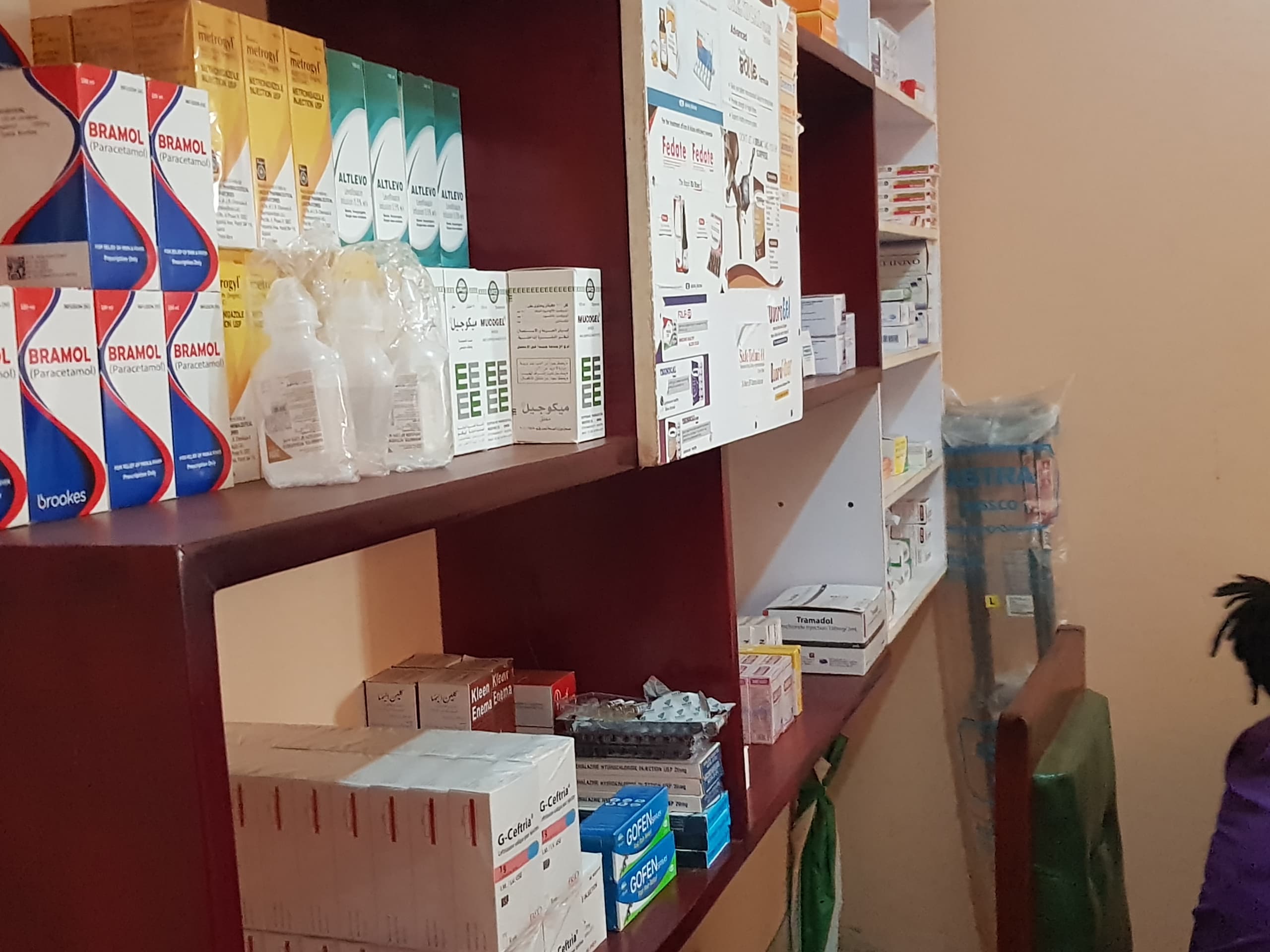
Visit Michoes Today

  • Get immediate help and diagnosis
  • Timely Prescriptions
  • Expert surgical and orthopedic care

Comments

Leave a Reply

Your email address will not be published. Required fields are marked *

  • DVT: Causes, Symptoms, and Prevention

    DVT: Causes, Symptoms, and Prevention

    Deep Vein Thrombosis (DVT) is a blood clot that forms in the deep veins of the body, most commonly in the legs. It can be life-threatening if it breaks loose and travels to the lungs, causing a pulmonary embolism. In this article, we will discuss the causes, symptoms, and prevention strategies for DVT. DVT is…

  • Deep Vein Thrombosis (DVT) Risk Higher for Black People: Know Your Symptoms and Prevention Tips

    Deep Vein Thrombosis (DVT) Risk Higher for Black People: Know Your Symptoms and Prevention Tips

    Black people are at a higher risk of developing deep vein thrombosis (DVT), also known as blood clots, compared to people of other races. According to studies, Black Americans have 30% to 60% higher rates of DVT than white people. A DVT can be life-threatening if it breaks loose and travels to the lungs, causing…

  • Leg Swelling: Causes, Symptoms, and Treatment Options

    Leg Swelling: Causes, Symptoms, and Treatment Options

    Leg swelling can be a common and frustrating condition that affects millions of people worldwide. It is characterized by the accumulation of fluid in the legs, which can lead to discomfort, pain, and even serious health complications if left untreated. In this article, we will explore the causes of leg swelling, its symptoms, treatment options,…

  • DVT Treatment and Prevention at Michoes Medical Centre

    DVT Treatment and Prevention at Michoes Medical Centre

    At Michoes Medical Centre, we understand the importance of prompt treatment for Deep Vein Thrombosis (DVT) to prevent complications. Our team of experienced doctors and medical professionals are committed to providing safe and effective treatment options. Deep Vein Thrombosis is a serious condition that occurs when a blood clot forms in a deep vein, usually…

  • Deep Vein Thrombosis (DVT) Risk Factors and Prevention: Know Your Symptoms

    Deep Vein Thrombosis (DVT) Risk Factors and Prevention: Know Your Symptoms

    As a woman living in Kanyum, Kumi, Soroti, or surrounding areas of Eastern Uganda, it’s essential to understand the risks of Deep Vein Thrombosis (DVT), a condition that can be life-threatening if left untreated. At Michoes Medical Centre, our dedicated team is committed to providing you with accurate information and expert care to prevent DVT…

  • # Deep Vein Thrombosis (DVT)

    # Deep Vein Thrombosis (DVT)

    Deep vein thrombosis, also known as DVT, is a condition where a blood clot forms in the deep veins of the body. This can be life-threatening if it breaks off and travels to the lungs, causing a pulmonary embolism. ## Symptoms Symptoms of DVT may include: * Swelling in one leg * Pain or tenderness…

  • Faster Heartbeat: What Causes It and What to Do?

    Faster Heartbeat: What Causes It and What to Do?

    A faster heartbeat, also known as tachycardia, can be caused by various factors. Understanding the causes of this condition is essential to prevent a medical emergency. Tachycardia can be caused by many medications, including antibiotics, antidepressants, and even certain supplements. Types of Tachycardia Postural Orthostatic Tachycardia Syndrome (POTS) is a circulatory disorder that can make…

  • Michoes Medical Centre – Your Partner in Healthcare for Kanyum, Kumi District, Eastern Uganda

    Michoes Medical Centre – Your Partner in Healthcare for Kanyum, Kumi District, Eastern Uganda

    Welcome to Michoes Medical Centre, your trusted healthcare partner in Kanyum, Kumi District, and surrounding areas of Eastern Uganda. We are dedicated to providing quality medical care with a focus on patient-centered services. Our experienced team of doctors and medical professionals is committed to delivering exceptional care that meets the unique needs of our patients.…

  • Michoes Medical Centre: Your 24/7 Health Partner in Kanyum, Kumi District

    Michoes Medical Centre: Your 24/7 Health Partner in Kanyum, Kumi District

    Welcome to Michoes Medical Centre, your trusted healthcare partner in Kanyum, Kumi District. We are a state-of-the-art, 24/7 medical centre dedicated to providing compassionate and patient-first care to our community. Located in the heart of Kanyum, we offer a wide range of services tailored to meet the unique needs of our patients. From primary care…

  • Endoscopy: Understanding the Procedure and Risks

    Endoscopy: Understanding the Procedure and Risks

    Endoscopy is a medical procedure that uses a long, thin tube with a light and camera attached to diagnose and treat conditions in the digestive tract. The procedure can be performed in various parts of the digestive system, including the esophagus, stomach, small intestine, and colon. During an endoscopy, the doctor will insert the scope…