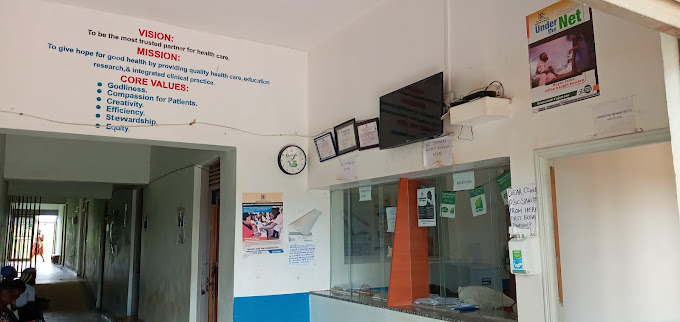
Malaria Testing in Kumi, Soroti & Eastern Uganda – Rapid Test and Microscopy at Michoes Medical Centre
Malaria is the leading cause of illness and death in Eastern Uganda, including Kumi, Soroti, Bukedea, Ngora, Katakwi, Amuria, Kaberamaido, and Pallisa districts. At Michoes Medical Centre in Kanyum, Okello John Bosco (Senior Laboratory Technician) leads our malaria testing services. We offer two types of malaria tests: Rapid Diagnostic Test (RDT) and Microscopy. Both are available 24 hours a day, 7 days a week. Results are ready within 30 minutes for RDT and 1-2 hours for microscopy. Accurate malaria testing saves lives – do not guess, come test.
Why Malaria Testing Is Essential
Malaria symptoms (fever, chills, headache, body aches, vomiting) are not specific. Many other illnesses – typhoid, flu, COVID-19, urinary tract infection – cause the same symptoms. Treating malaria without a test leads to: wasted money on unnecessary medication, delayed diagnosis of the real illness (which could be deadly), increased drug resistance (malaria parasites learn to survive the drugs), and side effects from unnecessary drugs. The Uganda Ministry of Health recommends testing every suspected malaria case before treatment. At Michoes, we follow this guideline strictly. No test, no treatment – except for severe cases where the patient is critically ill.
Rapid Diagnostic Test (RDT) for Malaria
The RDT is a finger prick test that detects malaria parasite antigens (proteins) in your blood. How it works: A small drop of blood from your finger is placed on a test cassette. Buffer solution is added. You wait 15-20 minutes. The test shows lines: one line (control only) = negative. Two lines = positive for malaria. Some RDTs can distinguish between Plasmodium falciparum (the deadly species common in Uganda) and other species (P. vivax, P. ovale, P. malariae). Advantages of RDT: results in 15-30 minutes, no electricity or microscope needed, easy to perform, low cost. Disadvantages: cannot measure parasite density (how many parasites), less sensitive than microscopy (may miss low-level infections), cannot detect non-falciparum species if using basic RDT, cannot monitor treatment response. RDT is excellent for initial diagnosis, especially at night or when microscopy is not available. At Michoes, we use WHO-approved RDTs (SD Bioline, CareStart).
Microscopy for Malaria – The Gold Standard
Microscopy is the gold standard for malaria diagnosis. How it works: A drop of blood is placed on a glass slide, spread thin (thin smear) or thick (thick smear), stained with special dyes (Giemsa or Field stain), and examined under a microscope by Okello John Bosco. The thick smear concentrates blood cells, making it easier to find parasites. The thin smear allows species identification and parasite counting. Advantages of microscopy: highly sensitive (can detect as few as 5-10 parasites per microliter), quantifies parasite density (important for severe malaria and monitoring treatment), identifies species (P. falciparum vs others), allows malaria life stage identification (rings, trophozoites, schizonts, gametocytes), and can detect other blood parasites (babesia, trypanosomes, filaria). Disadvantages: requires trained microscopist, electricity, functioning microscope, and takes longer (1-2 hours). At Michoes, microscopy is available 24/7. We use quality-controlled stains and participate in external competency testing.
When to Test for Malaria
Test immediately if you have: fever (temperature 37.5°C or higher), chills with shivering, severe headache, muscle and joint pain, nausea and vomiting, diarrhea, feeling very tired. Test especially if you are: pregnant (malaria in pregnancy is dangerous to mother and baby), a child under 5 years (highest risk of death), elderly, have HIV or other immunosuppression, or have had malaria before and fever returns after treatment (possible drug resistance). Dr. Michael Emusugut, Dr. Nicholas Iyamitai, Dr. Adoa Pious, and Dr. Susan Atai all recommend testing for any fever – even if you think it is something else.
How to Prepare for a Malaria Test
No special preparation needed. You do not need to fast. The test is a finger prick (RDT) or venous blood draw (microscopy – small amount from vein). For children, we use finger prick or heel prick. The test takes only a few minutes. Tell the laboratory staff if you have a bleeding disorder or are taking blood thinners. Bring your child’s immunization card if available.
Understanding Your Malaria Test Results
Negative RDT or microscopy: No malaria parasites detected. However, if you have fever and symptoms but test negative, you may have: very early malaria (parasites too few to detect – repeat test in 12-24 hours), a false negative (rare with good quality tests), or another illness (typhoid, flu, UTI, pneumonia, COVID-19). Do not demand malaria drugs. Our doctor will examine you and consider other diagnoses. Positive RDT or microscopy: Malaria confirmed. Treatment depends on species, parasite density, and severity. For uncomplicated P. falciparum: artemether-lumefantrine (Coartem) – 3-day course. For severe malaria (confusion, seizures, difficulty breathing, severe anemia, high parasite density): intravenous artesunate (injectable) – requires hospital admission at Michoes. For non-falciparum malaria (P. vivax, P. ovale, P. malariae): chloroquine or other drugs. We will prescribe the correct treatment.
Malaria Test in Pregnancy
Dr. Susan Atai recommends malaria testing at every antenatal visit if you have fever, or immediately if you have symptoms. Malaria in pregnancy causes: maternal anemia, low birth weight baby, preterm delivery, stillbirth, and congenital malaria (baby born with malaria). Our RDT and microscopy are safe in pregnancy. If positive, we treat with artemether-lumefantrine (safe in second and third trimesters) or quinine (first trimester). We also give intermittent preventive treatment (IPTp) with sulfadoxine-pyrimethamine to prevent malaria, regardless of symptoms. Never skip malaria testing during pregnancy – your baby’s life depends on it.
Malaria Test in Children
Dr. Adoa Pious strongly urges parents to test any child with fever. Children under 5 can die from severe malaria within 24 hours. Do not give leftover antimalarials from a previous illness – that causes drug resistance and may hide symptoms. Bring your child to Michoes for a malaria test. We use finger prick for RDT or microscopy. Results in 30 minutes. If positive, we give weight-appropriate Coartem (crushed tablets or granules). If child cannot swallow, we use injectable artesunate. Danger signs requiring immediate testing: fever with convulsion (seizure), difficulty breathing, refusing to eat or drink, vomiting everything, extreme sleepiness (difficult to wake), or yellow eyes.
Follow-Up Testing After Malaria Treatment
The standard 3-day Coartem course cures most uncomplicated malaria. However, we recommend a follow-up test if: fever returns within 28 days (possible recrudescence – drug resistance, or new infection), you had severe malaria (we test on day 7, 14, and 28), you are pregnant, or you have HIV. The follow-up test should be microscopy (to quantify residual parasites) rather than RDT (can stay positive for weeks after successful treatment).
Cost and Accessibility of Malaria Testing at Michoes
RDT is very affordable. Microscopy is slightly higher because it requires more time and expertise. Call +256701364362 for current pricing. For children under 5, pregnant women, and patients with signs of severe malaria, we prioritize testing immediately, regardless of ability to pay. We accept mobile money, cash, and payment plans. The laboratory is open 24/7 – walk in anytime, even at 2:00 AM. For patients in remote areas, we offer telemedicine: get a malaria RDT at a nearby health centre, then call us to review results and prescribe treatment.
Frequently Asked Questions About Malaria Testing
Can I buy Coartem without a test?
No. The Uganda Ministry of Health prohibits selling antimalarials without a confirmed test. Testing prevents drug resistance and ensures correct diagnosis.
How accurate is the malaria RDT?
Over 95% accurate for P. falciparum when performed correctly. False negatives can occur if parasite levels are very low or if the test is stored improperly (exposed to heat). Our RDTs are stored correctly and quality-controlled.
I had malaria last week. Why test again?
You could have a new infection (especially if you did not sleep under a net) or the previous treatment failed. Testing tells us which.
Can I test myself at home with a kit?
Self-testing kits are available but not recommended. They may be counterfeit, stored improperly, or interpreted incorrectly. Come to Michoes for professional testing.
Do you test for malaria in blood donors?
Yes. All blood donors are tested for malaria before donation to prevent transfusion-transmitted malaria.
Contact Michoes Medical Centre for Malaria Testing
Address: Kanyum, Kumi District, near Kumi Main Market on Kumi-Soroti Highway.
Phone: +256701364362
WhatsApp: +256779784473
Hours: Malaria testing available 24/7. RDT results in 30 minutes. Microscopy results in 1-2 hours.
Call to Action: Have fever, chills, or headache? Do not wait. Come to Michoes Medical Centre for a malaria test. Walk in anytime, day or night. Call +256701364362 for advice or to ask about testing. Okello John Bosco and our laboratory team provide accurate, rapid malaria diagnosis – because your life matters.