Fracture Fixation Surgery at Michoes Medical Centre – Kanyum, Kumi District, Eastern Uganda
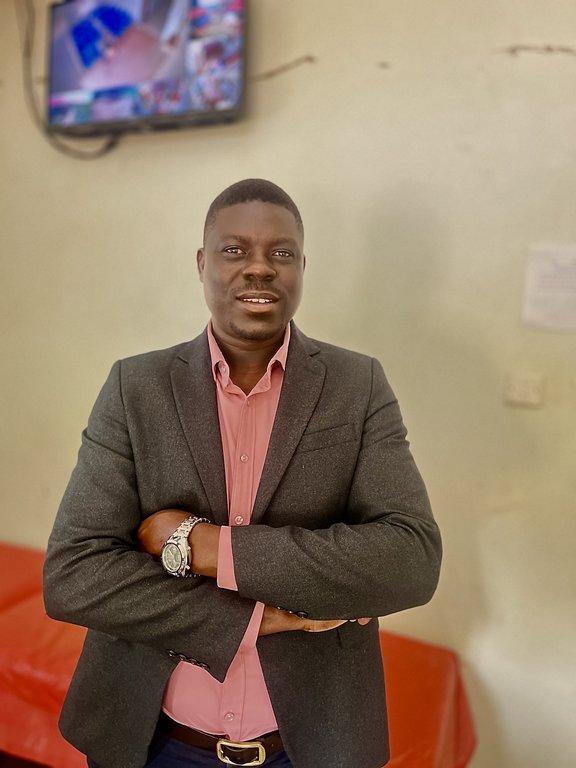
Fracture fixation is a surgical procedure to realign and stabilise broken bones. At Michoes Medical Centre in Kanyum, Kumi District, our Senior Orthopedic Consultant, Michael Emusugut, performs fracture fixation for patients across Eastern Uganda—including Soroti, Bukedea, Ngora, Katakwi, and beyond. We treat fractures from boda boda accidents, falls, farming injuries, sports, and trauma. Open 24/7 for emergency fracture care.
What is Fracture Fixation?
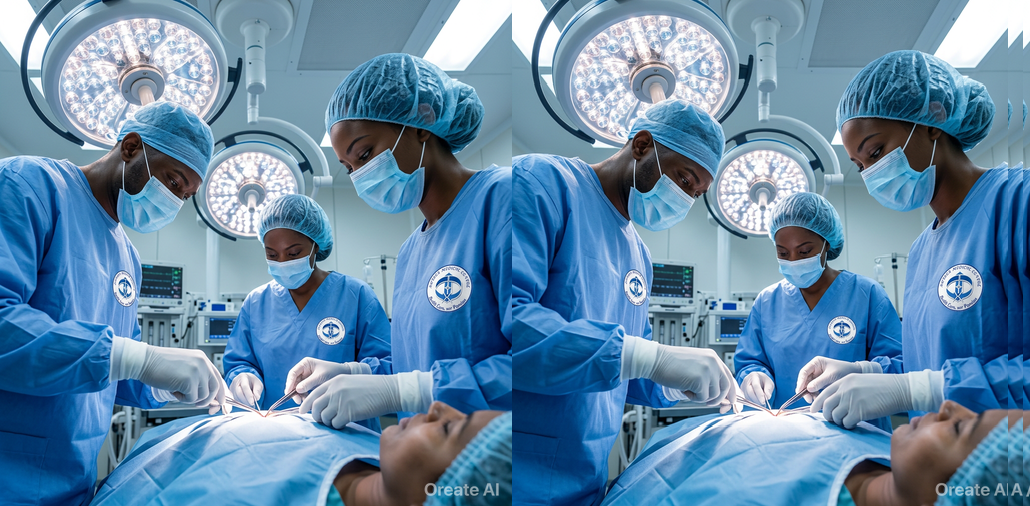
Fracture fixation involves surgically exposing the broken bone, realigning the fragments, and holding them in place with metal implants. This allows the bone to heal in the correct position, restoring function and preventing deformity. Unlike casting alone, fixation provides rigid stability, enabling earlier movement and reducing the risk of non-union (bone not healing).
Types of Fracture Fixation at Michoes
Open Reduction Internal Fixation (ORIF): The surgeon makes an incision, aligns the bone fragments, and attaches metal plates and screws to hold them together. ORIF is used for complex fractures, joint fractures, and fractures that cannot be realigned by closed methods.
Intramedullary Nailing: A metal rod (nail) is inserted into the marrow canal of long bones (femur, tibia, humerus). The nail stabilises the bone from the inside. Locking screws at both ends prevent rotation and shortening. This technique is ideal for femoral and tibial shaft fractures.
External Fixation: Pins or wires are inserted into the bone above and below the fracture, then attached to an external frame outside the skin. External fixation is used for open fractures (bone through skin), severe soft tissue damage, or as temporary stabilisation before definitive surgery.
K-wire Fixation: Thin stainless steel wires (Kirschner wires) are drilled across small bone fragments, often used for hand, wrist, foot, or ankle fractures. The wires may be left protruding through the skin and removed later in clinic.
When is Fracture Fixation Needed?
- Displaced fractures (bone ends not aligned)
- Fractures that extend into a joint (articular fractures)
- Open fractures (bone exposed to the environment)
- Fractures with nerve or blood vessel injury
- Multiple fractures (polytrauma)
- Fractures that fail to heal with casting (non-union)
- Fractures in active adults who need early return to work
- Pathological fractures (due to tumour or osteoporosis)
The Fracture Fixation Procedure at Michoes
- Pre-operative assessment: X-rays, blood tests, medical optimisation.
- Anaesthesia: General or regional (spinal/epidural) depending on fracture location.
- Surgical exposure: Incision through skin and muscle to reach bone.
- Fracture reduction: Aligning bone fragments using instruments and visualisation.
- Implant placement: Plates, screws, nails, or wires to hold reduction.
- Wound closure and dressing.
- Post-operative X-ray to confirm alignment.
Recovery After Fracture Fixation
Hospital stay: 2–7 days depending on fracture complexity. Pain management, wound care, and early mobilisation (as tolerated). Physiotherapy begins within days to prevent stiffness and muscle wasting. Weight-bearing restrictions based on fracture pattern and implant type. Most patients return to normal activities within 3–6 months. Implants are typically left in place unless they cause symptoms (then removed after 12–18 months).
Risks and Complications
- Infection (wound or bone) – prevented with antibiotics and sterile technique
- Non-union (bone fails to heal) – may require bone grafting or revision surgery
- Malunion (healing in wrong position) – may require corrective osteotomy
- Nerve or blood vessel injury – rare with experienced surgeon
- Implant failure (broken screws or plate) – avoid premature weight-bearing
- Blood clots (DVT) – prevention with early mobilisation and compression
Why Choose Michoes for Fracture Fixation in Eastern Uganda?
- Michael Emusugut, Senior Orthopedic Consultant, trained at Makerere and University of Cape Town
- On-site digital X-ray for immediate pre- and post-op imaging
- Laminar flow operating theatre with HEPA filtration (reduced infection risk)
- 24/7 emergency care – we operate at any hour for fractures
- Affordable fees compared to Kampala or Mbale
- Post-operative physiotherapy and rehabilitation on site
Cost of Fracture Fixation at Michoes
Open Reduction Internal Fixation (ORIF) – from Uganda Shillings 450,000 (includes surgery, implants, 5-day stay, medications). Intramedullary Nailing – from 550,000. External Fixation – from 350,000. K-wire Fixation – from 200,000. Prices vary with fracture complexity and implant type. Call +256701364362 for an individualised quote.
FAQ About Fracture Fixation
How soon after a fracture should surgery be done?
Closed fractures: within 24–48 hours. Open fractures: emergency surgery within 6–12 hours to prevent infection.
Will I need a second surgery to remove implants?
Not routinely. Implants are removed only if they cause pain, irritation, or interfere with function. Removal surgery is simpler than the initial fixation.
Can I walk after leg fracture fixation?
Femur and tibia fractures: non-weight-bearing for 6–12 weeks, then gradual progression with crutches. Your surgeon will give specific instructions.
Do you treat children with fractures?
Yes. Dr. Adoa Pious (paediatrician) collaborates with Michael Emusugut for paediatric fractures. Growth plates are protected.
Contact Michoes for Fracture Fixation
Address: Kanyum, Kumi District, Eastern Uganda. Near Kumi Main Market, off Kumi–Soroti Highway.
Phone (24/7 Emergency Orthopaedics): +256701364362
WhatsApp: +256779784473
Call to Action: Have a broken bone? Do not delay. Fracture fixation within 24 hours gives the best results. Call +256701364362 now or come directly to Michoes Medical Centre. We are open 24/7.
Medically reviewed by Michael Emusugut, Senior Orthopedic Consultant, Michoes Medical Centre.