Blood Glucose and HbA1c Testing – Diabetes Diagnosis and Management in Kumi, Soroti & Eastern Uganda
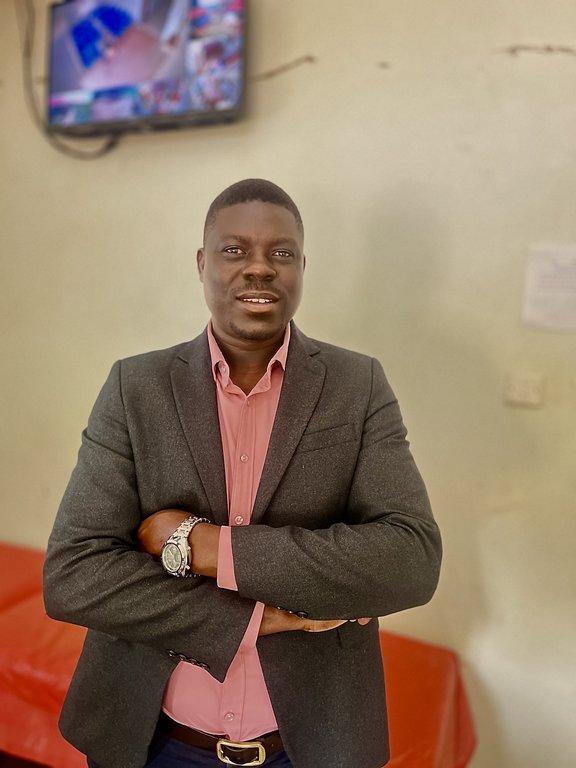
Diabetes is a growing health crisis in Eastern Uganda, affecting thousands of adults in Kumi, Soroti, Bukedea, Ngora, Katakwi, Amuria, Kaberamaido, and Pallisa districts. At Michoes Medical Centre in Kanyum, Okello John Bosco (Senior Laboratory Technician) leads our diabetes testing services. We offer three types of blood glucose tests: Random Blood Glucose (RBG), Fasting Blood Glucose (FBG), and the gold standard HbA1c (glycated hemoglobin). Accurate diabetes testing saves lives by preventing heart attacks, kidney failure, blindness, and amputations. Our laboratory is open 24 hours a day, 7 days a week.
Why Diabetes Testing Is Essential
Diabetes often has no early symptoms. By the time you notice symptoms (frequent urination, excessive thirst, weight loss, blurry vision), your blood sugar may have been dangerously high for years. Untreated diabetes damages blood vessels and nerves, leading to: heart attack, stroke, kidney failure (requiring dialysis), blindness (diabetic retinopathy), foot ulcers and amputations (especially in Kumi and Soroti where many people walk barefoot), erectile dysfunction in men, and pregnancy complications. Dr. Michael Emusugut sees many diabetic patients with foot infections requiring amputation. Dr. Susan Atai sees diabetic pregnancies with large babies and delivery complications. Testing is the first step to prevention.
Random Blood Glucose (RBG) Test
The RBG test measures your blood sugar at any time of day, regardless of when you last ate. How it works: A small drop of blood from a finger prick is placed on a test strip inserted into a glucose meter. Results in 5 seconds. Normal RBG: below 140 mg/dL (7.8 mmol/L). Prediabetes: 140-199 mg/dL (7.8-11.0 mmol/L). Diabetes: 200 mg/dL (11.1 mmol/L) or higher plus symptoms. Advantages: quick, no fasting, can be done any time, low cost, can be done at home with a glucometer. Disadvantages: less accurate than fasting test, can be affected by recent meals, not used for diagnosis (requires confirmation). Dr. Nicholas Iyamitai uses RBG for initial screening and for monitoring diabetes patients throughout the day. We recommend RBG before meals and 2 hours after meals for insulin users.
Fasting Blood Glucose (FBG) Test
The FBG test measures your blood sugar after you have not eaten for at least 8 hours. Preparation: fast overnight (no food or drink except water). Take your morning medications as usual unless instructed otherwise. Come to the laboratory early morning. We draw blood from your vein or finger prick. Results in 5-10 minutes. Normal FBG: below 100 mg/dL (5.6 mmol/L). Prediabetes (impaired fasting glucose): 100-125 mg/dL (5.6-6.9 mmol/L). Diabetes: 126 mg/dL (7.0 mmol/L) or higher on two separate occasions. Advantages: more accurate than RBG, standard for diagnosis, no meal effect. Disadvantages: requires fasting (difficult for some patients, especially if traveling from Bukedea or Ngora), single time point (does not show average control). FBG is the standard test for diagnosing diabetes in non-pregnant adults.
HbA1c (Glycated Hemoglobin) – The Gold Standard
HbA1c measures your average blood sugar over the past 2-3 months. It does not require fasting. How it works: Glucose in your blood sticks to hemoglobin (the protein in red blood cells that carries oxygen). Once stuck, it stays for the life of the red blood cell (about 120 days). The higher your blood sugar, the more glucose sticks. We draw blood from your vein. Results in 1-2 hours. Normal HbA1c: below 5.7%. Prediabetes: 5.7-6.4%. Diabetes: 6.5% or higher. For known diabetics: target HbA1c below 7.0% (for most adults), below 7.5% for older adults, below 6.5% for younger patients (but risk of low blood sugar). Advantages: no fasting (patients love this), not affected by recent meals, reflects long-term control, predicts complication risk. Disadvantages: more expensive than glucose tests, not reliable in patients with anemia, kidney disease, or certain hemoglobin variants (sickle cell trait – common in Eastern Uganda). Okello John Bosco checks for interfering conditions before reporting HbA1c.
When to Test for Diabetes
Dr. Adoa Pious and Dr. Susan Atai recommend screening for diabetes if you are: overweight or obese (BMI over 25), have a parent or sibling with diabetes, have high blood pressure (above 130/80), have high cholesterol, have had gestational diabetes (diabetes during pregnancy), have polycystic ovary syndrome (PCOS), are over age 45 (screen every 3 years), or have symptoms (frequent urination, excessive thirst, blurry vision, slow-healing wounds). For pregnant women, Dr. Susan Atai screens for gestational diabetes at 24-28 weeks using a glucose challenge test (GCT) followed by oral glucose tolerance test (OGTT) if positive.
How to Prepare for Diabetes Testing
For RBG: No preparation. For FBG: Fast for 8-12 hours (no food, no sugary drinks, no tea with sugar – water only). Take your diabetes medications as usual unless your doctor tells you to hold them (holding medications gives a false high result). For HbA1c: No preparation – you can eat normally. Tell us if you have: anemia, sickle cell disease or trait, kidney failure, or recent blood transfusion – these affect HbA1c accuracy.
Understanding Your Diabetes Test Results
Normal: No diabetes. Maintain healthy lifestyle to prevent diabetes. Prediabetes: Your blood sugar is higher than normal but not yet diabetic. This is a warning. You can prevent diabetes with: weight loss (even 5-10% of body weight), exercise (30 minutes of walking daily), diet (reduce sugar, soda, white rice, white bread; eat more greens, beans, fish), and medication (metformin if high risk). Dr. Michael Emusugut recommends repeat testing in 6-12 months. Diabetes diagnosed: We will confirm with a second test (repeat FBG or HbA1c). Treatment starts immediately: lifestyle changes plus metformin (first-line medication). Other medications (glibenclamide, insulin) added if needed. We will teach you to monitor your blood sugar at home with a glucometer.
Monitoring Diabetes – How Often to Test
For type 2 diabetes on oral medications (metformin, glibenclamide): Check FBG at home 2-4 times per week. HbA1c every 3-6 months. For type 1 diabetes or type 2 on insulin: Check blood sugar 4-6 times per day (before meals and at bedtime). HbA1c every 3 months. For gestational diabetes: Check FBG and post-meal sugars daily until delivery. HbA1c not used in pregnancy. At Michoes, we provide affordable glucometers and test strips. We also offer diabetes education classes – ask Dr. Michael Emusugut or Jonathan A. (pharmacist).
Diabetes Testing in Pregnancy (Gestational Diabetes)
Dr. Susan Atai screens all pregnant women for gestational diabetes between 24-28 weeks. The two-step method: Step 1: Glucose challenge test (GCT) – drink 50g glucose solution (very sweet), measure blood sugar after 1 hour. No fasting needed. If result is 140 mg/dL or higher, proceed to Step 2: Oral glucose tolerance test (OGTT) – fast overnight, drink 100g glucose solution, measure blood sugar at fasting, 1 hour, 2 hours, and 3 hours. If any two values are high, gestational diabetes is diagnosed. Treatment includes diet, exercise, and insulin if needed. Untreated gestational diabetes causes large babies, difficult delivery, and future diabetes for mother and child.
Cost and Accessibility at Michoes
RBG: very affordable. FBG: slightly higher. HbA1c: costs more but reflects long-term control – ask about package discounts (HbA1c plus lipid profile). We accept mobile money, cash, and payment plans. For diabetes patients on regular monitoring, we offer loyalty discounts. The laboratory is open 24/7 – walk in anytime for RBG. For FBG, come early morning before eating. For HbA1c, come any time.
Frequently Asked Questions About Diabetes Testing
Do I need to fast for HbA1c?
No. You can eat normally. HbA1c reflects 2-3 month average, not affected by recent meals.
My RBG was high but I ate an hour ago. Do I have diabetes?
Not necessarily. RBG after meals is normally high. We will repeat FBG or HbA1c for diagnosis.
Can I test my blood sugar at home without a glucometer?
No. Urine sugar test strips are unreliable. Buy an affordable glucometer. We can teach you how to use it.
How accurate are home glucometers?
Acceptable for monitoring. Bring your glucometer to Michoes periodically so we can compare with our laboratory glucose meter.
What is a normal blood sugar for a diabetic?
Targets: Before meals 80-130 mg/dL. After meals (2 hours) below 180 mg/dL. HbA1c below 7.0%.
Contact Michoes Medical Centre for Diabetes Testing
Address: Kanyum, Kumi District, near Kumi Main Market on Kumi-Soroti Highway.
Phone: +256701364362
WhatsApp: +256779784473
Hours: RBG available 24/7 (results in 5 seconds). FBG and HbA1c available daily. Same-day results.
Call to Action: Concerned about diabetes? Come to Michoes Medical Centre for blood glucose or HbA1c testing. Walk in anytime. Call +256701364362 to ask about fasting requirements or pricing. Okello John Bosco and our team provide accurate, rapid diabetes testing – because early diagnosis saves limbs and lives.